Julius Meinl warns climate pressure demands long-term coffee investment
Julius Meinl said 100% of the coffee for Vienna and Vicenza now meets its Responsibly Selected standard as climate stress and record prices squeeze the bean trade.

Julius Meinl is treating climate pressure as a sourcing problem, a manufacturing problem and a pricing problem all at once. By the end of 2025, the company said every green coffee lot for its roasting plants in Vienna and Vicenza met its Responsibly Selected Coffee standard, while its supply chain still reached across 16 countries of origin.
The company used its Sustainability Report 2025, promoted in a June 11 release, to argue that coffee’s next era will be shaped less by short-term fixes than by long-term investment. Julius Meinl said climate change, rising commodity prices and growing pressure on global cultivation are already changing what coffee costs, where it can be grown and how reliably it reaches roasters.
That warning landed in a year when the sector’s climate math looked harsher than ever. A June study from the United Nations Industrial Development Organization and TechnoServe said all ten coffee-producing countries it examined face growing exposure to climate stress, with producers in Latin America and Indonesia on the front line of higher heat and less predictable water. Climate Central also said global coffee prices hit record highs in December 2024 and again in February 2025, underscoring the squeeze on companies trying to protect quality while paying more for raw coffee.
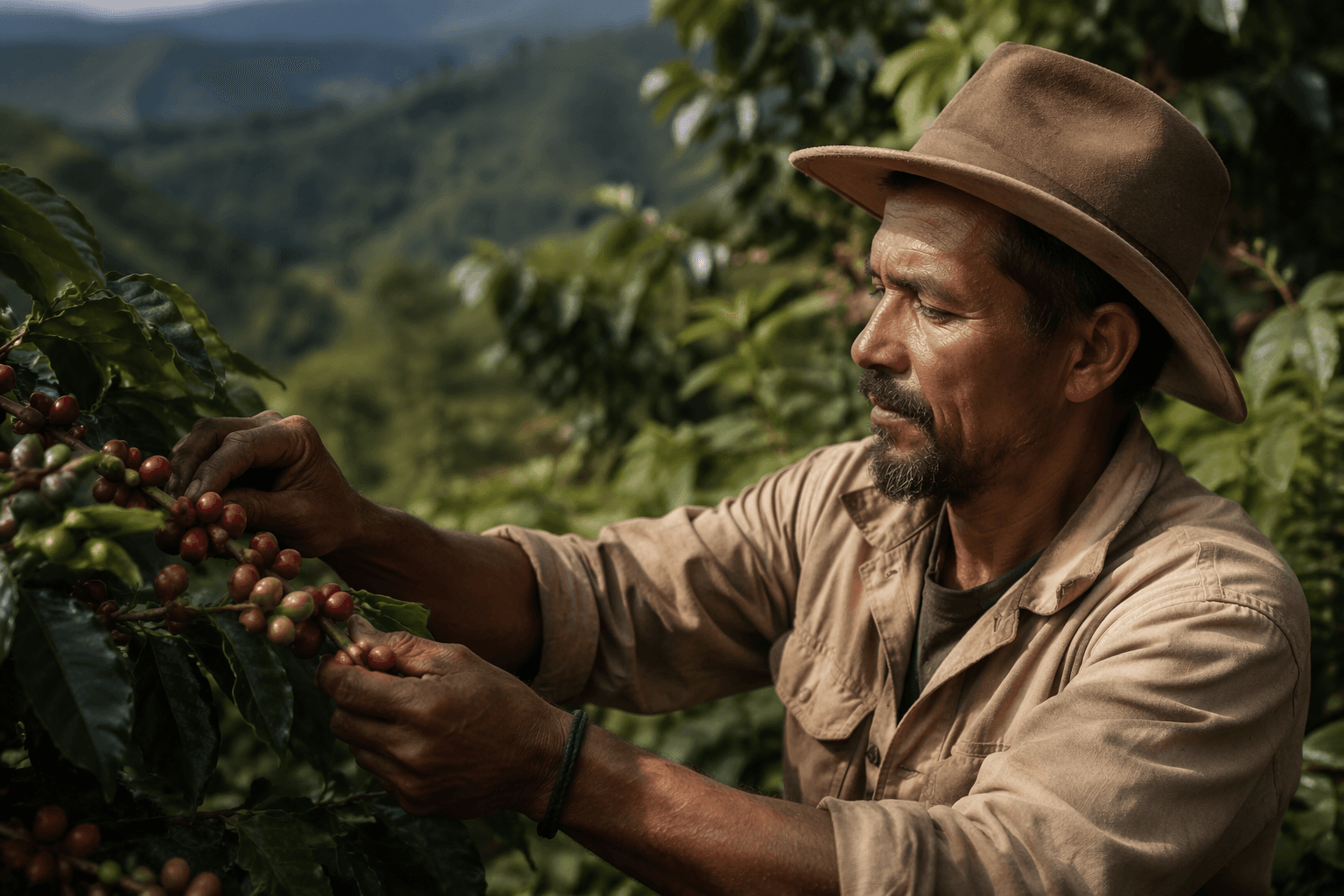
Julius Meinl is answering that pressure through its Generations Programme, which it said has been expanded ahead of schedule from two origin countries to four: Colombia, Uganda, India and Honduras. More than 1,500 farmers and family members are involved in current and planned activities, with the program focused on regenerative agriculture, income diversification and supporting women and younger generations in coffee communities.
The company said its Colombia work began in 2018 with Louis Dreyfus Company under the name Colombian Heritage Project, first centered on agronomist training and coffee dryers to improve yields and income. In 2023, that project moved into a second phase focused on soil health, regenerative practices such as weed management and composting, and reducing reliance on synthetic fertilizers. Julius Meinl said its Uganda program also launched in 2023 with Ugacof, part of Sucafina, and Sawa World, with an emphasis on business training and income diversification.
The sustainability push is not limited to origin. Julius Meinl said emission-reducing technologies installed at its remaining roasters in 2025 cut emissions per roasting batch by up to 50%, showing that carbon and cost pressures are now reshaping both the farm and the factory. The company’s message is simple: if coffee is getting more expensive and harder to grow, premium brands will have to prove they are investing in the supply chain that keeps the cup full.
This article was produced by Prism’s automated news system from verified source data, official records, and press releases, then run through automated quality and moderation checks before publishing. The system is built and supervised by the people who set the standards it runs under. Read our full AI policy.
Know something we missed? Have a correction or additional information?
Submit a Tip