Study finds Arabica coffee cherry ingredient boosts cycling performance
Coffee cherry moved from byproduct to performance ingredient as 12 cyclists riding on Caffinity did 4.6% more work than placebo.
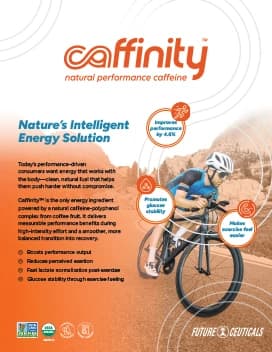
For years, the coffee cherry has lived in the shadow of the bean. Now FutureCeuticals is trying to turn that fruit into the thing athletes reach for first, after a peer-reviewed study linked its Arabica coffee cherry ingredient, Caffinity, to better cycling performance, lower exertion and measurable shifts in metabolism.
The trial, conducted by energy-metabolism experts at the University of Exeter and published June 10, tested 12 trained cyclists, 11 men and one woman, in a double-blind, placebo-controlled, randomized crossover design. Each rider took a 286 mg dose of Caffinity, which delivered 200 mg of caffeine and coffee-fruit polyphenols, with later coverage putting the polyphenol content at 15 mg. The exercise protocol was blunt and familiar to anyone who follows endurance testing: a 30-minute steady-state ride at about 79% of maximal oxygen uptake, then a 15-minute time trial.
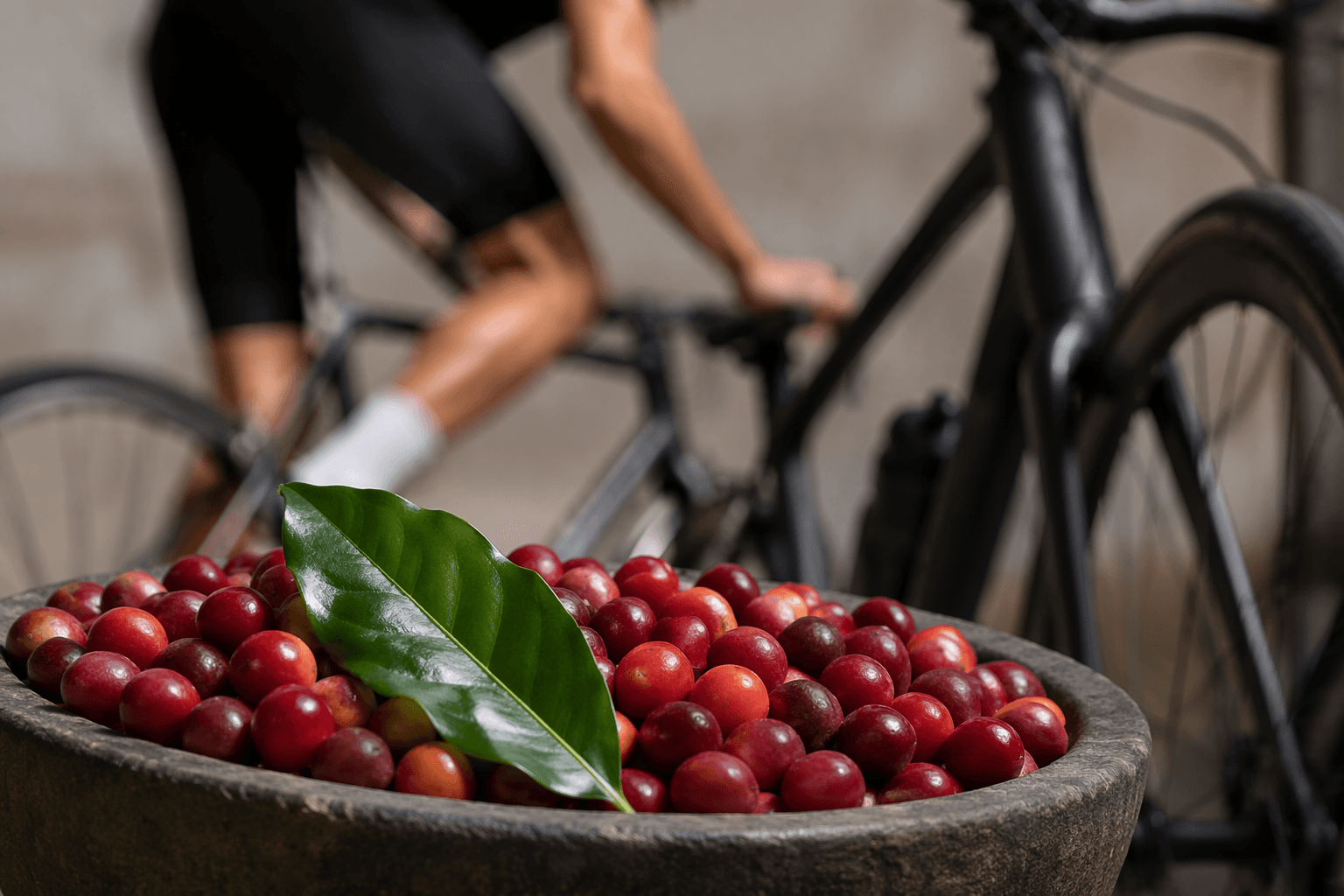
That is where the coffee cherry started to look less like a novelty and more like a credible sports-nutrition ingredient. Cyclists taking Caffinity produced 4.6% more total work in the first time trial than they did on placebo, and their perceived exertion was lower during the steady-state segment before the sprint effort. Blood sampling showed plasma caffeine and chlorogenic acid rose significantly during exercise and recovery, while the researchers also tracked serial blood draws and muscle biopsies at 0, 4 and 24 hours after exercise.
The metabolic picture was more mixed, but still pointed in a useful direction. FutureCeuticals said the ingredient was associated with increased fat mobilization and ketone availability during recovery, better glucose stability and faster lactate clearance, although the study did not improve muscle glycogen resynthesis. That matters because it frames coffee fruit as more than a repackaged caffeine source: the company is positioning it as a functional ingredient built around a natural complex of caffeine and coffee-fruit polyphenols, standardized to 70% natural caffeine and 5% natural polyphenols, and sourced from family farms.
J. Randal Wexler, FutureCeuticals’ general counsel and vice president of research and development, said the findings supported the company’s goal of low-dose, science-backed energy solutions for active consumers, and could help athletes reduce stimulant exposure without giving up results. The company also has a second lane in mind: a 2024 randomized trial at Auburn University found 200 mg of whole coffee cherry extract improved working memory and inhibitory control, suggesting coffee fruit may be building a business beyond the cup and beyond the bean.
This article was produced by Prism’s automated news system from verified source data, official records, and press releases, then run through automated quality and moderation checks before publishing. The system is built and supervised by the people who set the standards it runs under. Read our full AI policy.
Know something we missed? Have a correction or additional information?
Submit a Tip