Kenya coffee output forecast to rise nearly 12% as farms recover
Kenya’s coffee crop is set to rebound to 950,000 bags in 2026/27, but the real test is whether higher prices and policy reform finally stick for farmers.

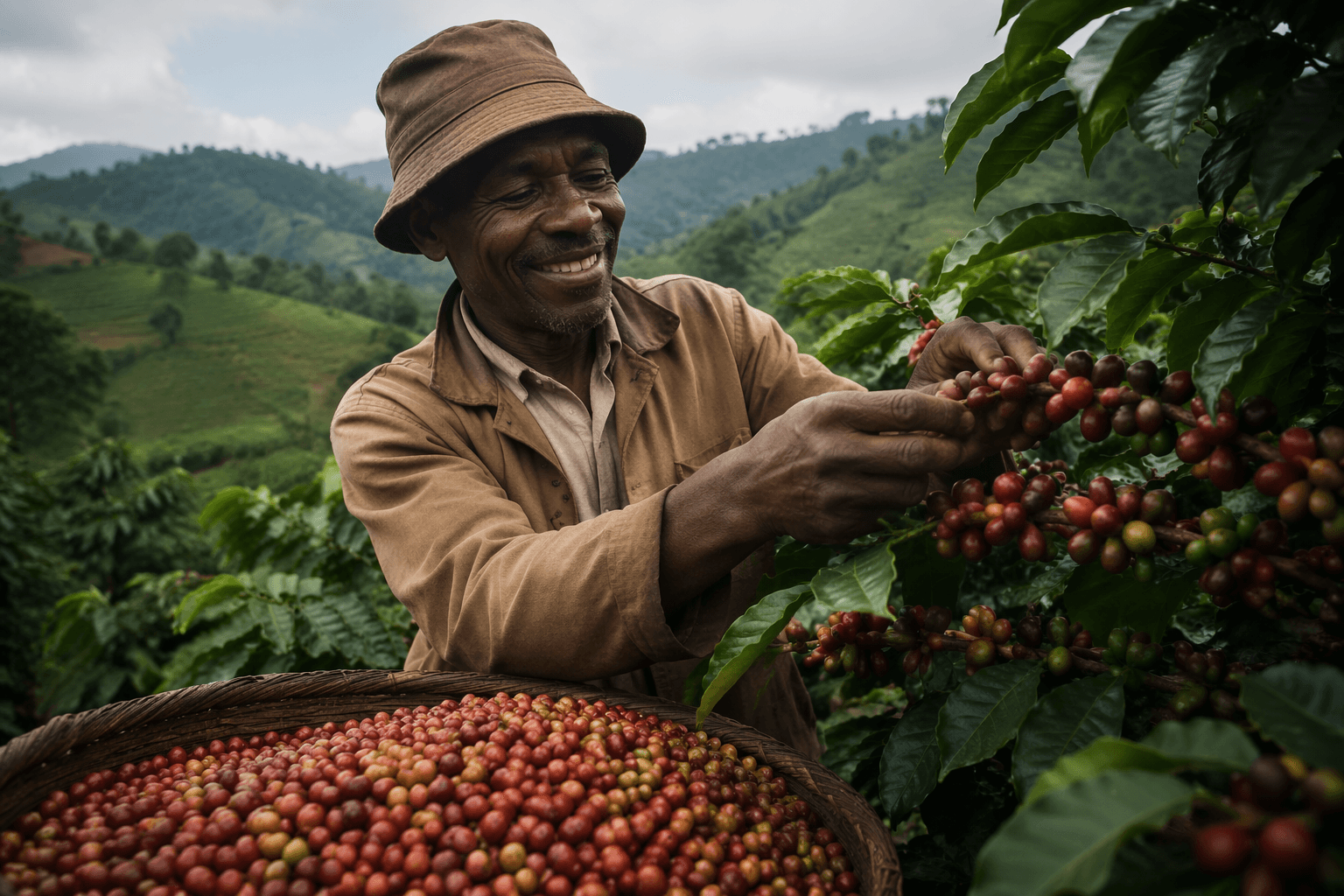
Kenya’s coffee crop is heading for a real rebound, with green coffee production forecast to rise nearly 12% to 950,000 60-kilogram bags in marketing year 2026/27. The jump follows two years of high prices that gave growers reason to put money back into trees, while harvested area is expected to edge up to 106,000 hectares as newer plantings come into bearing.
The recovery matters because it takes output back to the level estimated for 2024/25 after a weaker 2025/26 forecast of 850,000 bags. In the Mount Kenya region, flowering has been strong after a severe drought that ran into March 2026, a sign that the crop has held together better than many feared when the dry spell dragged on through Central Kenya.
Policy is also shifting under the sector. The Coffee Act commenced on 27 March 2026, after President William Ruto signed it into law on 13 March, and it moved regulatory and commercial oversight toward the re-established Coffee Board of Kenya while creating an independent Coffee Research and Training Institute. The law also formalized changes already underway at the Nairobi Coffee Exchange and backed a digital direct settlement system designed to speed payments and improve transparency for farmers.
That reform push has not been smooth. The Kerugoya High Court suspended implementation of the direct settlement system until 20 May 2026 after a challenge over public participation, a reminder that Kenya’s coffee overhaul still has legal and political friction to work through before it can fully reshape the farm gate.

On the ground, the New Kenya Planters’ Cooperative Union is trying to turn policy into trees. Its seedling distribution program is targeting more than 20 million certified seedlings, backed by a revolving fund that supplies seedlings and fertilizers. That kind of intervention is crucial because the USDA Foreign Agricultural Service said demand for planting material has already created a backlog, and the sector needs renewed farm care as much as it needs better rules.
Exports are forecast to rise too, from 840,000 bags in the prior year to 940,000 bags in 2026/27. The United States remains the biggest destination in the latest reported year, ahead of Belgium and Germany, keeping Kenya’s washed coffees firmly on the radar of roasters who want bright, high-acid lots with clean separation.

Still, the rebound has limits. The USDA says domestic coffee consumption is likely to stay flat because purchasing power remains weak and urban coffee culture has been disrupted. That makes the current recovery feel less like a victory lap than a stress test: higher prices, more seedlings and new rules can lift Kenyan coffee, but only if they translate into durable farmer economics and a steadier supply of the lots the market actually wants.
This article was produced by Prism’s automated news system from verified source data, official records, and press releases, then run through automated quality and moderation checks before publishing. The system is built and supervised by the people who set the standards it runs under. Read our full AI policy.
Did this article answer your question?