Löfbergs posts revenue surge, highlights climate gains despite operating loss
Löfbergs lifted revenue 80% to SEK 3.4 billion while an operating loss exposed how even greener sourcing can be strained by internal missteps.
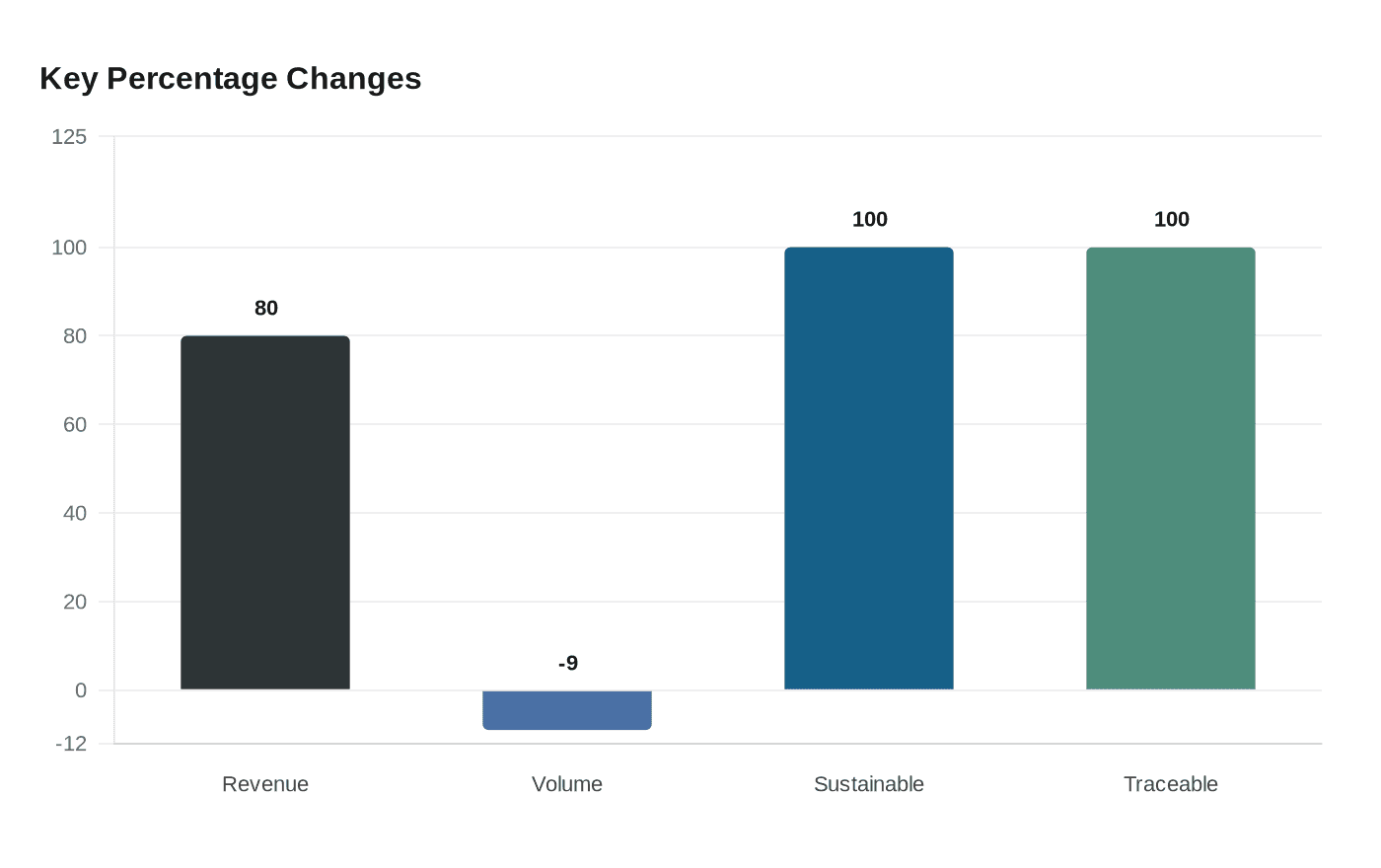
Löfbergs paired a sharp revenue jump with a more uncomfortable signal from the bottom line: the Swedish roaster said its sustainability work kept advancing in 2025, even as an unexpected operating loss and a 9% drop in coffee volume showed how fragile profitability can be when the business gets hit from the inside and the market outside.
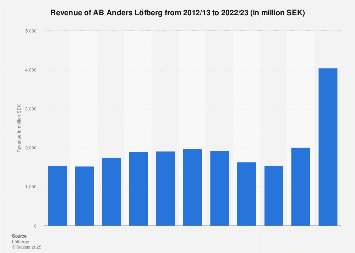
The Karlstad company said revenue rose 80% year over year to SEK 3.4 billion in the year ended December 31, 2025, while roasted volume fell to 26,421 tonnes. Löfbergs said 2025 remained a difficult year for coffee, with extreme weather, uncertain harvests and wider volatility pressuring the supply chain. The company also said an internal mismanagement issue had a substantial effect on profitability, a reminder that good climate metrics do not automatically protect a roaster from operational mistakes.
That tension sits at the center of Löfbergs’ latest sustainability story. The family-owned company, founded in Karlstad in 1906, says it operates in ten core European markets and produces 12 million cups of coffee per day. It also says its range is 100% certified sustainable and that it is one of the world’s largest buyers of organic and Fairtrade-labeled coffee. For a mid-size roaster, that is a capital-intensive identity to maintain when green coffee costs stay high and crop conditions keep shifting.
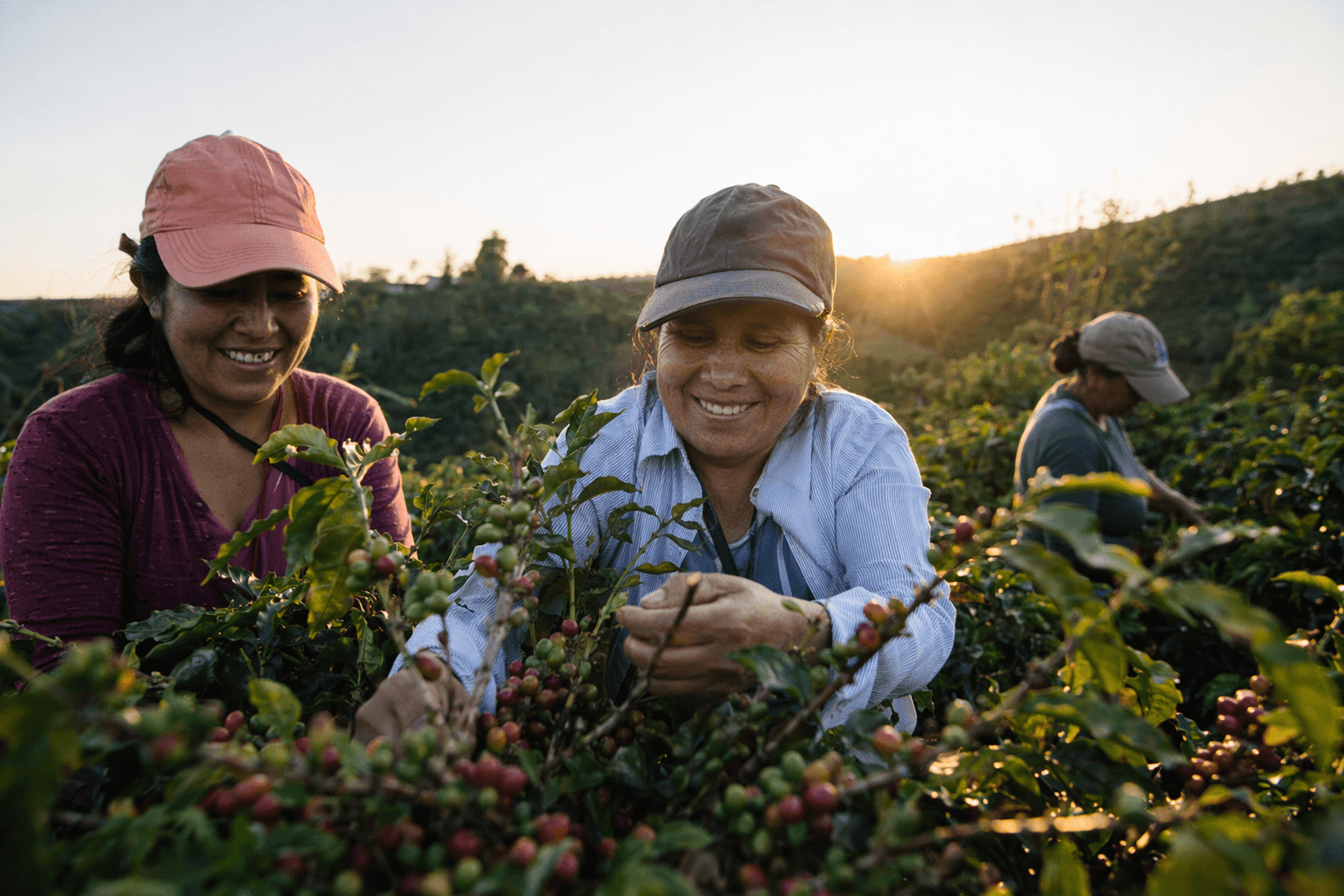
Löfbergs said its climate and sourcing work still moved forward. In its broader sustainability reporting, the company said it supported 112,000 small-scale farmers, paid SEK 45 million in additional premiums to Fairtrade farmers and cooperatives, and helped convert land equivalent to 12,700 football fields to organic production. It also said it continued to reduce climate impact even while increasing coffee production, a claim that matters most where it touches the cup: lower emissions in roasting, cleaner transport and more resilient sourcing at origin.
The packaging and logistics side of the business also featured prominently. In 2024, Löfbergs said it increased the share of monomaterial packaging so more packs could be recycled, and it converted to 100% fossil-free sea transport, cutting carbon dioxide emissions by 1,400 tons. The company said all of its coffee is traceable. In 2025, it said it became one of the first companies in Europe, and the first in Sweden, to buy Regenerative Organic Certified coffee, extending a sustainability strategy that dates back to its claim that it imported Sweden’s first organic coffee in 1995.
CEO Anders Fredriksson framed sustainability as essential both for the planet and for competitiveness, while head of sustainability Kajsa-Lisa Ljudén said the company wants to keep driving development forward. For Löfbergs, the message is clear: greener coffee is still part of the business model. The harder question is whether more roasters can finance that model when margins tighten and one internal failure can swallow the gains.
This article was produced by Prism’s automated news system from verified source data, official records, and press releases, then run through automated quality and moderation checks before publishing. The system is built and supervised by the people who set the standards it runs under. Read our full AI policy.
Did this article answer your question?