Luckin Coffee adds alcoholic specialty drinks in China as growth push
Luckin rolled out two alcohol-spiked coffees across China on May 18, pushing past 0.5% ABV and into the evening-drink fight.

Luckin Coffee has pushed its menu into new territory in China, serving two alcoholic specialty drinks that look less like standard espresso builds and more like cocktail-bar experiments. The launch on May 18 reached cafes across the country, though not every Beijing outlet had the drinks immediately, a sign of how quickly Luckin is testing whether alcohol can pull in new traffic and higher-margin orders.
Each drink contains 15 milliliters of gin or whiskey and clears China’s 0.5% alcohol-by-volume threshold, which makes them legally alcoholic beverages. That puts the drinks behind a different counter than Luckin’s usual cup-and-go business: they are restricted to in-store pickup and cannot be sold to minors. The new drinks, translated as Scarlet Moonlight and Cocoa Vienna, have also set off online debate in China about whether customers could work or drive after drinking them, a reaction that underscores how unusual alcohol still feels inside a mainstream coffee chain.
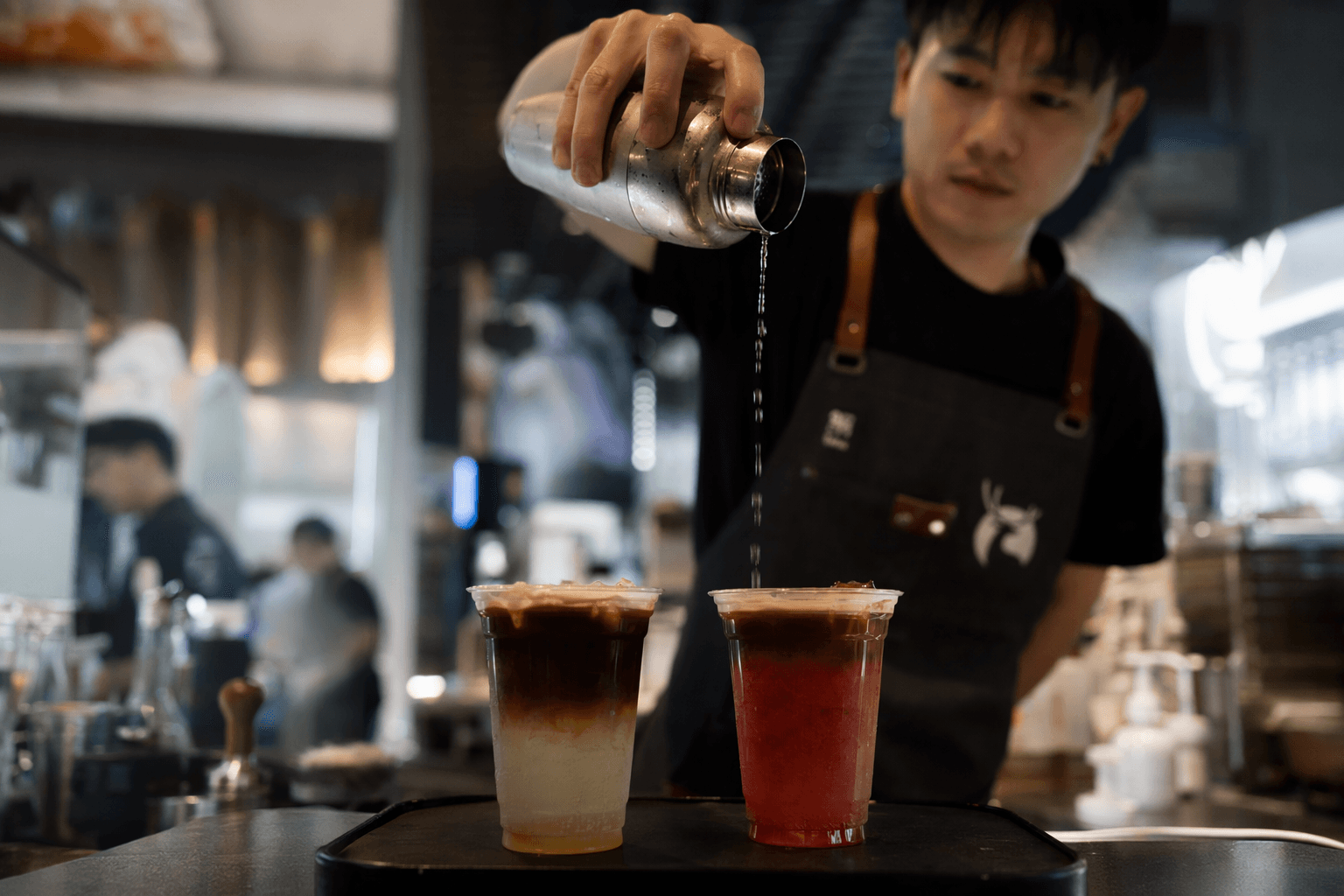
The move is not Luckin’s first encounter with liquor. In 2023, the chain sold a co-branded Moutai latte with Kweichow Moutai, but that drink stayed below the legal alcohol threshold and was not classified as alcoholic. This time, the company has crossed into a more direct beverage niche, one already familiar to operators that are trying to keep cafés relevant after the afternoon rush. The drinks are said to be more complex to prepare than regular coffee, closer to cocktail mixing than espresso pulling, which makes them as much a workflow test as a menu update.
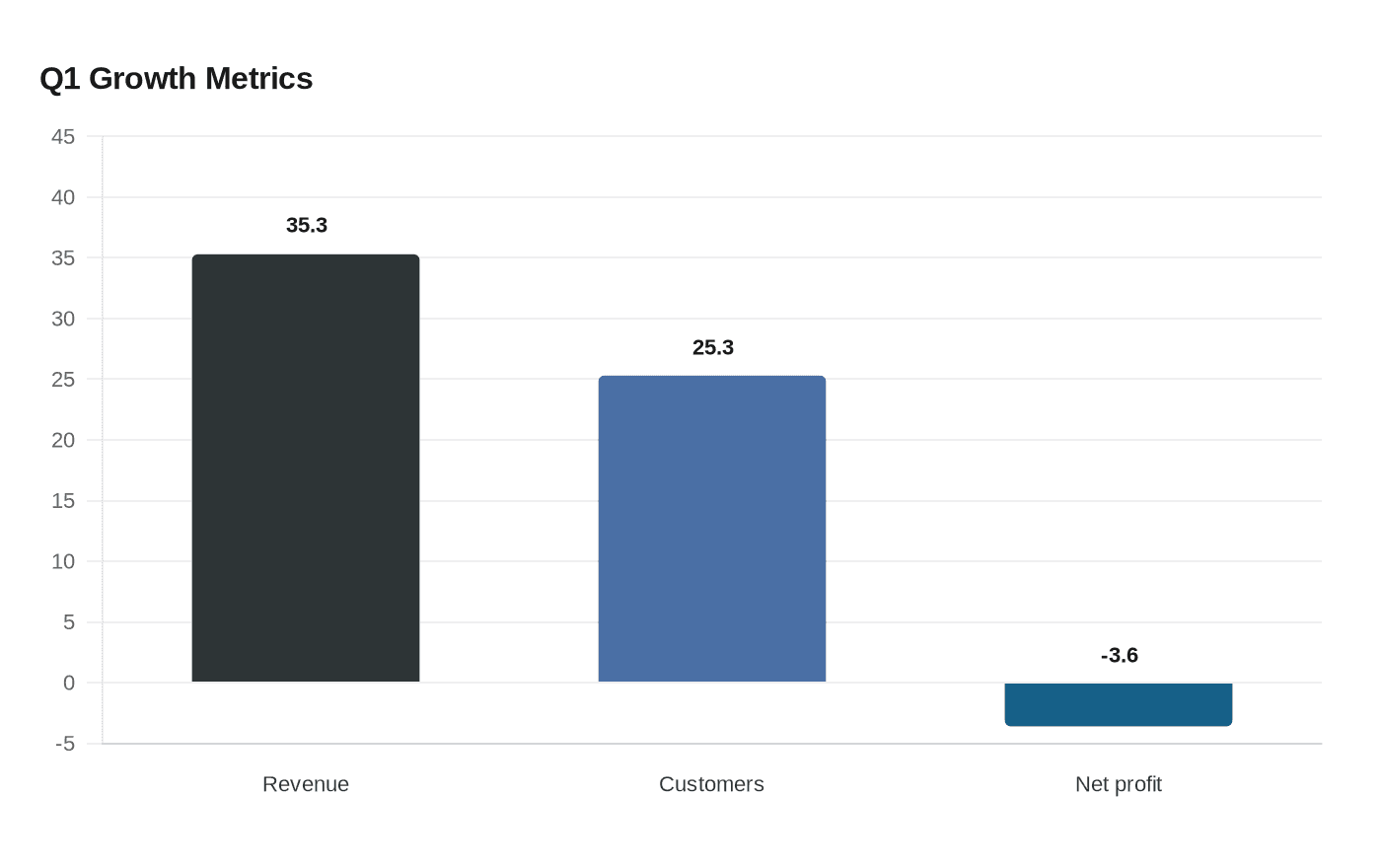
The push lands as Luckin keeps expanding at scale. The company reported first-quarter 2026 net revenue of RMB 11,995.5 million, up 35.3% from a year earlier, while average monthly transacting customers rose 25.3% to 93.1 million. It ended March 31 with 33,596 stores after adding 2,548 net new openings in the quarter. Even so, Yicai said Luckin’s net profit fell 3.6% in the first quarter, a reminder that aggressive growth and crowded price competition can squeeze margins even when sales keep climbing.
That pressure helps explain why a coffee chain with Luckin’s reach is willing to stretch the menu so far. Alcoholic specialty drinks can create buzz, invite experimentation, and turn cafes into a later-day destination instead of a morning-only stop. If the drinks stick, Luckin may have found a way to make the evening counter as important as the espresso line, and that is where the real growth fight now seems to be moving.
Know something we missed? Have a correction or additional information?
Submit a Tip