Paraxanthine emerges as a possible caffeine alternative in coffee drinks
Paraxanthine is moving from caffeine metabolite to beverage ingredient, but the real question is whether it feels smoother or just sounds smarter.
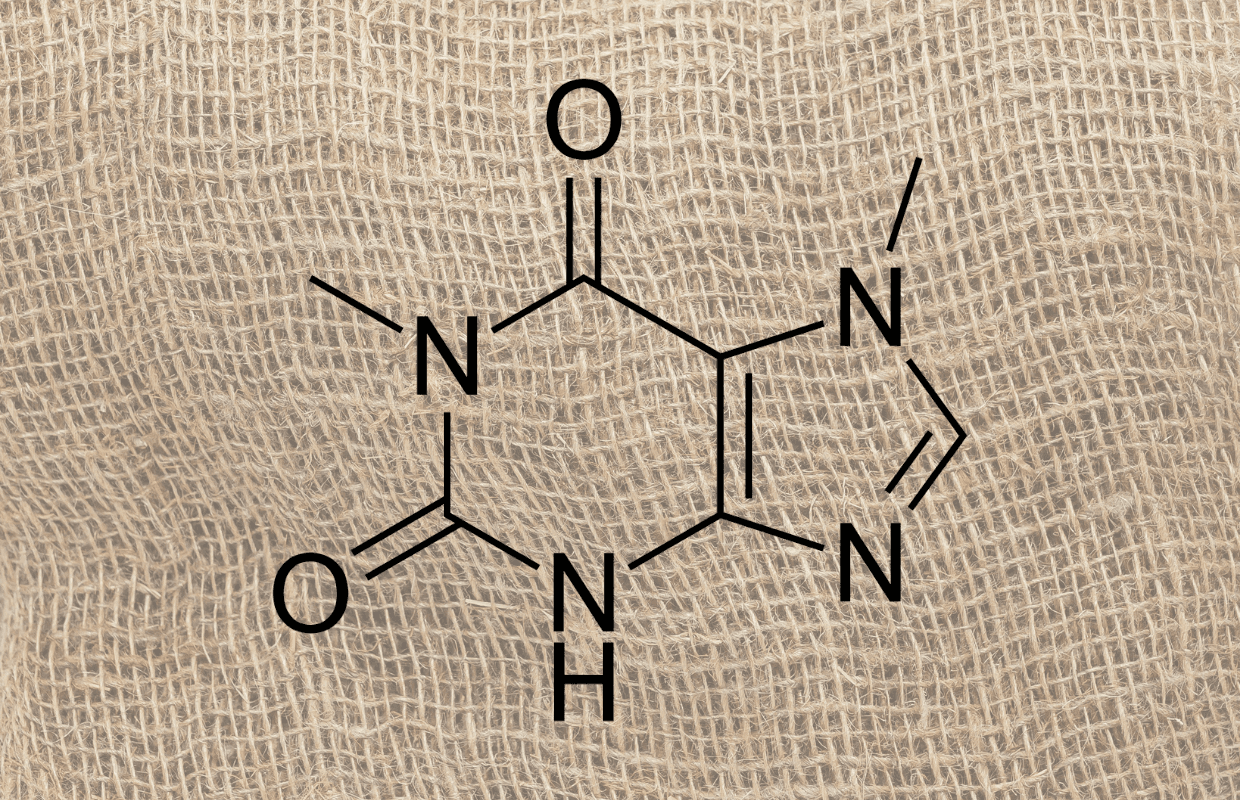
Coffee’s newest stimulant pitch is not about a darker roast or a fancier can. It is about paraxanthine, the main compound your body makes when it processes caffeine, now being sold directly as a possible way to deliver alertness with fewer jitters, less of a crash, and a cleaner-feeling lift.
What paraxanthine is, and why coffee brands care
Paraxanthine is already familiar to biochemists, because it is the primary metabolite of caffeine. One branded ingredient, enfinity, says roughly 80% of consumed caffeine is converted into paraxanthine in the body, which gives marketers an easy story to tell: if your system already makes this compound, why not start there? That logic is now showing up in coffee-adjacent drinks, where paraxanthine is being positioned less as a flavor move and more as a functional upgrade.
That distinction matters. Paraxanthine does not change the cup the way origin, roast level, or milk composition do. It changes the stimulant profile, which is exactly why some coffee companies are experimenting with it alongside the supplement and energy-drink brands already using the ingredient. This is part of a broader move toward functional beverages that promise sharper focus, sustained energy, and performance benefits instead of just a caffeine hit.
The commercial side is already real. enfinity energy, LLC has been pushing the ingredient under the enfinity name, and TSI Group became the exclusive global distributor in September 2023. By May 2026, the brand was listing products across energy drinks, pre-workouts, nootropic products, and capsules, which shows this is no longer just a niche lab curiosity.
Why brands think it can outperform caffeine
The sales pitch is straightforward: direct paraxanthine use could give people the alertness they want from coffee while avoiding the side effects they often blame on caffeine, especially jitters and the afternoon crash. That makes it easy to market in the language beverage buyers already understand, with phrases like focused energy and clean energy doing a lot of work.
There is a reason the pitch lands. Coffee drinkers know the gap between the lift they want and the side effects they tolerate. If paraxanthine really does feel smoother, the ingredient could become a way for brands to make a product seem more modern without changing the basic beverage format. But that is still a claim about feel, not a guarantee about physiology.
The strongest version of the argument is not that paraxanthine is magical, but that it may be a more direct route to one of caffeine’s useful effects. The weaker version is the one marketers would love most: same buzz, fewer downsides, no compromise. That is the claim worth scrutinizing, because it sits right at the point where science turns into packaging copy.
What the evidence actually supports
The good news for paraxanthine is that this is not pure hype. A randomized human study found that acute paraxanthine ingestion improved cognition, executive function, and psychomotor vigilance in healthy volunteers. That gives brands a real human data point to cite, not just a metabolic theory.
A more recent trial pushed the story further. After a 10-kilometer run, paraxanthine improved cognitive function more than caffeine, and the authors reported no evidence of worse side effects or adverse clinical blood markers in that study. For a company trying to sell a better stimulant, that kind of result is gold. It suggests paraxanthine may have a practical advantage in at least one context where mental fatigue and physical exertion overlap.
Still, the evidence base is thin. A 2023 review warned that the toxicity literature is limited and that paraxanthine still needs much more thorough safety characterization before it is widely used in foods and beverages. That is the part most marketing glosses over. The early human data looks promising, but the kind of large, independent, long-term replication that caffeine has accumulated over decades is not there yet.
There is also unfinished business around dose. ClinicalTrials.gov lists an active crossover trial comparing 200 mg and 300 mg paraxanthine with placebo for energy and focus outcomes. That tells you researchers are still sorting out basic questions about dose-response, which is exactly the sort of detail that matters if you are trying to build a repeatable beverage category instead of a one-off stunt.
How to judge a paraxanthine coffee product before buying
If you are looking at a paraxanthine coffee drink, the first question is simple: are you buying it for flavor or function? If it is the former, paraxanthine should not matter much. Roast quality, bean choice, sweetness, acidity, and texture still decide whether the drink is worth finishing. If it is the latter, you want to know exactly what the product is promising and whether that promise is actually backed by the ingredient list.
A few practical checks are worth keeping in mind:
- Look for the paraxanthine dose, not just the name on the front label.
- Check whether caffeine is also in the formula, because some products may blend stimulants.
- Treat claims about smoother energy as a testable experience, not a guarantee.
- Be skeptical of language that sounds scientific but never explains the actual functional difference.
The Informed Ingredient certification that enfinity received in July 2024 also matters as a market signal. It suggests the ingredient is moving into the kind of screening and reassurance framework that sports nutrition and performance buyers already recognize. That does not settle the science, but it does show the category is being built for real shelves, not just speculative slides.
Paraxanthine’s appeal is easy to understand: keep the alertness, lose some of the baggage. That is a seductive promise in coffee right now, especially if you are tired of drinks that feel either too blunt or too jittery. But until the evidence gets deeper, the smartest way to read a paraxanthine label is as a stimulant experiment with commercial momentum, not a settled upgrade to coffee itself.
Know something we missed? Have a correction or additional information?
Submit a Tip