Middle East conflict drives coffee production costs higher worldwide
Coffee prices climbed as the Middle East conflict hit energy and fertilizer markets, lifting the ICO benchmark to 273.70 cents a pound. The bigger squeeze may land on the 2026/27 crop.
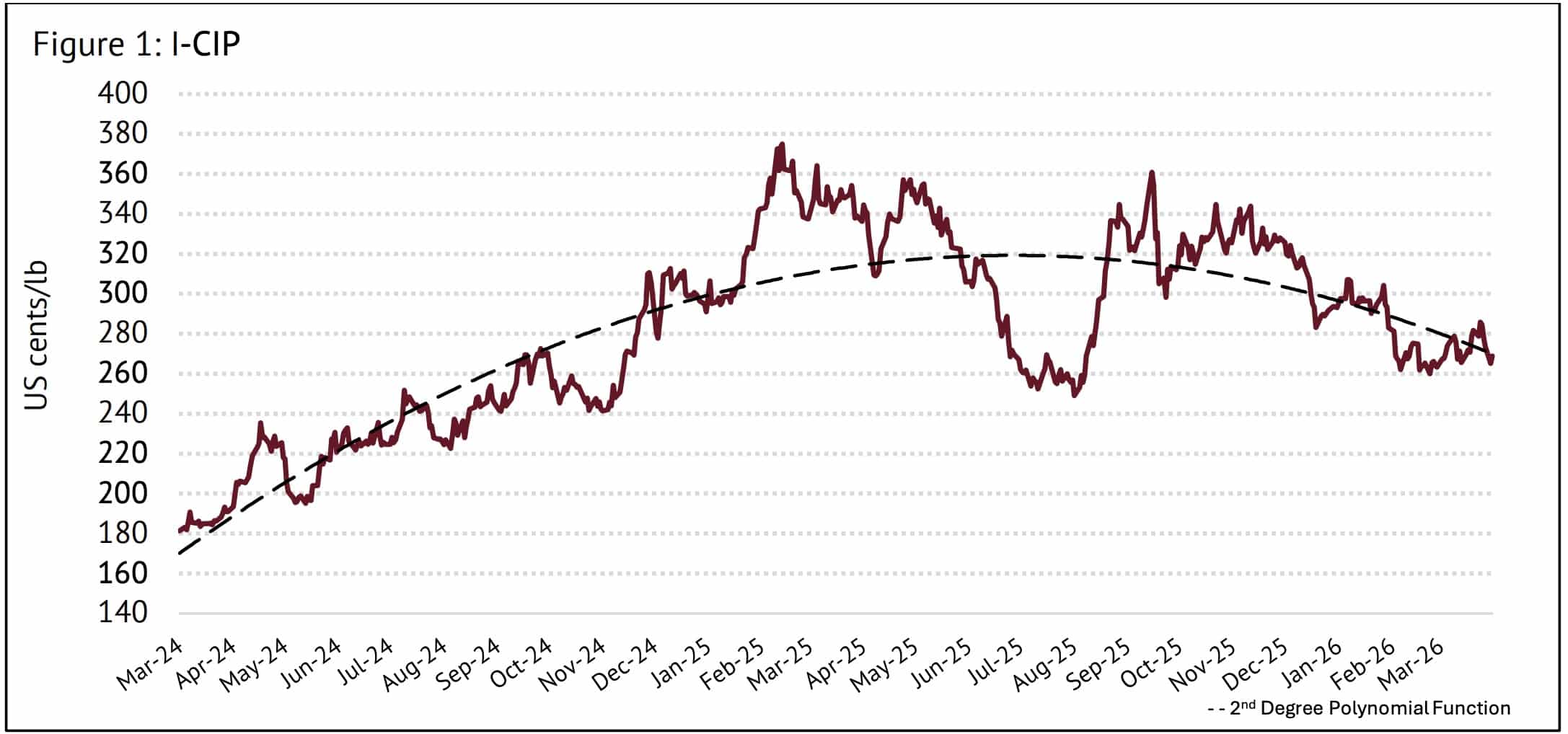
A squeeze in energy and fertilizer markets is working its way into coffee, raising the odds that the next bag of beans, café menu boards and home-brewing budgets all move higher. The International Coffee Organization said its Composite Indicator Price averaged 273.70 US cents per pound in March 2026, up 2.3% from February, after the Strait of Hormuz closed on March 4 and pushed fuel and freight costs sharply higher.
That March move came while the market was pulling in two directions at once. The ICO said supply prospects improved globally, but the disruption around the Strait of Hormuz kept pressure on the board, and a contemporaneous measure showed daily volatility in the composite indicator price held at 9.8% for the month. For coffee buyers, that kind of swing does not stay at the futures screen for long. It reaches green-coffee contracts, roaster margins and, eventually, what shows up on the shelf or in a cup.
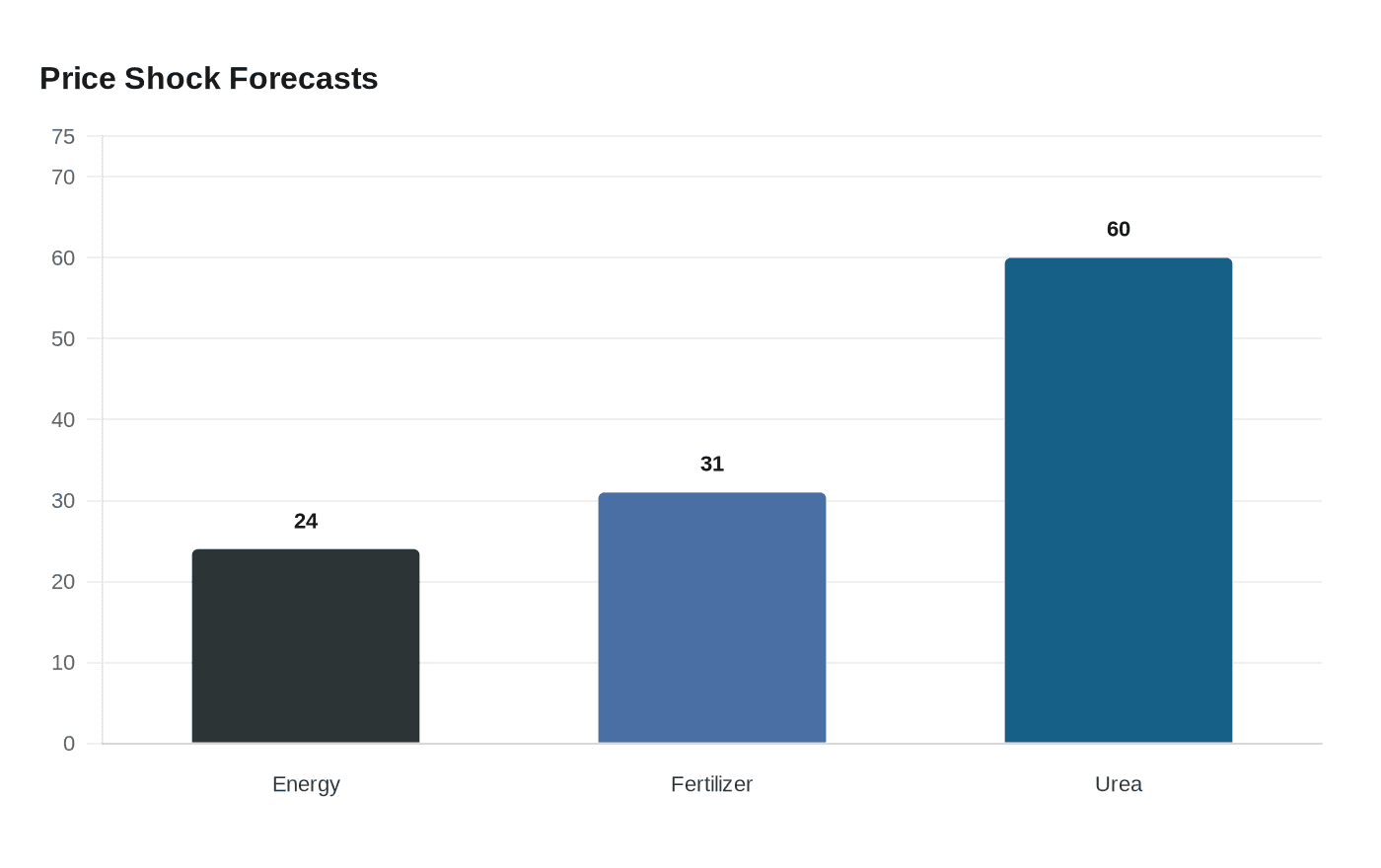
The World Bank has framed the wider shock in blunt terms, calling the Middle East war a historic hit to commodity markets and saying it caused the largest oil supply loss on record. In its April 2026 Commodity Markets Outlook, the bank projected energy prices would rise 24% in 2026, leaving them about 25% higher than expected in January. Brent crude was forecast to average $86 a barrel, up $26 from the bank’s earlier view. Fertilizer markets were set to move even faster, with prices projected to rise 31% this year, led by a 60% jump in urea. The bank also said fertilizer affordability would fall to its worst level since 2022.
For coffee producers, the timing matters as much as the price. The 2025/26 crop is less exposed because fertilizer has already been applied in many places, but the real risk is the 2026/27 crop if the disruption lasts. Fertilizer is not a luxury input in coffee; it is part of the routine that keeps yields steady and quality consistent. If growers cannot afford it, they may cut back, and that can mean weaker harvests, lower quality or both. Roasters and traders eventually feel that pressure through higher green-coffee costs and more unstable origin supply, while smallholder farmers face the hardest squeeze of all as energy, shipping and agricultural inputs keep moving together.
This article was produced by Prism’s automated news system from verified source data, official records, and press releases, then run through automated quality and moderation checks before publishing. The system is built and supervised by the people who set the standards it runs under. Read our full AI policy.
Did this article answer your question?