Mission Coffees of Nagaland aims to boost Arabica, Robusta exports
Nagaland’s coffee push now has pilot clusters, a 175 crore mission, and QR-backed traceability aimed at premium export shelves.

Nagaland’s coffee growers are being asked to do more than sell green beans. The new Mission Coffees of Nagaland pairs Arabica at Tuophema in Kohima district with Robusta at Ghotovi in Niuland district, and it is designed to push both into a traceable, premium export channel rather than leave them as raw farm output.
Union Minister Jyotiraditya M. Scindia launched the mission virtually on May 18, 2026, alongside Dr. Neiphiu Rio, T. R. Zeliang, Sukanta Majumdar, G. Ikuto Zhimomi and Sanjay Jaju. The wider Coffees of Nagaland mission carries a 175 crore outlay, while the cluster-based coffee value chain project is pegged at 49.48 crore.
The plan goes well beyond planting more trees. It includes hi-tech nurseries, expansion across 400 hectares, washing stations, roasting and grinding units, a coffee quality control lab, internal roads, drip irrigation, and blockchain-based traceability with QR-code authentication. For coffee buyers, that combination matters: it is the difference between a regional crop moving through a loose market and a lot that can be tracked, processed and presented as a single-origin coffee with a clearer quality story.
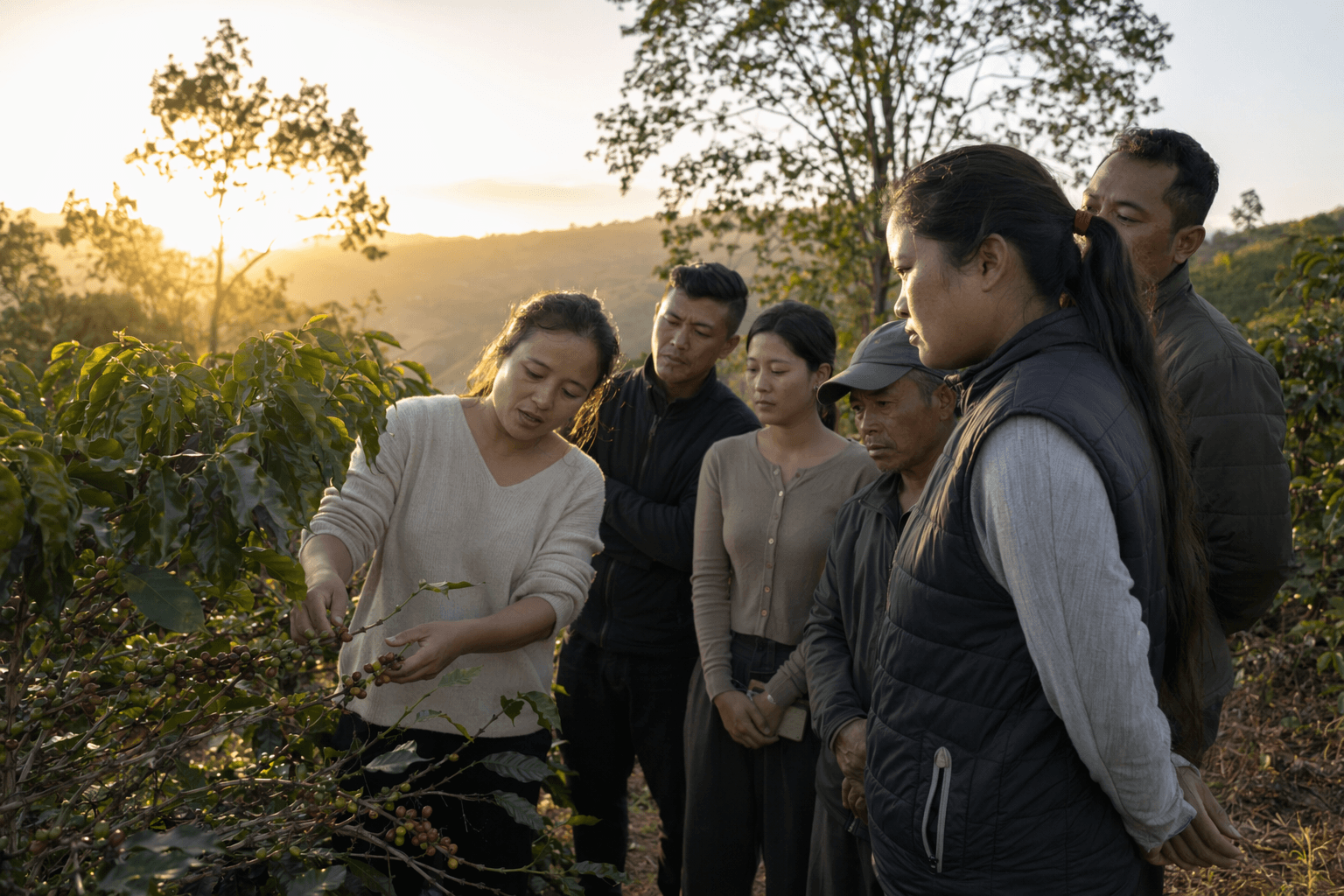
Scindia said the mission was meant to transform Nagaland from a raw coffee-producing region into a premium, traceable coffee economy under the branding of Coffees of Nagaland - Taste of Eminence and Brand North East - Coffees of Nagaland. He tied the effort to Viksit Bharat 2047 and Atmanirbhar Bharat, and said the real test would be premium shelf space in domestic and international markets, along with more sustainable incomes for growers.
Rio pointed to a sharp rise in production, from 21 metric tonnes in 2021-22 to nearly 73 metric tonnes in 2024-25, and said the state aims to reach 50,000 hectares of coffee cultivation by 2047. He also framed the crop as a way to create livelihoods for youth and entrepreneurs, reduce dependence on jhum cultivation, and protect fragile hill ecology through sustainable agroforestry.
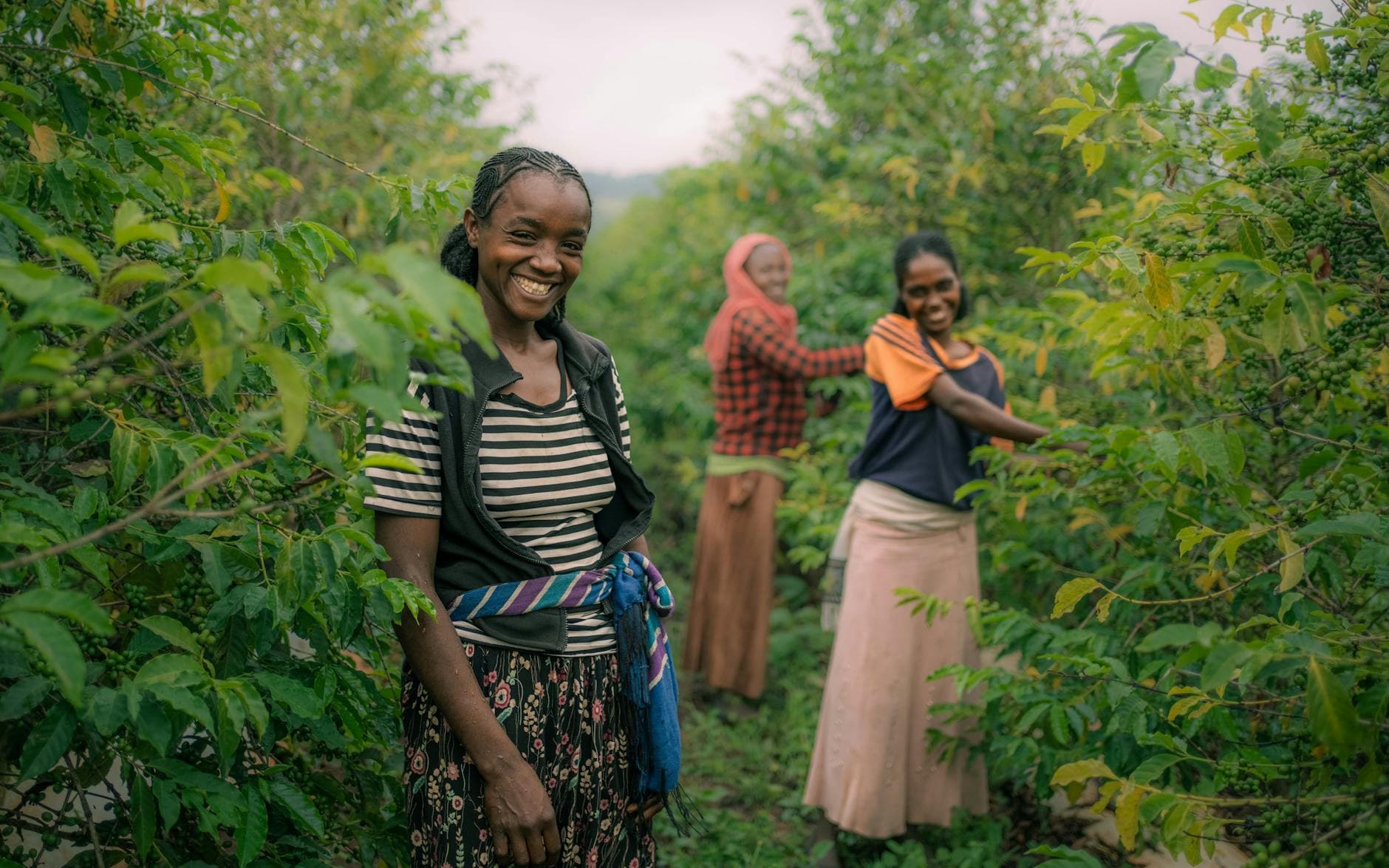
The launch also brought farmer and entrepreneur voices into the frame, with Khevito Sumi and Catherine Zhimomi representing Ghotovi coffee growers and Vivito Yeptho of Nagaland Coffee speaking for local businesses. With coffee tourism, farm stays, farm-to-cup experiences and trade-fair participation built into the plan, Nagaland is no longer being pitched only as a development project. It is being set up as a coffee origin that roasters and drinkers may soon start watching for the cup itself.
Know something we missed? Have a correction or additional information?
Submit a Tip