Study finds coffee boosts cognition, not stress or anxiety
Coffee’s brain effects may run through the gut: a 31-versus-31 trial found microbiome shifts, lower stress scores, and better memory with decaf.
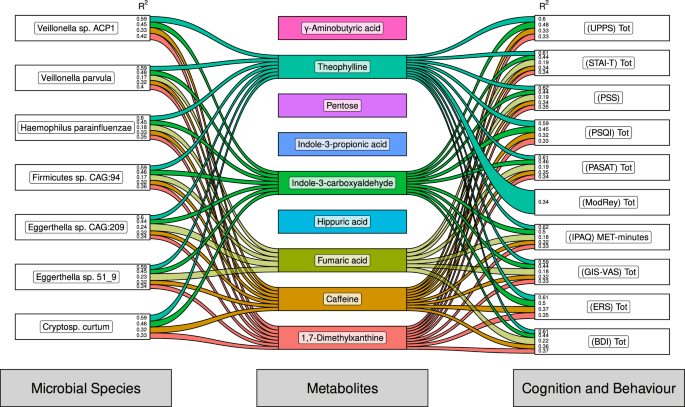
Coffee may help cognition through the microbiota-gut-brain axis rather than simply sending stress and anxiety up the ladder. In a new study in Nature Communications, researchers at APC Microbiome Ireland at University College Cork reported that coffee drinkers and non-drinkers showed different microbiome and metabolite patterns, with mood and memory changes that were not driven by caffeine alone.
The trial, sponsored by the Institute for Scientific Information on Coffee, followed 31 regular coffee drinkers and 31 non-coffee drinkers. Coffee drinkers were defined as people who usually consumed 3 to 5 cups a day, a range the European Food Safety Authority considers moderate and safe for most people. The participants first completed two weeks without coffee, then coffee was brought back in a blinded design using both caffeinated and decaffeinated versions. The team measured stool and urine samples, psychological scores, caffeine and food diaries, and performance on memory and cognitive tests.
The microbiome signal was the clearest part of the story. Coffee drinkers showed a significant shift in fecal microbiome composition, including a higher relative abundance of Cryptobacterium and Eggerthella species. Some metabolite changes disappeared during abstinence and returned when coffee came back, even when the coffee was decaffeinated. The study also tracked inflammation-related markers, short-chain fatty acids, and other metabolites tied to gut-brain signaling, and identified nine key metabolites linked to microbial species and cognitive measures.
The behavior data were more complicated, which is exactly why this study matters to coffee people who have heard the old “coffee just makes you anxious” line for years. Coffee drinkers showed greater impulsivity and emotional reactivity, while non-coffee drinkers did better on memory tasks in some comparisons. But both caffeinated and decaffeinated coffee were associated with lower perceived stress, depression, and impulsivity scores, and the strongest learning-and-memory improvement showed up in the decaffeinated group. That points to coffee compounds other than caffeine, including polyphenols, as possible drivers of the effect.

John F. Cryan and colleagues, including Serena Boscaini, Gerard M. Moloney, Thomaz F. S. Bastiaanssen, Caitríona M. Long-Smith, and Carina Carbia, have given the coffee conversation a more useful frame than caffeine-versus-decaf shorthand. The registered trial, NCT05927038, does not turn every cup into a prescription, but it does make one thing harder to dismiss: coffee’s cognitive edge may be coming from the gut as much as from the jolt.
Know something we missed? Have a correction or additional information?
Submit a Tip