Nestle signals coffee prices could fall as bean costs ease
Nestle said cheaper green coffee could reach shelves, but only after contracts and inventories clear a roughly nine-month lag.
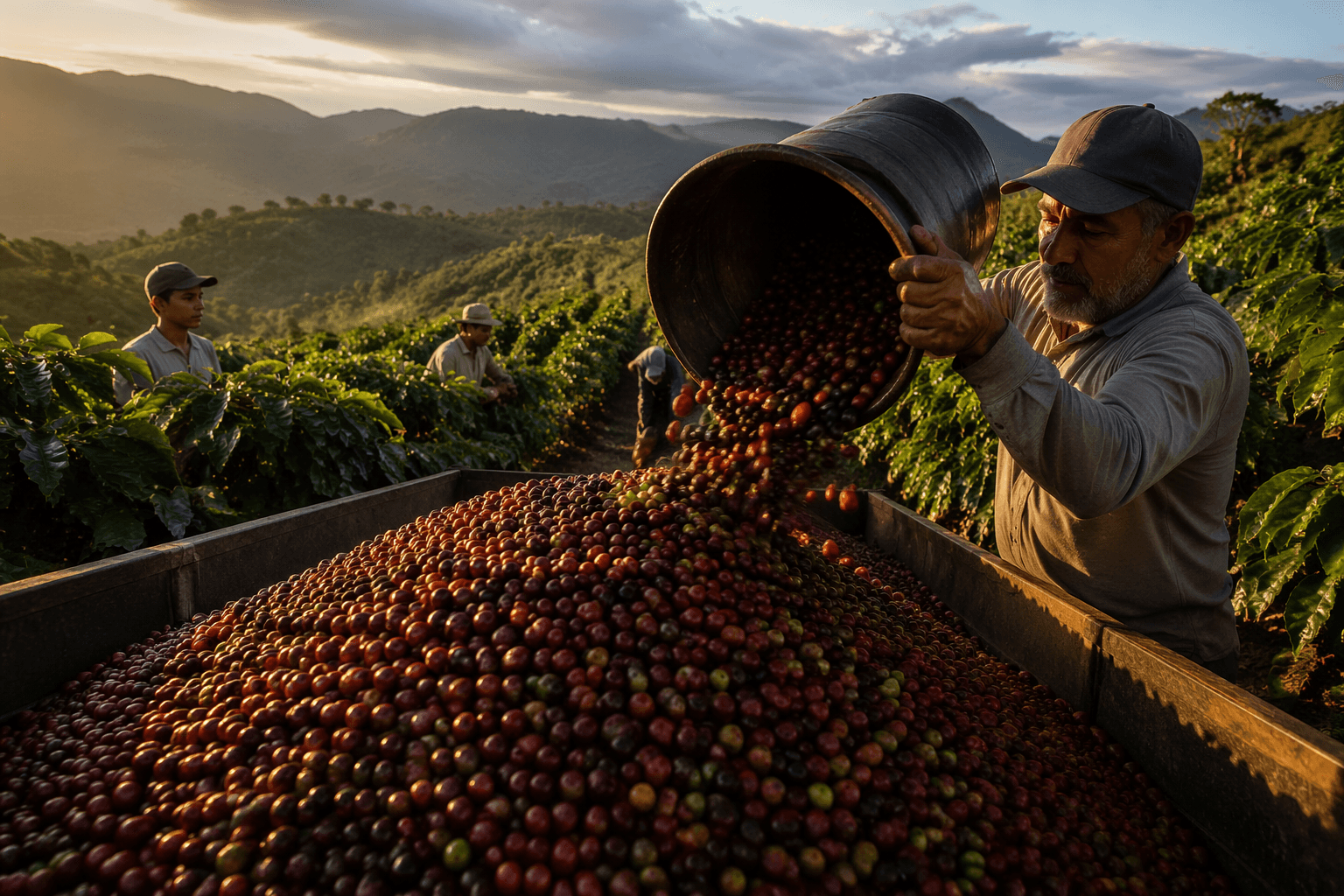
Nestle said in Vevey, Switzerland, that falling coffee bean costs could eventually feed through to lower retail prices, but only after market conditions, inventories and the company’s own purchasing costs line up. Axel Touzet, who heads Nestle’s coffee brands strategic business unit, said the company would take lower green-bean costs into account when setting prices, but would adjust by market rather than cut everywhere at once.
That matters because Nestle is not a small signal in the coffee aisle. It is the world’s largest coffee company, with brands including Nescafe and Nespresso, plus Starbucks-branded products in its portfolio. In its 2025 full-year results, Nestle said coffee and petcare were its two powerhouse global businesses, reported sales of CHF 89.49 billion and said pricing contributed 2.8% to the year’s sales mix.
The backdrop has been brutal for buyers. The Food and Agriculture Organization said world coffee prices rose 38.8% in 2024 from the prior year’s average, driven mainly by adverse weather in key producing countries. The International Coffee Organization said its February 2025 market report showed the ICO Composite Indicator Price at the highest monthly level on record. Even with bean costs easing this year, that history helps explain why shelf prices have stayed sticky.
The missing piece is time. Industry experts estimate it takes at least nine months for raw bean price changes to show up in consumer coffee, because roasters work through inventory, then renegotiate contracts, then reset pricing. That delay is why a drop in green coffee does not instantly translate into cheaper supermarket tins, pod packs or cafe menus. A roaster can buy beans at a lower spot price today and still spend months selling coffee made from more expensive stock bought earlier.
Touzet’s comments pointed to that same slow handoff. He said Nestle would factor in falling bean costs, but pricing would depend on the market, inventory levels and what the company paid for coffee in the first place. That means a U.S. shelf, a European grocery aisle and a cafe menu can all move on different clocks, even if the commodity market is already turning.
For coffee buyers, the message is straightforward: relief may be coming, but it will arrive through contracts, warehouses and pricing desks first. By the time the lower green-bean market shows up on a receipt, the lag will have already done most of the waiting.
This article was produced by Prism’s automated news system from verified source data, official records, and press releases, then run through automated quality and moderation checks before publishing. The system is built and supervised by the people who set the standards it runs under. Read our full AI policy.
Did this article answer your question?