Same Time Tomorrow brings specialty coffee and culture to Harlem
Same Time Tomorrow is trying to be more than a café in Harlem: coffee counter, cultural room, and neighborhood anchor all at once.

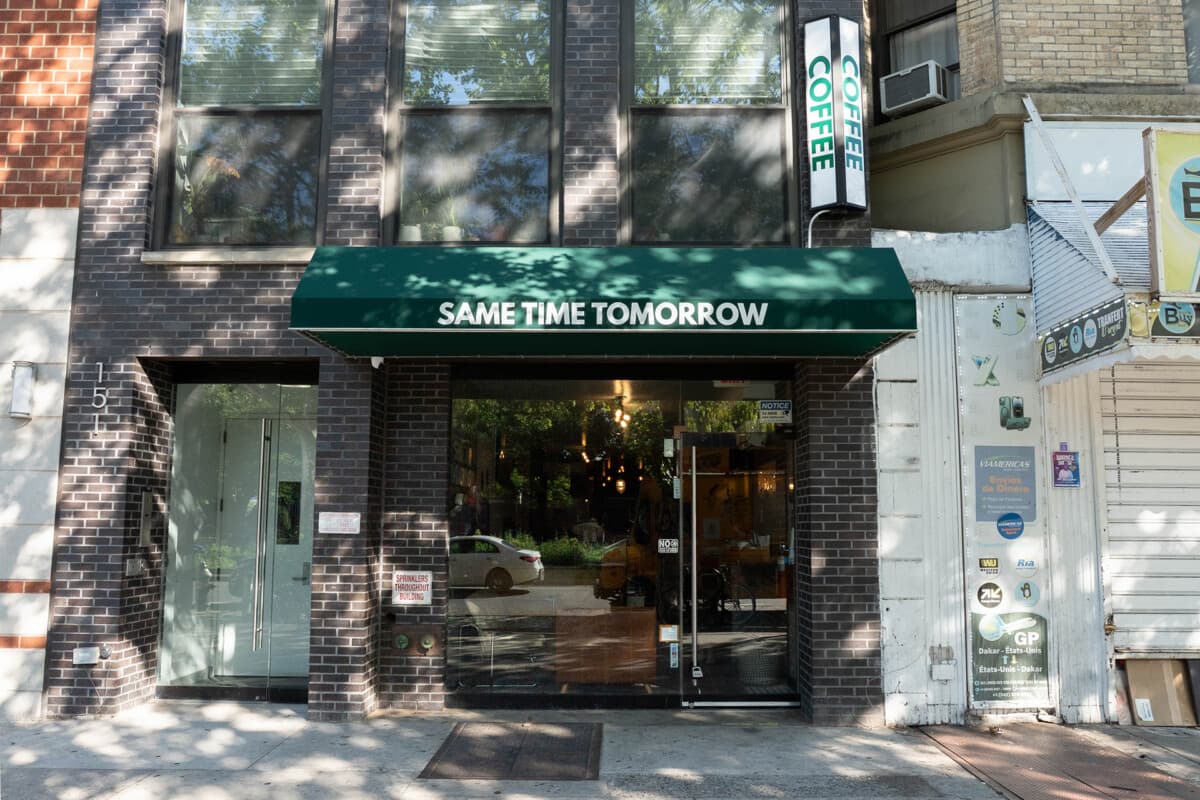
Same Time Tomorrow opens with the kind of address that tells you the whole story before you even order: 151 Malcolm X Blvd in Harlem, in the former Le Petit Parisien space. The shop is selling specialty coffee, but the bigger pitch is social use, with a setup meant for artists, musicians, local creatives, and neighbors who want to linger instead of clear out after a quick cup. That is the real test here, not whether the espresso is fine, but whether the room earns its claim as a community place.
What the shop is trying to be
Sprudge framed Same Time Tomorrow as a new independent coffee shop and cultural space, and that distinction matters. Plenty of cafés borrow the language of community, but this one is explicitly built around community, creativity, and meaningful connection, with a layout meant to feel both intimate and communal. In practice, that means the café is trying to hold two roles at once: a serious specialty coffee bar and a place where the room itself does some of the work.
That ambition fits Harlem, where a good café cannot survive on nice tile and a decent latte alone. It has to give people a reason to stay, come back, and make it part of their routine. Same Time Tomorrow is betting that coffee can be the anchor, but not the only thing on the menu.
The people behind it
Local coverage identified the partners as Malika Michaud, Sade Michaud, and Shaun Willis-Bentley, and it also made clear that the shop is Black-owned and community-focused. Malika Michaud said she had been a patron of the previous business in the space before the group took it over, which gives the opening a useful bit of continuity. This is not a case of outsiders dropping into a neighborhood to extract foot traffic and leave, at least not on paper.
That continuity matters because the site already had a café history. Same Time Tomorrow occupies the former Le Petit Parisien space, and Harlem observers have placed it inside a broader uptown coffee wave, where the neighborhood’s café scene keeps expanding and the stakes for new openings keep getting higher. In a market like this, being merely present is not enough. A new room has to justify itself fast.
What you can actually order
The menu gives a clearer picture of the business than any mission statement does. Public descriptions mention specialty drinks, spritzers, pastries, honey lavender lemonade, matcha banana bread, cinnamon rolls, and a turkey fontina panini. That mix tells you the shop is not treating coffee as a narrow, espresso-only category. It is aiming for a fuller daypart business, with enough sweet and savory options to keep the counter relevant beyond the morning rush.
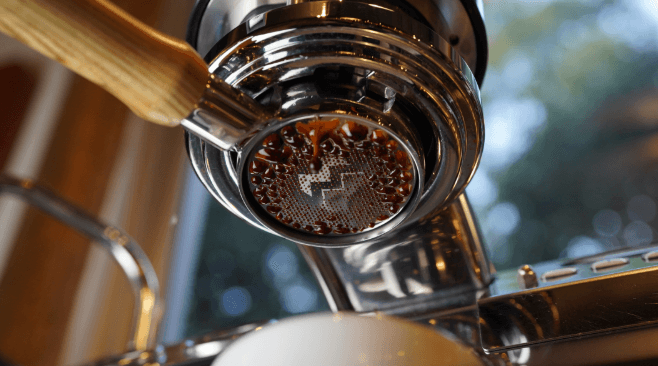
The Infatuation described Same Time Tomorrow as a place where you can pair espresso or honey lavender lemonade with pastries or a turkey fontina panini, which is exactly the kind of menu structure that helps a café stretch from first cup to lunch. That matters in Harlem, where a shop has to serve more than the specialty coffee regulars if it wants to become part of the block’s daily rhythm. The drink list and food lineup are broad enough to support that ambition without feeling like a kitchen disguised as a café.
The cultural layer is the real differentiator
The strongest argument for Same Time Tomorrow as a community space comes from what is happening beyond the bar. Coverage says the interior includes artwork by Black artists and a collection of Black literature, and that the back-lounge seating is meant to support conversation, creative exchange, and longer stays. Those are not decorative add-ons. They shape how the room behaves, and they signal that the café wants people to use it as a place to meet, read, talk, and work.
The public-facing programming also leans into music and limited-edition items, while the shop’s menu has included collaborations with local Harlem bakeries. That is the part worth pressure-testing. Local partnerships can become genuine neighborhood infrastructure, or they can be limited to one-off collabs that look good in photos and disappear after opening week. Same Time Tomorrow’s answer will depend on whether those bakery tie-ins and music-focused events keep showing up as part of a steady calendar, not just an initial burst.
How to read the opening
The shop’s soft opening was Friday, May 22, 2026, and the public listing gave weekend hours of 9am-6pm Friday and Saturday and 9am-5pm Sunday before settling into regular service at 7am-4pm on weekdays and 8am-4pm on weekends. Those hours tell you the operation is built to serve both the early crowd and the slower, linger-all-day crowd. The schedule is practical, not flashy, which is usually a good sign for a café trying to become part of a neighborhood routine.
That routine is where the real question lives. Same Time Tomorrow is not just opening in Harlem, it is opening inside a stretch of the neighborhood where coffee already matters and where every new spot has to prove it deserves the real estate it occupies. The café’s best case is not that it is trendy, but that it becomes useful: a place with good drinks, enough food to hold you through the afternoon, and a room that actually supports the people it says it serves.
If the opening hook is whether Same Time Tomorrow is a true community space or just using the language of one, the answer will come down to the details it keeps repeating after launch: the Black artists on the walls, the Harlem bakery collaborations, the music programming, and the way the back lounge gets used when the novelty fades. That is the work now, and it is the only thing that will decide whether 151 Malcolm X Blvd becomes a coffee stop or a neighborhood address people build habits around.
This article was produced by Prism’s automated news system from verified source data, official records, and press releases, then run through automated quality and moderation checks before publishing. The system is built and supervised by the people who set the standards it runs under. Read our full AI policy.
Did this article answer your question?