Study Finds Civet Coffee Has Distinct Chemistry, Stirring Ethics Debate
Civet beans from Kodagu carried more fat and aroma-linked esters, but the chemistry boost did not touch the bigger question: is the luxury story worth the ethics?
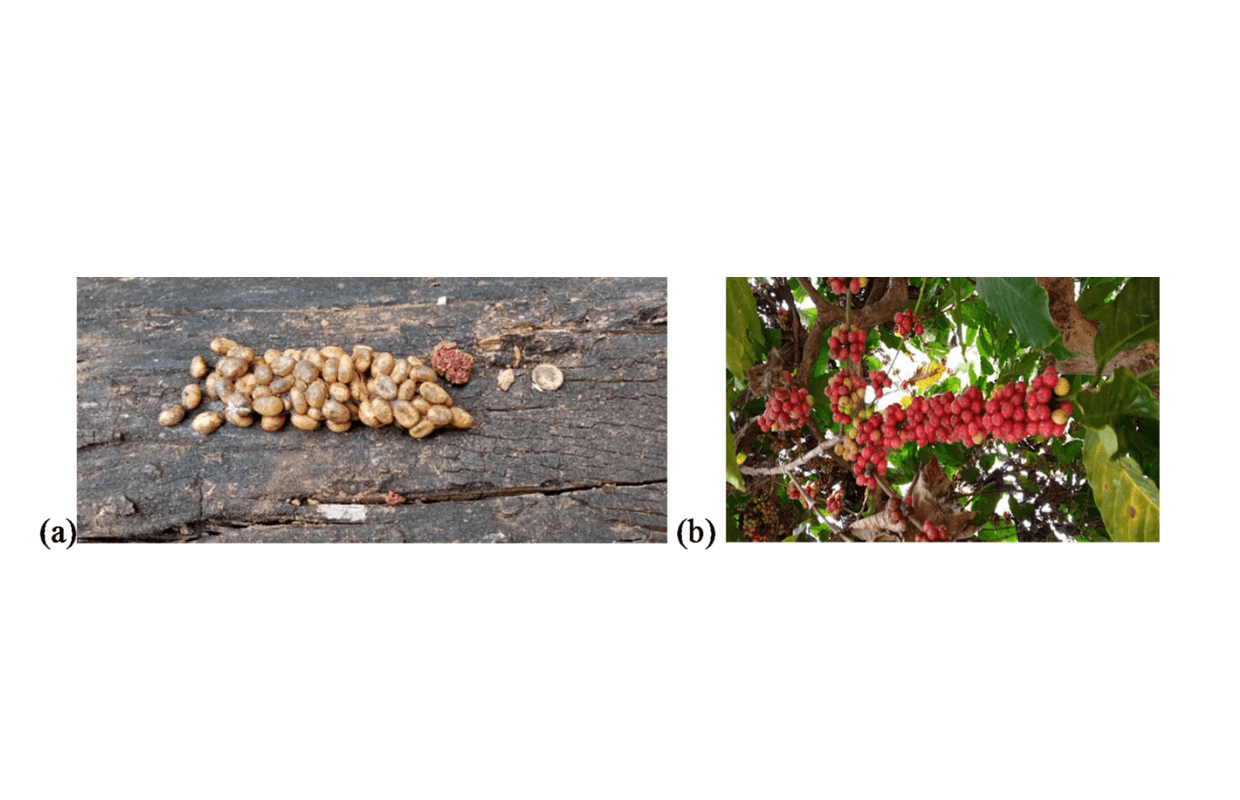
A cup of civet coffee may have more chemistry behind its mystique than skeptics have long admitted. In Robusta beans collected in Kodagu, India, researchers found higher fat content in civet-derived coffee than in manually collected beans, along with elevated caprylic acid and capric acid methyl esters, two compounds tied to aroma. Protein and caffeine stayed the same, which means the study sharpened the flavor debate without turning kopi luwak into a fundamentally different stimulant or a richer source of protein.
That matters because civet coffee has spent years trading on a myth of exceptionalism. Britannica describes kopi luwak as coffee digested, fermented, and excreted by the Asian palm civet, a process that helped make it one of the rarest and most expensive gourmet coffees in the world. Scientific Reports cited prices as high as $30 to $75 per cup and $600 to $1,300 per pound, figures that explain why the category has been vulnerable to both luxury branding and suspicion. A chemistry result like this does not prove the brew is worth those prices, but it does give the market something sturdier than folklore.
The India study also matters because it filled a regional gap. The authors said there had been no recent Indian comparison between civet coffee and conventionally produced beans, even though coffee estates in Karnataka, especially Kodagu, have long sat inside the broader conversation about specialty and novelty coffees. About 85% of the civet scats in the study were collected from elevated, enclosed surfaces rather than open areas, and the team excluded roasted beans to avoid heat-related loss of sensitive compounds. That design choice makes the findings more useful to scientists trying to trace what the civet actually changes before the roast strips details away.
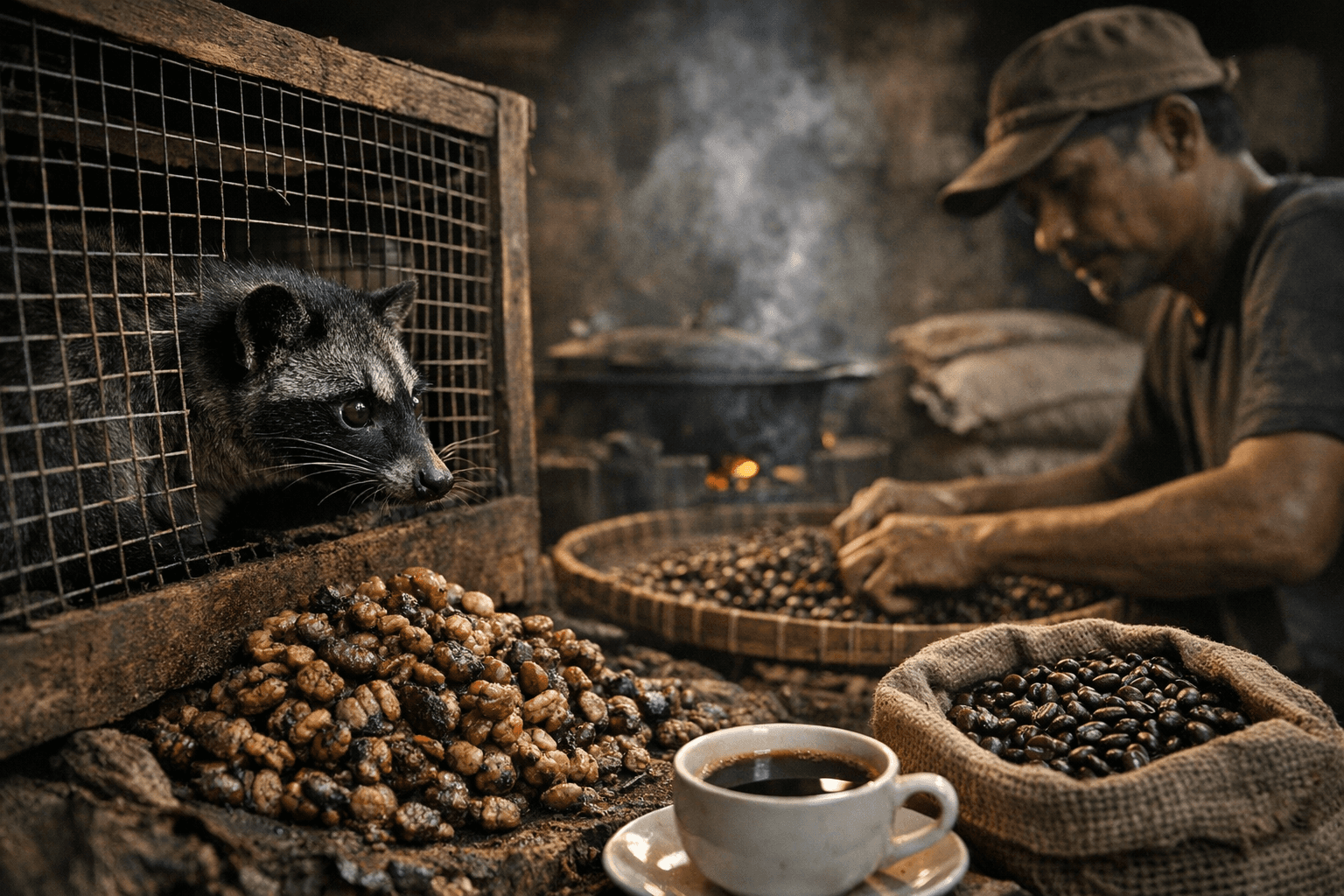
Still, the cup’s chemistry cannot separate itself from the trade’s ethics. Indonesia’s Ministry of Agriculture issued Regulation No. 37/Permentan/KB.120/6/2015 to govern kopi luwak production through civet keeping that follows animal-welfare principles, a sign the issue has long been official policy territory, not just consumer chatter. National Geographic reported in 2016 that captive-civet production had become a major welfare concern, and PETA has continued to allege cruelty in civet coffee farms in Indonesia in 2024 and 2025. Fraud has shadowed the category too: a 2015 metabolomics paper in Scientific Reports addressed authentication because illegal blending was already a known problem. The new study strengthens the case that civet processing can leave a measurable mark on Robusta, but it does not answer the harder question of whether a marked-up cup, built on animal digestion and a shaky supply chain, deserves celebration, caution, or rejection.
This article was produced by Prism’s automated news system from verified source data, official records, and press releases, then run through automated quality and moderation checks before publishing. The system is built and supervised by the people who set the standards it runs under. Read our full AI policy.
Did this article answer your question?