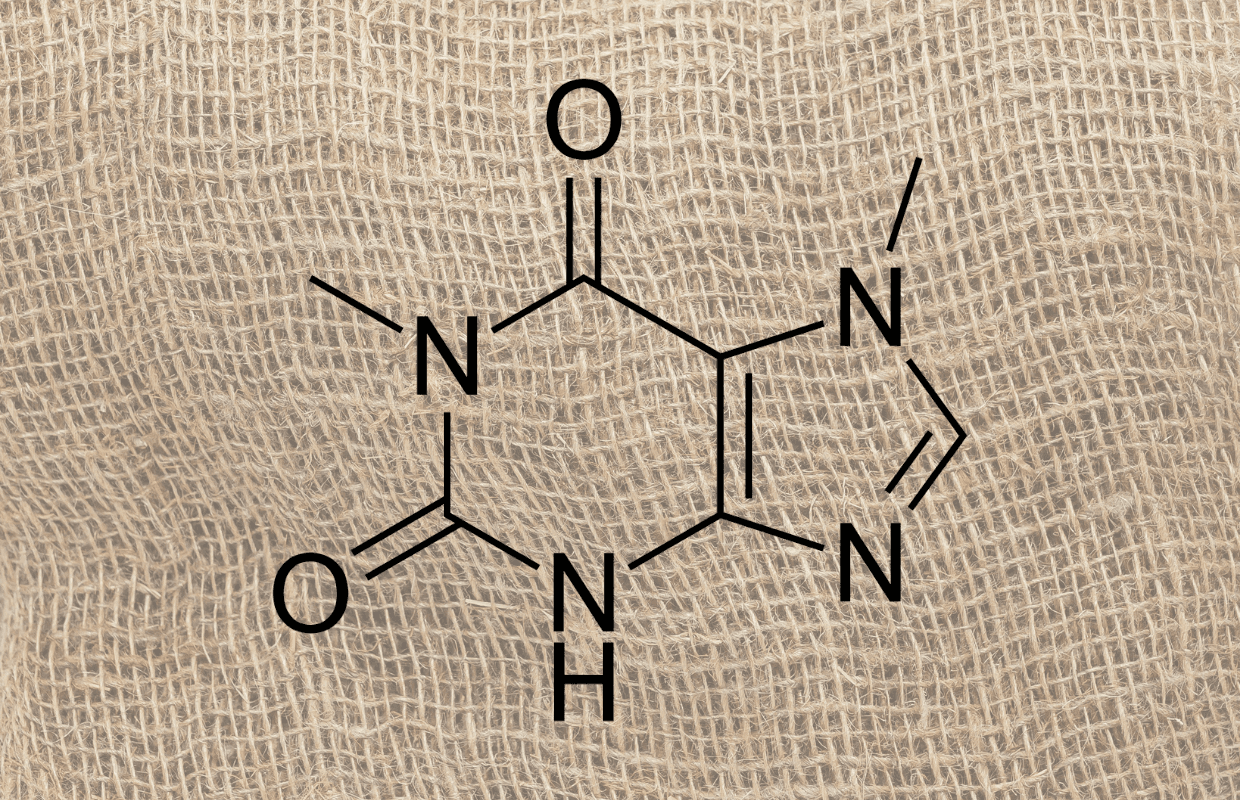
Study links caffeine to DNA repair and longer cell lifespan
Caffeine switched on a cellular fuel sensor in yeast, helped repair DNA, and stretched lifespan, but the big question is whether brewed coffee does the same in people.
Caffeine did not follow the route researchers once expected. In fission yeast, the compound activated AMPK, the cell’s fuel gauge, and that shift was tied to faster mitotic division, stronger DNA repair, and longer chronological lifespan.
That finding came from the Cellular Ageing and Senescence laboratory at Queen Mary University of London’s Centre for Molecular Cell Biology, with John-Patrick Alao, Juhi Kumar, Despina Stamataki and senior author Charalampos Rallis on the paper, “Dissecting the cell cycle regulation, DNA damage sensitivity and lifespan effects of caffeine in fission yeast,” published June 24, 2025 in Microbial Cell. The team used fission yeast, a single-celled model that is surprisingly similar to human cells, to trace how caffeine affects growth, stress response and DNA damage. In this study, caffeine did not act directly on TOR, the growth switch implicated in earlier Queen Mary work. Instead, it indirectly activated AMPK subunits Ssp1, Ssp2 and Amk2, and the researchers said Ssp1 and Amk2 were required for resistance to caffeine under prolonged genotoxic stress.
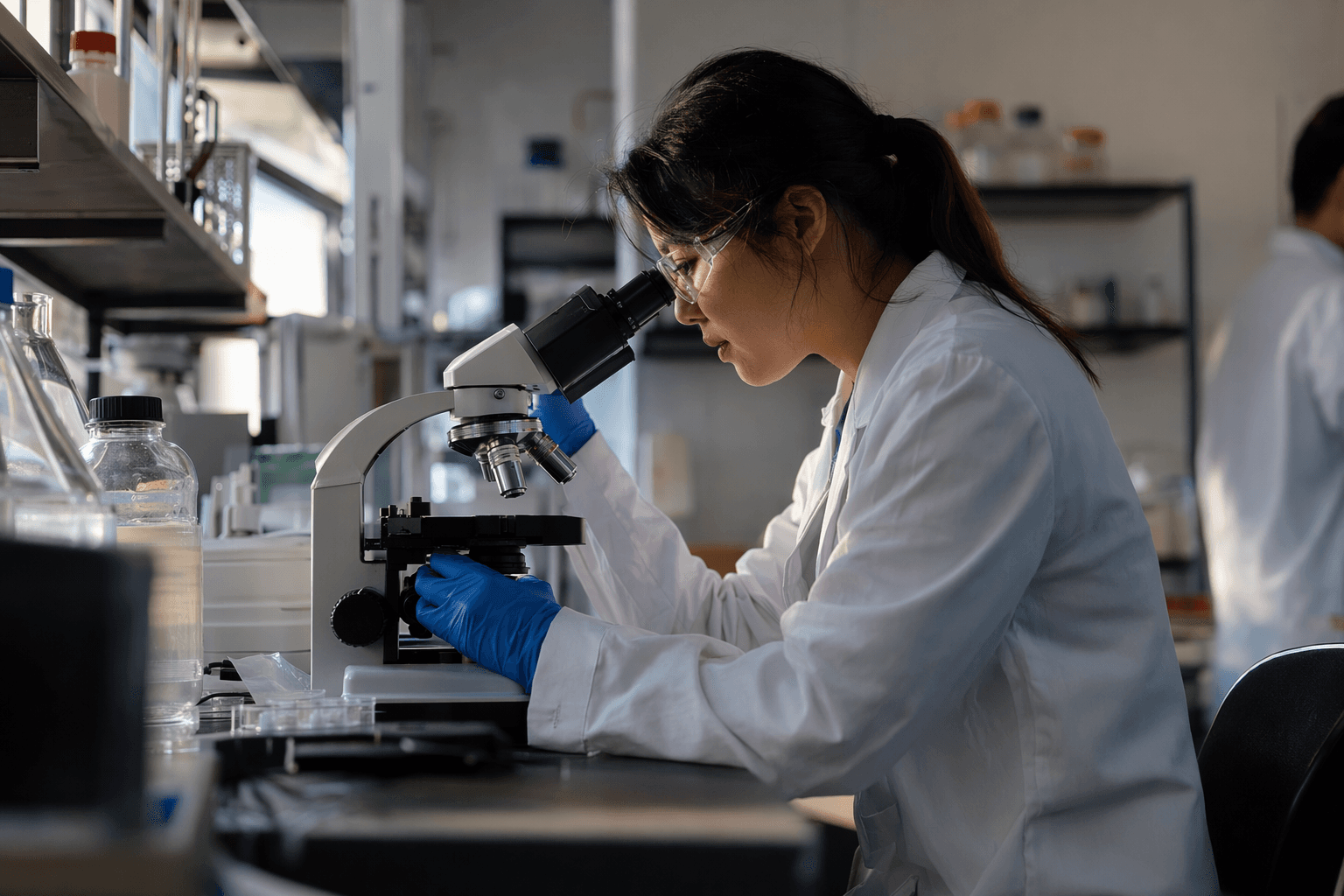
For coffee drinkers, that mechanism is the interesting part, and the caution. AMPK is an evolutionarily conserved energy sensor in yeast and humans, so the biology is not trivial. But fission yeast is still not a cup of filter coffee, and the unanswered question is the one readers care about most: whether this cell-level anti-aging signal survives the leap from a lab dish to brewed coffee in daily life.
That is where the human data adds context, not certainty. In 2025, an NIH/NHLBI summary of a study of more than 40,000 U.S. adults found that people who drank coffee before noon had a 16% lower risk of death from any cause and a 31% lower risk of cardiovascular death over nearly 10 years. The European Heart Journal paper behind that result followed 40,725 adults in NHANES and 1,463 people in a validation cohort, and linked morning-pattern coffee drinking with lower all-cause mortality, hazard ratio 0.84, and cardiovascular mortality, hazard ratio 0.69. Separate Harvard-linked research in 2025 followed nearly 50,000 women for 30 years and found that midlife caffeinated coffee drinkers were more likely to be healthy agers.
The broader backdrop is less alarming than coffee’s old reputation suggested. In 2016, the World Health Organization’s cancer agency, IARC, reclassified coffee as Group 3, meaning it is not classifiable as to carcinogenicity to humans. That helps explain why a yeast study on DNA repair and lifespan lands with so much force now: coffee is no longer just being defended, it is being picked apart for mechanisms. The new work says caffeine can turn a cellular energy sensor, but brewed coffee still has to clear the last and hardest test, proving that the signal matters outside the microscope.
Know something we missed? Have a correction or additional information?
Submit a Tip