Stumptown Coffee Roasters president steps down amid ownership changes
Laura Szeliga’s exit puts Stumptown’s culture and café identity under a fresh ownership test just as the Portland-born roaster keeps trimming its footprint.

Stumptown Coffee Roasters is back in a familiar but uneasy spot: a leadership change landing while the brand is still being folded into a larger corporate structure. Laura Szeliga, who led the Portland-based roaster and café chain for the last five years, has stepped down after more than 15 years with the company, and Stumptown is now looking for a new president.
That matters because Stumptown has never been just another coffee name on a shelf. Founded in Portland in 1999 by Duane Sorenson, with its first café opening the same year, the company helped define the U.S. third-wave scene and built its reputation on direct-trade sourcing and obsessive quality. When a brand like that changes hands, the real question is not whether the logo stays the same. It is whether the café experience, wholesale relationships, and roast profile stay recognizable once the ownership machinery starts turning.
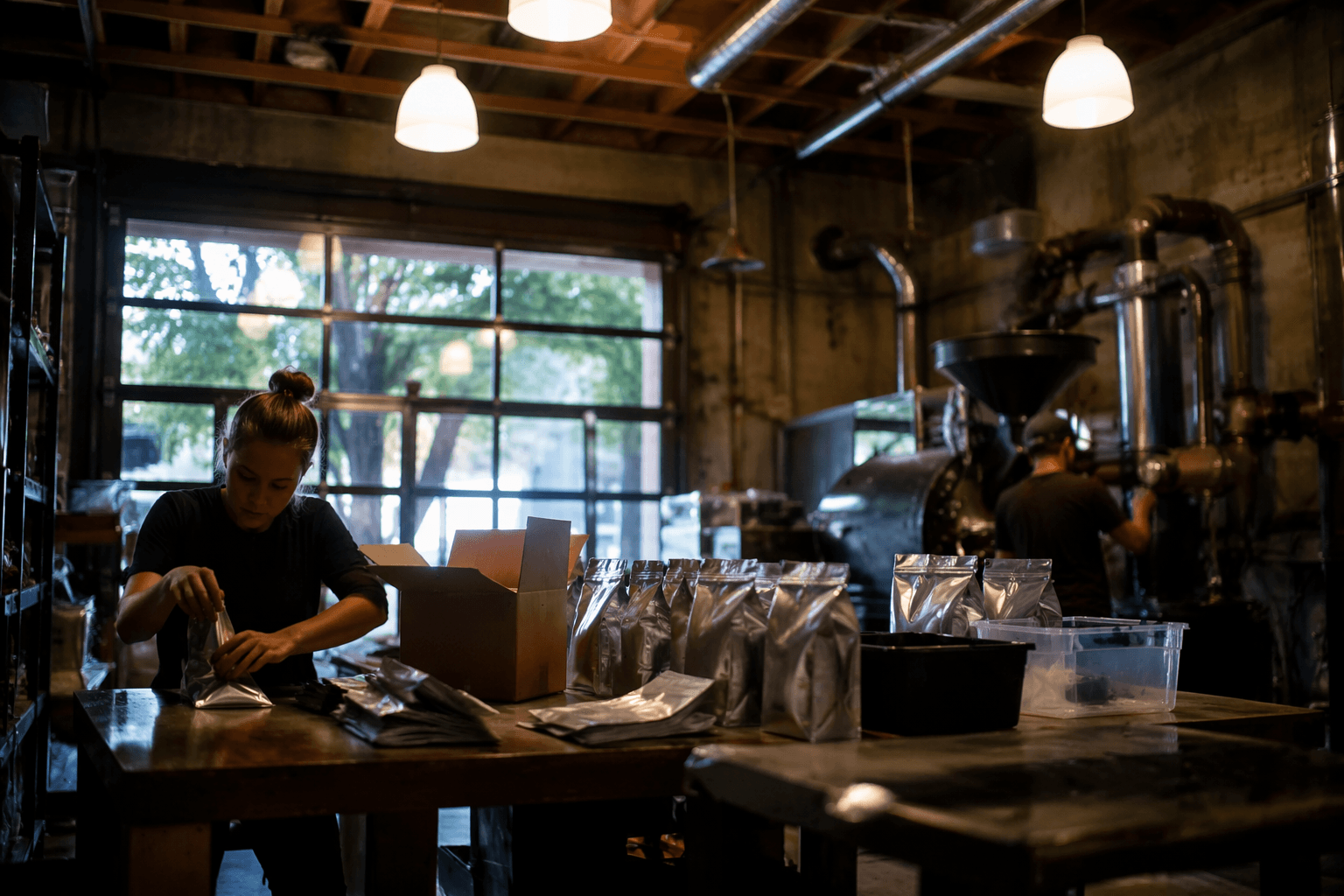
Szeliga’s departure follows a turbulent stretch for the business. Stumptown has been working through a significant ownership change and site closures, and its parent company, JDE Peet’s, was acquired by Keurig Dr Pepper on April 1, 2026. Keurig Dr Pepper said the deal would create a global coffee leader serving more than 100 countries, while JDE Peet’s said Rafael Oliveira would lead the future Global Coffee Co. For Stumptown, that puts a heritage specialty brand inside a much larger integration process, with all the pressure that brings.
The staffing turnover around the exit only sharpens that sense of drift. Local reporting said at least a half-dozen former employees posted about leaving or job searching around the same period, suggesting the president’s departure was not happening in isolation. For wholesale accounts and café regulars, the first signs of change are usually less dramatic than a new press release: a slightly different service rhythm, a reset in store priorities, or a change in how aggressively the company leans into its classic offerings.
Stumptown’s physical footprint has also been shrinking in Portland, the city where it helped launch the third-wave movement. In February 2026, the company said it would close its original Southeast Belmont café, which opened in 1999 and had long served as a symbolic flagship. The company’s own materials also show it is still running normal business closures and holiday schedules into New Year’s Day 2027, a reminder that the operation is active even as it is being reshaped.
That is what makes this leadership change feel bigger than one executive departure. Stumptown was sold to Peet’s Coffee in 2015, then became part of JDE Peet’s, and now sits inside Keurig Dr Pepper’s broader coffee portfolio. A brand built on direct relationships, including Sorenson’s foundational tie with the Aguirre family of Finca El Injerto in 2003, is once again being asked to prove that its identity can survive the next corporate transition without flattening out.
This article was produced by Prism’s automated news system from verified source data, official records, and press releases, then run through automated quality and moderation checks before publishing. The system is built and supervised by the people who set the standards it runs under. Read our full AI policy.
Did this article answer your question?