Texas A&M study links coffee compounds to key health receptor
Texas A&M scientists found brewed coffee and several coffee compounds bind NR4A1, a stress and inflammation receptor. The lab work may explain coffee’s health halo, but it does not prove prevention.

Your morning cup may be doing more than jolting you awake. Texas A&M researchers found that brewed coffee and several of its compounds bind to NR4A1, a receptor tied to stress, inflammation and cellular damage, giving coffee a plausible molecular foothold in the long-running health conversation.
The work centers on a nuclear receptor Texas A&M describes as a kind of nutrient sensor, one that helps regulate gene activity when the body is under stress or dealing with damage. In lab tests, brewed coffee extracts and individual compounds including caffeic acid, chlorogenic acid, ferulic acid, p-coumaric acid, kahweol and cafestrol all bound to NR4A1, with many binding constants below 10 micromolar. Caffeine bound too, but the effect was more variable and less consistent than the polyphenols.
That matters because coffee has spent years sitting in an awkward place between habit and headline. Observational studies have repeatedly linked coffee drinking with lower risks of aging-related disease, including Alzheimer’s disease, Parkinson’s disease and metabolic disorders, but those studies never proved why the association kept showing up. The Texas A&M team now has a candidate mechanism: NR4A1 may be one of the receptors through which coffee’s bioactive compounds influence health.
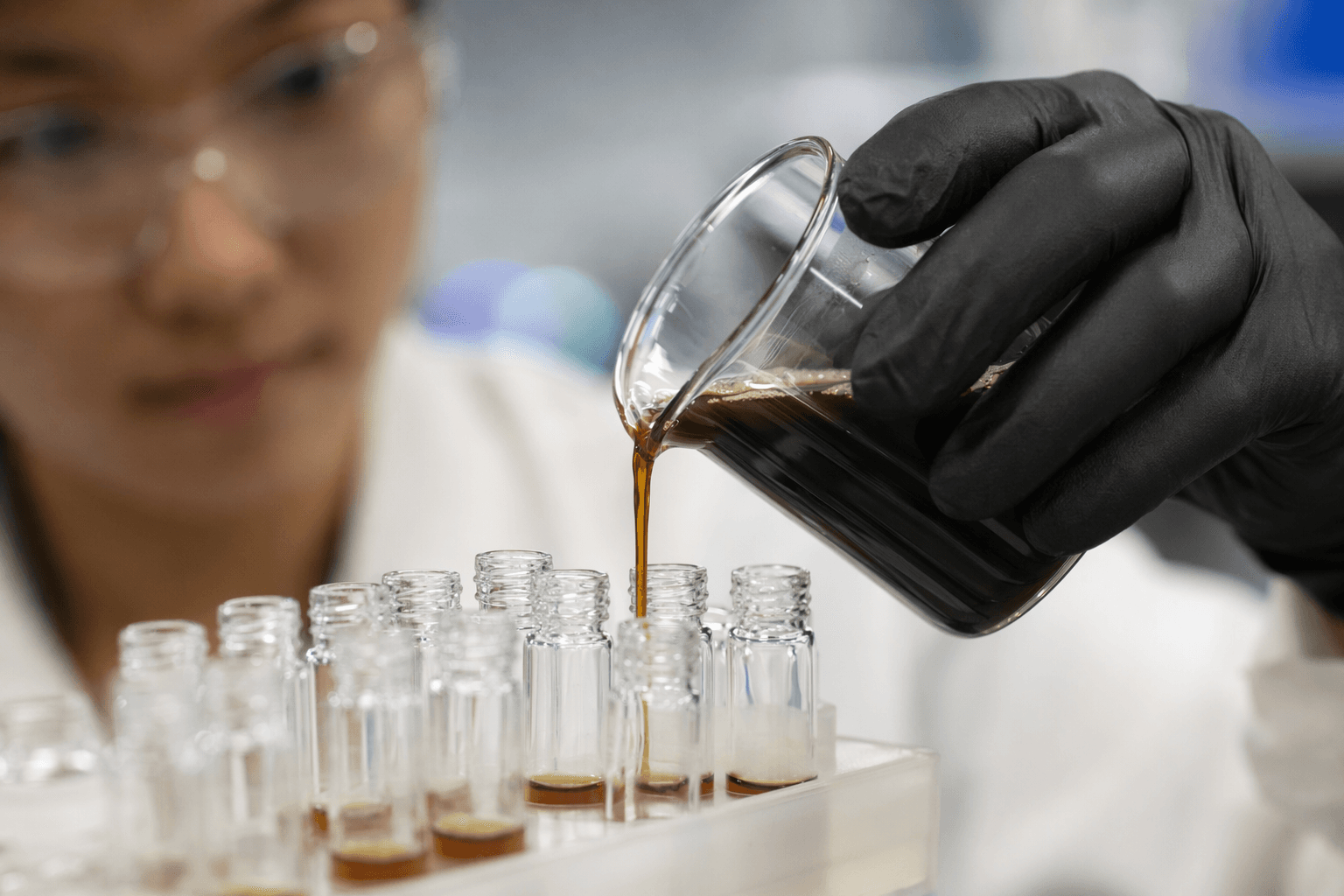
The experiments were broad for a coffee paper. The team used fluorescence quenching, surface plasmon resonance, molecular docking, Rh30 cancer-cell transactivation assays and RAW264.7 macrophage assays. Brewed coffee and major polyphenolics showed NR4A1-dependent effects in both cell models, and the growth-inhibiting effect on Rh30 cells was reduced when NR4A1 was absent. The study also reported NR4A1-dependent changes in transactivation and gene-product responses, reinforcing the idea that this receptor is doing real biological work, at least in the lab.
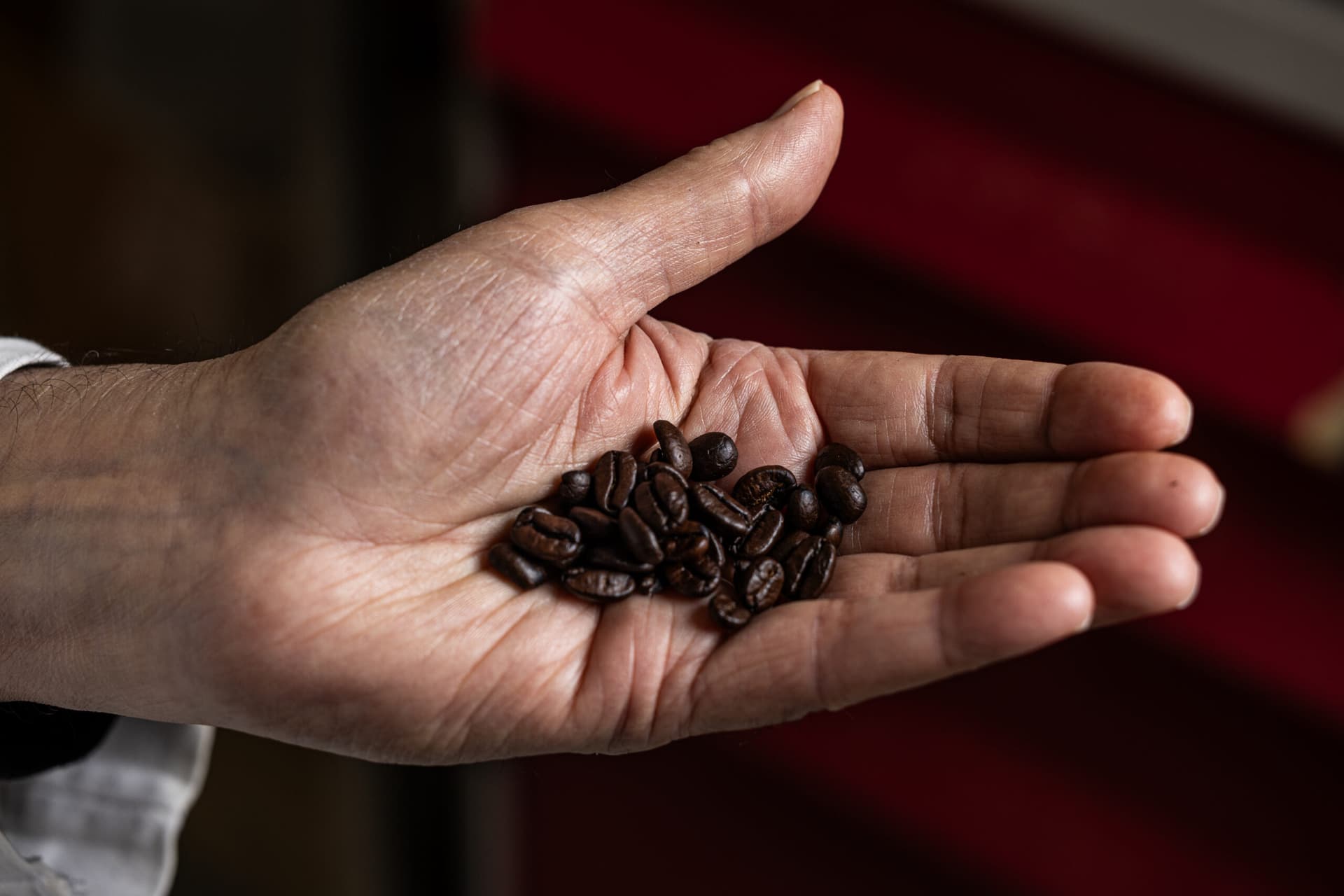
The samples included both caffeinated and decaffeinated coffees supplied by Polite Coffee Roasters in Bryan, Texas, and Texas A&M’s Center for Coffee Research and Education. That detail will catch decaf drinkers’ attention, because it fits a pattern many coffee fans already notice in the wild: decaf often seems to show up in the same health conversations as the regular stuff. The likely reason is not magic, but chemistry.
The paper, published in Nutrients as volume 18, issue 6, article 877, moved from submission on December 17, 2025, to revision on February 17, 2026, acceptance on March 5, 2026 and publication on March 10, 2026. Texas A&M said the finding offers one of the first direct connections between coffee and NR4A1. It is a useful step, but it still stops well short of proving that coffee prevents disease.
This article was produced by Prism’s automated news system from verified source data, official records, and press releases, then run through automated quality and moderation checks before publishing. The system is built and supervised by the people who set the standards it runs under. Read our full AI policy.
Did this article answer your question?