Yemeni Coffeehouses Spread Across U.S. Cities, Exporting Culture and Tradition
Yemeni coffeehouses are turning U.S. coffee culture into a night-friendly, alcohol-free social scene, with chain locations up 50% to 136 and more growth coming.
From Mocha to Main Street
Yemeni coffeehouses are moving fast across the U.S., and the change is bigger than a menu shift. What is spreading is a whole social format, one built on spiced brews, long conversations, and hospitality that treats coffee as a place to gather, not just a drink to grab and go.
That matters because Yemen is not a newcomer to coffee. The country’s coffee trade began in the 16th century, and for centuries coffee was its most important export. The port of Mocha, also spelled Mokha, became a major export hub from the 16th to the 18th centuries, giving the world one of coffee’s most recognizable names and setting the stage for the modern revival now visible in American cities.
Why these cafes are resonating now
Part of the appeal is that Yemeni coffeehouses offer something many American drinkers are actively seeking: a social space that is lively without being centered on alcohol. These cafes often stay open late, sometimes past 3 a.m., especially during Ramadan, and they are marketed as alcohol-free gathering spots at a moment when Gallup says just 54% of U.S. adults reported drinking alcohol, the lowest level in 90 years.
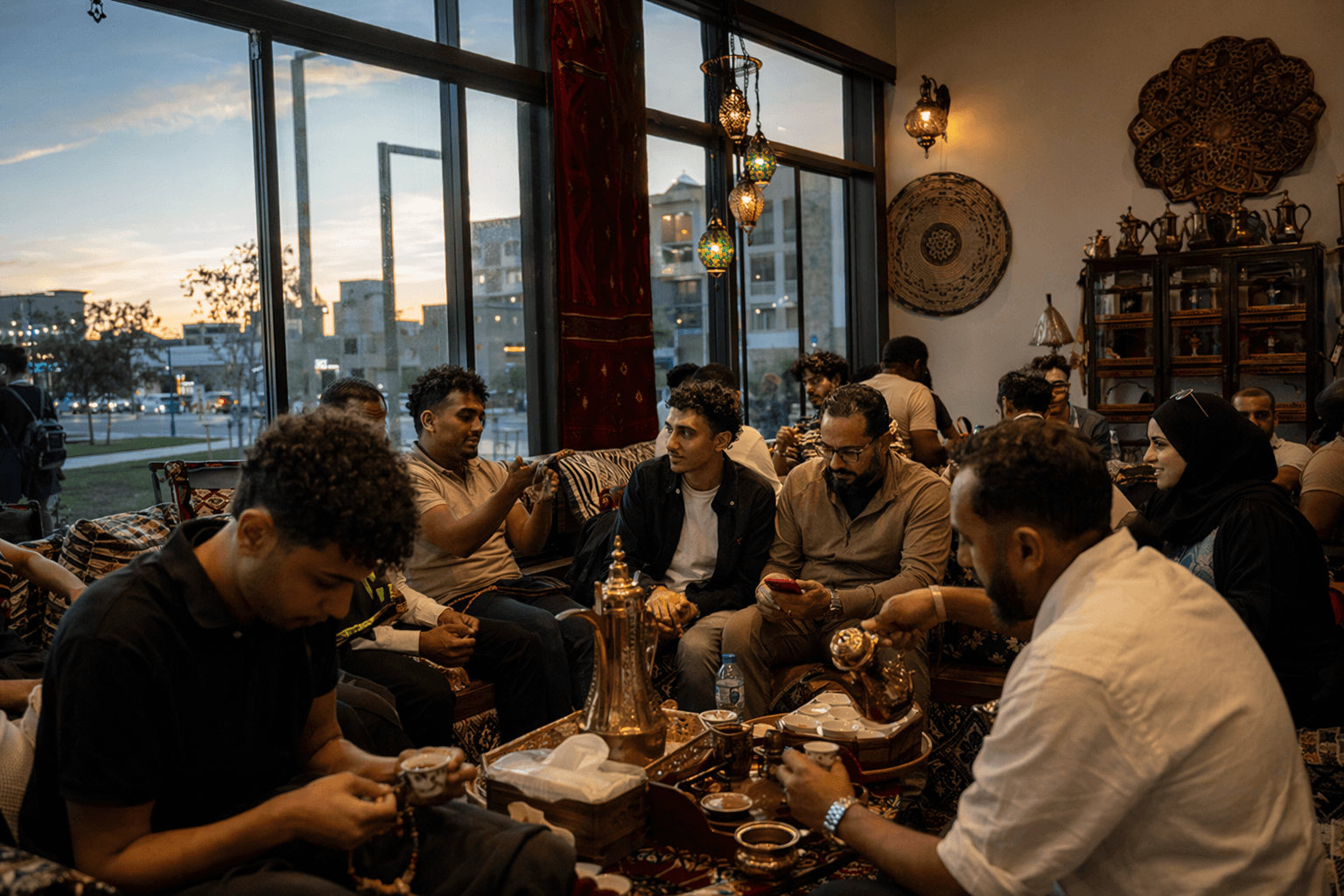
That late-night rhythm gives the cafes a different pulse from the standard daytime coffee shop. They work as after-dinner meeting places, study halls, family hangs, and community rooms all at once, which helps explain why many draw not only Arab American customers but also people looking for global flavors and an alternative to nightlife.
The growth also tracks with who is living in these communities. The Arab American Institute estimates there are 3.7 million Arab Americans in the U.S., and says the Arab American population grew 43% between 2010 and 2024. That demographic expansion is feeding demand, but it is also helping normalize a format that feels both rooted and new.
Where the expansion is happening
The numbers show a category that is scaling quickly. Technomic says the number of cafes run by six major chains serving Yemeni-style drinks grew 50% last year to 136. That kind of jump signals more than scattered openings; it points to a recognized business model with staying power.
A lot of the activity is happening in places with established Arab American communities, especially Michigan, California, and Texas. But the footprint is also pushing into newer markets, including Alpharetta, Georgia; Overland Park, Kansas; and Portland, Maine, which tells you the appeal is broadening beyond its original base.
Dearborn, Michigan, remains the center of gravity. WDET reports that the city has more than 45 coffee shops in just 24 square miles, and it is where brands like Qahwah House, Qamaria, and Haraz first took shape before expanding outward. In that kind of density, Yemeni-style cafes are not just competing on beans, they are competing on atmosphere, ritual, and community loyalty.
The shops are exporting identity, not just flavor
For many owners, these cafes are a way to carry Yemen into daily life in the U.S. during a period when going home is difficult. Yemen has been in civil war since 2014, and business owners say the cafes are meant to preserve and export Yemeni identity while making room for a public that may never have seen a traditional Yemeni gathering space before.
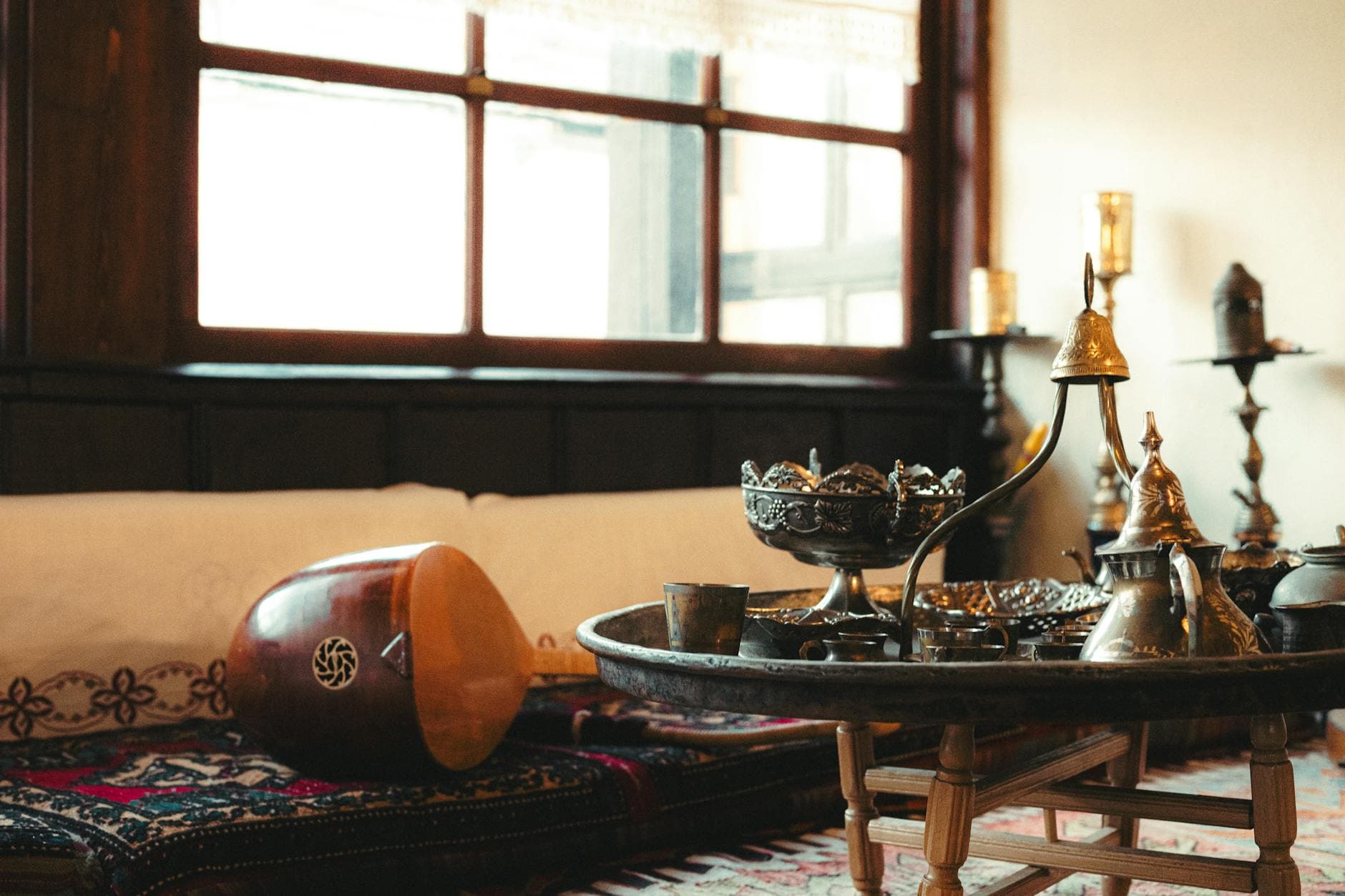
The interiors reflect that mission. Owners describe desert-tone color palettes, mosque-like arches, traditional lamps, soft lighting, Arabic music, and kid-friendly spaces designed to evoke Yemen rather than simply borrow from it. The point is immersion: to make the room feel like a memory, a cultural touchstone, and a welcoming social setting all at once.
Hamzah Nasser, who opened Haraz Coffee House’s original Dearborn location in 2021, embodies that bridge between home and diaspora. He was born in Yemen and moved to metro Detroit at age 6, and Haraz has become one of the brands helping turn that personal history into a larger commercial and cultural presence.
The chains behind the surge
The biggest operators are growing fast enough to reshape the market. Arwa Yemeni Coffee has 11 cafes across the U.S. and 30 more in development, while Qamaria Yemeni Coffee says it has 42 locations in 15 states. Those are the kinds of numbers that move a category from niche to visible, especially when paired with the spread into new metropolitan areas.
That expansion also changes what coffee culture looks like on an ordinary night out. A Yemeni cafe may serve a spiced brew that feels closer to home cooking than to third-wave minimalism, and the room around it may be filled with families, students, elders, and first-time visitors all sharing the same space. In practice, that means the cafes are functioning as cultural ambassadors as much as beverage businesses.
The result is a coffee scene that is becoming more layered and more communal. Yemeni coffeehouses are not simply another cafe trend in an already crowded market. They are exporting a centuries-old coffee tradition, translating diaspora identity into a contemporary setting, and giving U.S. cities a new kind of third place, one built around hospitality, memory, and a cup that carries a long history.
This article was produced by Prism’s automated news system from verified source data, official records, and press releases, then run through automated quality and moderation checks before publishing. The system is built and supervised by the people who set the standards it runs under. Read our full AI policy.
Did this article answer your question?