Amigurumi Corner’s baby elephant pattern adds poseable sculpted detail
A baby elephant becomes a sculptural amigurumi lesson, with a poseable head, seamless trunk, and shaped toes that reward confident builders.

A baby elephant is one of those amigurumi subjects that instantly shows when a pattern is thinking like an engineer. Amigurumi Corner’s Baby Elephant Amigurumi: Free Crochet Pattern leans into that idea with a sitting elephant, a jointed, poseable head, and a trunk built directly into the face instead of stitched on later. The result is not just cute, but composed, with a cleaner silhouette and a more finished presence on a shelf or in a nursery.
Why this elephant feels like a step up
Martha Miller positions the pattern as a confident intermediate project, and that framing matters. This is the kind of build that asks you to pay attention to structure, assembly, and proportion, not just stitch count and stuffing. For crocheters who have already made a few basic plushies, the appeal is obvious: the pattern offers a chance to practice tighter shaping while still ending up with something soft and charming.
The sculptural decisions do most of the work here. The poseable head adds life, the trunk is integrated across two rounds so it flows with the face, and the sculpted toes keep the feet from reading as generic blobs. Those details are what make the elephant look intentional rather than simply stuffed.
The materials already tell you what kind of project this is
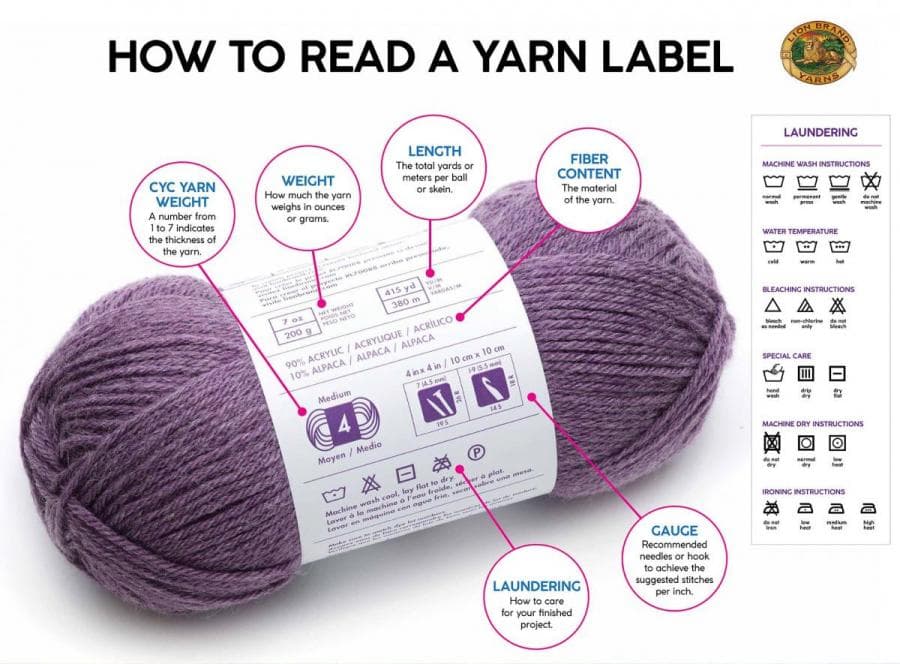
The yarn choice sets the tone immediately. The pattern calls for bulky weight, CYCA #6 chenille or plush yarn, which gives the finished elephant a dense, cuddly body and helps the shaping hold its form. A US K-10.5, 6.5 mm hook keeps the fabric in the right range for a plush toy with enough structure to support its shaping.
The rest of the materials list reinforces the build quality:

- Sparkly safety eyes, sized about 18 to 24 mm
- Polyester fiberfill for stuffing
- A joint disk set for the movable head attachment
- White or cream fur yarn for a small hair accent on the head
That combination points to a pattern that is meant to feel polished. The eyes bring the character to life, the joint disk gives the elephant motion, and the fur yarn accent adds just enough texture to keep the head from feeling flat.
How the construction teaches amigurumi engineering
The pattern walks through the legs, arms, body, ears, trunk, head, and assembly, and that order is part of its value. You are not just following instructions to get a finished toy; you are building an understanding of how each part supports the next. The 3D sections are worked in continuous spiral rounds, while the ears are made in flat rows, which gives the project both volume and shape variation.
That mix of construction methods is what makes the elephant a strong study piece for someone moving beyond beginner plushes. Spiral rounds create seamless cylinders and rounded forms, while flat rows let the ears drape with a more natural shape. When those parts come together, the toy reads as an actual animal with weight and posture, not a collection of separate crocheted parts.
The trunk is the standout detail. Because it is crocheted directly into the head across two rounds rather than sewn on separately, it looks integrated from the start. That single choice changes the whole face, giving the elephant a more cohesive profile and removing the awkward join that can flatten other amigurumi animals.

Poseable details make the toy feel alive
The jointed head is where this pattern moves from cute to memorable. A stationary plush can be charming, but a head that can shift slightly changes the personality of the piece. It invites a different kind of display, one that feels more expressive and a little less static.
That mobility also works with the rest of the silhouette. The sitting posture, sculpted toes, and integrated trunk all push the design toward a more realistic, polished finish. Even with the soft chenille texture, the elephant does not disappear into generic roundness. It has a shape you can read at a glance.
A pattern with a place in amigurumi history
The project also sits comfortably inside the broader amigurumi tradition. Amigurumi refers to the Japanese art of crocheting or knitting small stuffed toys, and it became especially popular in Japan in the 1980s before spreading more widely in the West in the early to mid-2000s. That history helps explain why patterns like this one matter so much to the community: amigurumi has always rewarded small design choices that make a toy feel emotionally specific.
That same tradition is why baby elephants, in particular, work so well. They fit the handmade, giftable side of amigurumi culture, the side that often overlaps with baby gifts, nursery decor, and keepsake toys. A sitting elephant with a poseable head feels ready for display in exactly those settings.
Safety still belongs in the design conversation
The materials list includes safety eyes, and that is where practical toy-making judgment comes in. The U.S. Consumer Product Safety Commission says children’s products intended for use by children under 3 that present a choking, aspiration, or ingestion hazard because of small parts are banned hazardous substances. Safety eyes are widely treated as unsuitable for children under 3, and embroidery is commonly suggested instead when a toy is meant for very young children.
That does not diminish the pattern’s appeal. It simply places the project in the right context. As written, this is a refined amigurumi build that makes sense as a gift item, nursery accent, or shelf piece, especially when the maker is choosing materials with display or supervised use in mind.
Why crocheters keep coming back to builds like this
The best part of a project like this is how much it asks of your hands without losing its softness. The elephant still feels approachable and sweet, but it also gives you clear practice in shaping, assembly, and structural control. That balance is what keeps experienced crocheters engaged: the payoff is not only a cute animal, but a better grasp of how a plush becomes a character.
And that is the real charm of this baby elephant. The poseable head, seamless trunk, and sculpted feet turn a familiar amigurumi subject into a small study in form, the kind of project that reminds you why structure matters as much as stuffing.
This article was produced by Prism’s automated news system from verified source data, official records, and press releases, then run through automated quality and moderation checks before publishing. The system is built and supervised by the people who set the standards it runs under. Read our full AI policy.
Did this article answer your question?