Medium-weight yarn guide helps crocheters choose the right fiber
Medium-weight yarn is crochet’s most useful decision point: the label tells you the hook, the gauge, and the fabric behavior before you buy a single skein.
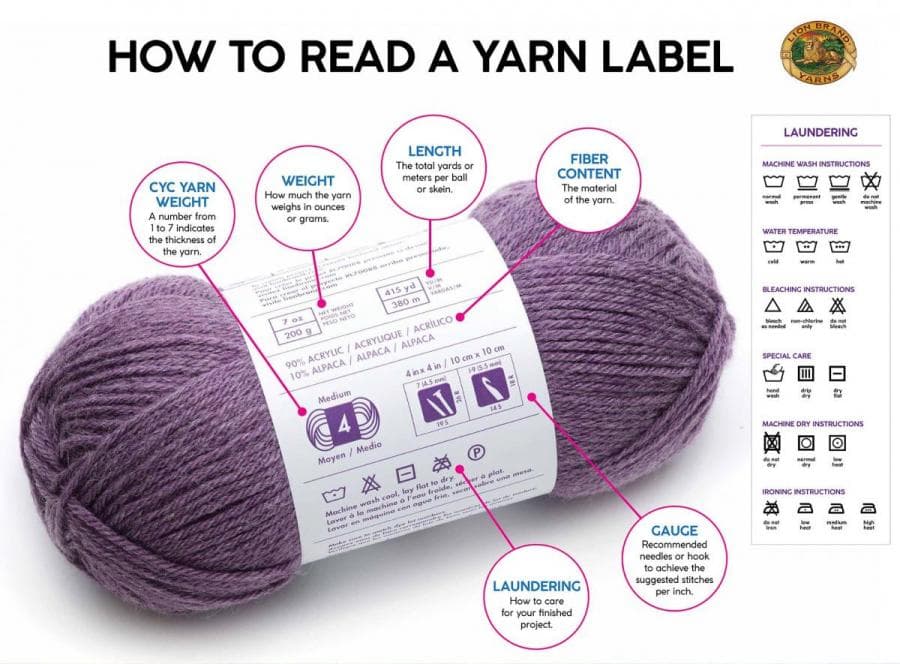
In the Craft Yarn Council’s system, medium yarn is weight 4: worsted or aran yarn that shows up in blankets, bags, garments, and home goods because it works up quickly while still showing stitch pattern, shape, and structure clearly. In the craft’s everyday language, it gives you a dependable starting point instead of a guessing game.
Why medium-weight yarn keeps winning
The Craft Yarn Council’s standards make that guessing game smaller. Its system, built by publishers, fiber manufacturers, and needle and hook makers, uses a 0 to 7 scale to bring uniformity to yarn, hook, and pattern labeling. Labels use symbols to show both yarn thickness and pattern skill level.
Medium-weight yarn sits in a useful middle ground. A practical crochet range is about 16 to 20 stitches and 24 to 30 rows in a 4-inch square when worked with a 5 mm to 6 mm hook. The Craft Yarn Council lists medium yarn with 5.5 mm to 6.5 mm crochet hooks and a typical crochet gauge of 11 to 14 stitches, which shows why the label is a guide, not a promise.
What the label is really telling you
A yarn label is more than a brand tag. The gauge on a label tells you the recommended hook or needle size and the number of stitches per inch, which turns the ball band into a tool for planning instead of decoration. If you can read that information quickly, you can compare brands, substitute fibers, and understand whether a yarn marked #4 worsted is likely to behave like the medium yarn your pattern expects.
The updated yarn weight system runs all the way from 0 to 7, with 0 the finest and 7 the thickest, and it includes the newer size 8, blocking, and plus symbols in the system. Medium weight is a standardized category that points you toward a hook range, a stitch density, and predictable fabric behavior.
Fiber changes everything, even at the same weight
Once you know the weight, fiber is where the project starts to take on a personality. Acrylic is valued for being soft, affordable, and easy to wash, which makes it an easy fit for baby items and blankets that need regular laundering. Cotton brings a breathable, crisp hand that works well for summer garments and dishcloths, where stitch definition and absorbency matter.
Wool blends add warmth and elasticity, so the fabric can feel lively and resilient instead of flat. Bamboo moves in the opposite direction, with a silky, drapey quality that suits scarves and lightweight tops, and it also carries a more eco-friendly reputation that draws a lot of makers to it. Two #4 skeins can create very different fabric because fiber changes drape, durability, and stitch definition.
Where medium weight excels, and where it can fall short
Medium-weight yarn is strongest when you want a project to hold together without fighting your hands. It works naturally for structured bags, because a tighter gauge can give you a firmer fabric with more body. The same weight also makes sense for shawls and lightweight blankets when you loosen the fabric enough to bring out drape instead of stiffness.
Medium weight can disappoint when you treat the label as the whole answer. A cotton medium-weight dishcloth will behave differently from a bamboo medium-weight scarf, and a wool blend will spring back in a way acrylic or cotton will not. If you want a project to be crisp, choose fiber and gauge that support that goal; if you want flow, do the opposite. Weight sets the category, but fiber and gauge determine whether the fabric comes out crisp or fluid.
Swatching is the part that saves the project
The Crochet Guild of America stresses the same basics in its instructional materials: swatching, hook choice, and standard gauge matter throughout the swatch. They are the difference between a sweater that fits, a blanket that lands at the intended size, and a bag that does not collapse under its own fabric.
Gauge is the rhythm of the project, as Yarnful Creations puts it. If your stitches run too tight, the fabric pulls dense and stubborn. If they run too loose, the fabric opens up and loses the controlled feel that medium-weight yarn is supposed to give you. A swatch tells you whether your hands and the pattern are playing the same tune before you commit to the full piece.
How to buy smarter before you cast on
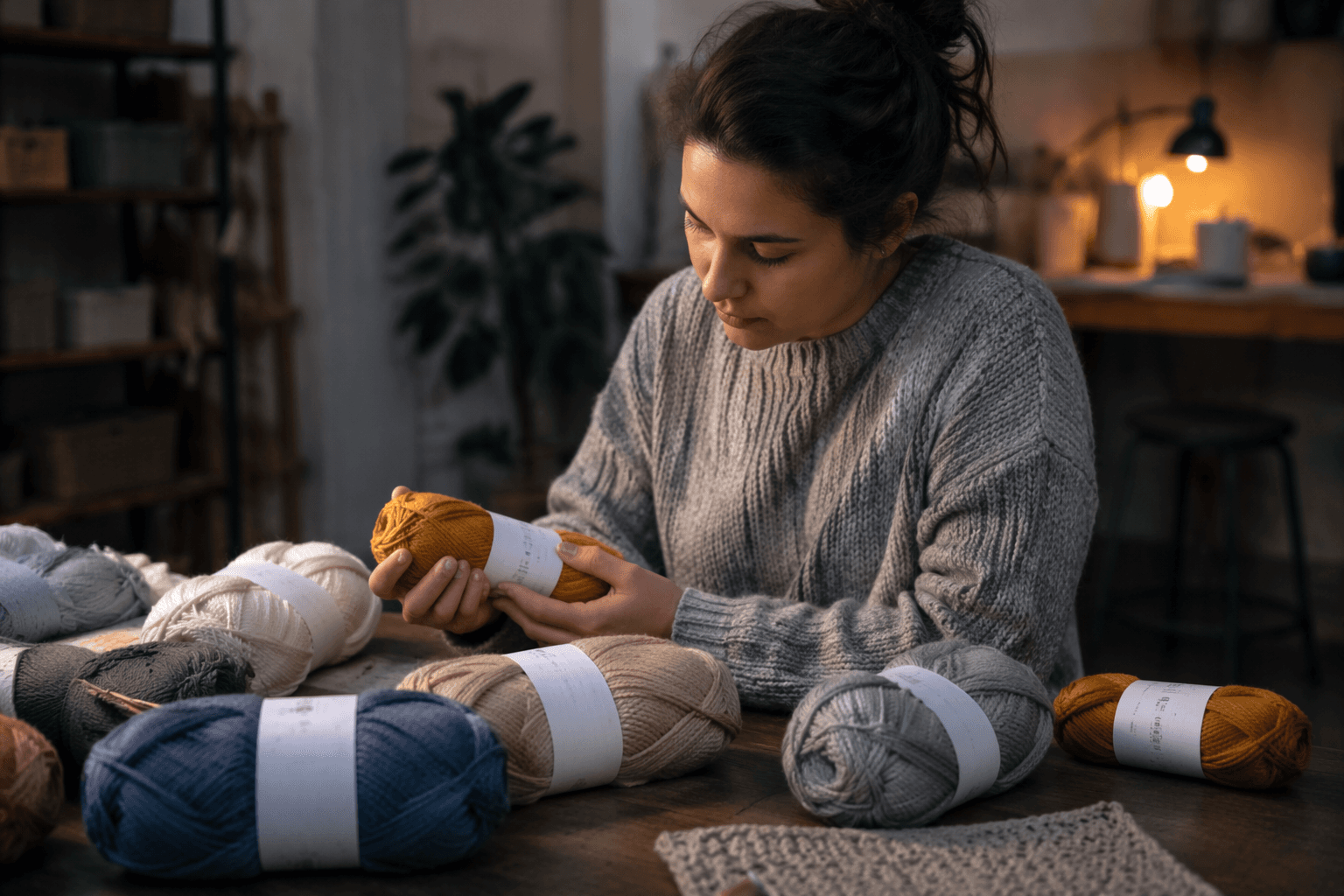
The most practical habit is to read the ball band before you fall for the color. Look for weight 4, check whether the yarn is worsted or aran, and match the recommended hook range against the pattern’s gauge, not just its suggested hook size. Then ask what the project needs from the fabric: washability, warmth, crisp stitch definition, bounce, or drape.
- Choose acrylic when you want low-fuss care and dependable softness for blankets or baby items.
- Choose cotton when you want breathable, crisp fabric for dishcloths or warm-weather wear.
- Choose wool blends when you want warmth with stretch and recovery.
- Choose bamboo when you want a smoother, drapier fabric for scarves or light tops.
A simple buying framework helps:
This article was produced by Prism’s automated news system from verified source data, official records, and press releases, then run through automated quality and moderation checks before publishing. The system is built and supervised by the people who set the standards it runs under. Read our full AI policy.
Did this article answer your question?