Charleston Belt crochet pattern adds handmade style to warm-weather outfits
The Charleston Belt turns a quick crochet project into a warm-weather wardrobe upgrade, with waist-shaping style, little yarn, and big outfit payoff.

A strip of crochet can change the line of a whole outfit, and the Charleston Belt does it without the weight of a sweater or shawl. Posted on June 28 as a free pattern on Joy of Motion Crochet, the guest-designed accessory from Veronika Cromwell is built for warm days when you still want a handmade finish.
A small project with real wardrobe reach
The Charleston Belt sits in the sweet spot between practical and polished. It is not a full garment, which is exactly why it works so well for crocheters who want a fast result and a visible style shift. Cromwell frames the belt as the answer to the familiar problem of wanting to wear crochet without adding warmth, turning an accessory into the simplest way to bring handmade texture into a summer outfit.
That makes the pattern especially appealing for anyone who likes projects with immediate payoff. A belt takes far less yarn and time than a cardigan or wrap, but it can still make a plain dress, skirt, or top feel intentional. Joy of Motion Crochet positions it as a free pattern in a library that spans women’s clothing, accessories, and home decor, so the Charleston Belt lands naturally in a space where small make-ahead pieces carry real wardrobe value.
Why the Charleston Belt works on the body
Cromwell’s design notes make the styling purpose clear: this belt is meant to be worn for both dressing up and casual outfits. The key detail is shape. By emphasizing the waist, the belt adds structure to loose summer clothes and gives simple silhouettes a more finished line.
That is a big reason belts keep showing up in crochet publishing. Across major craft sites, crochet belts are repeatedly presented as quick accessories that use minimal yarn, can be worn at the waist or the hips, and are useful for elevating everyday looks. Interweave has published multiple crochet belt patterns as well, which shows that this is not a one-off idea but a category with staying power in crochet pattern design.
The yarn choice is doing real work here
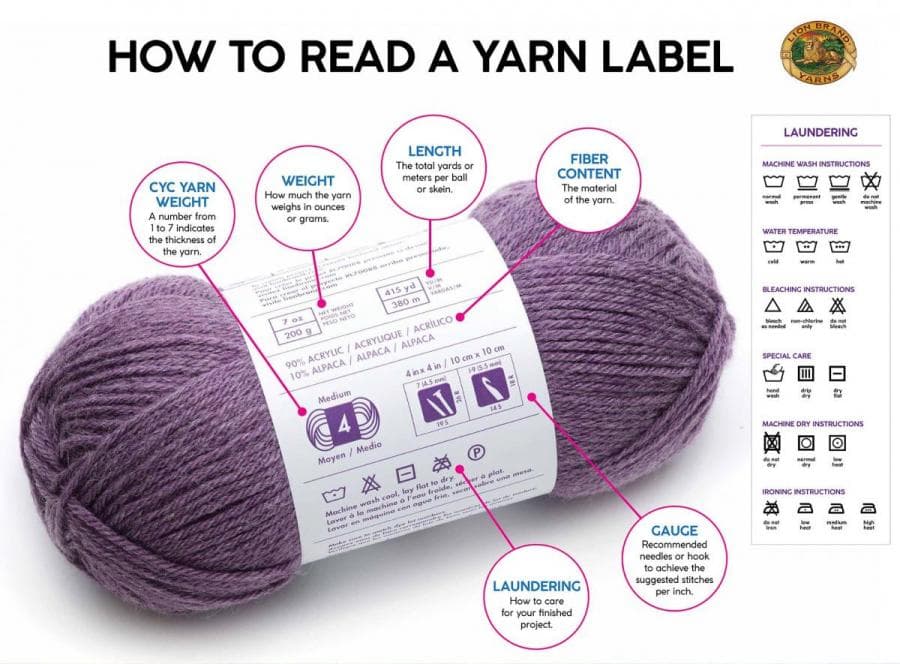
The Charleston Belt relies on stitch definition, so the yarn matters as much as the shaping. Cromwell used Cygnet Cottony DK, a cotton-acrylic-viscose blend made up of 46% cotton, 46% acrylic, and 8% viscose. The yarn’s spiral twist gives it a gentle lustre and an excellent stitch definition, which suits an accessory where texture needs to read clearly.
Cromwell also recommends pure cotton as a substitute if needed, and that advice fits the structure of the pattern. Cygnet Yarns says its 100% Cotton yarn offers beautiful stitch definition and a perfect drape for lightweight crochet projects, which makes it a strong stand-in when crisp stitch clarity matters. The company also describes Cygnet DK as one of its most popular lines, available in more than 60 shades, and that wide color range opens the door to everything from neutral belts that blend quietly into an outfit to brighter versions that act as the focal point.
How to wear it without overthinking the outfit
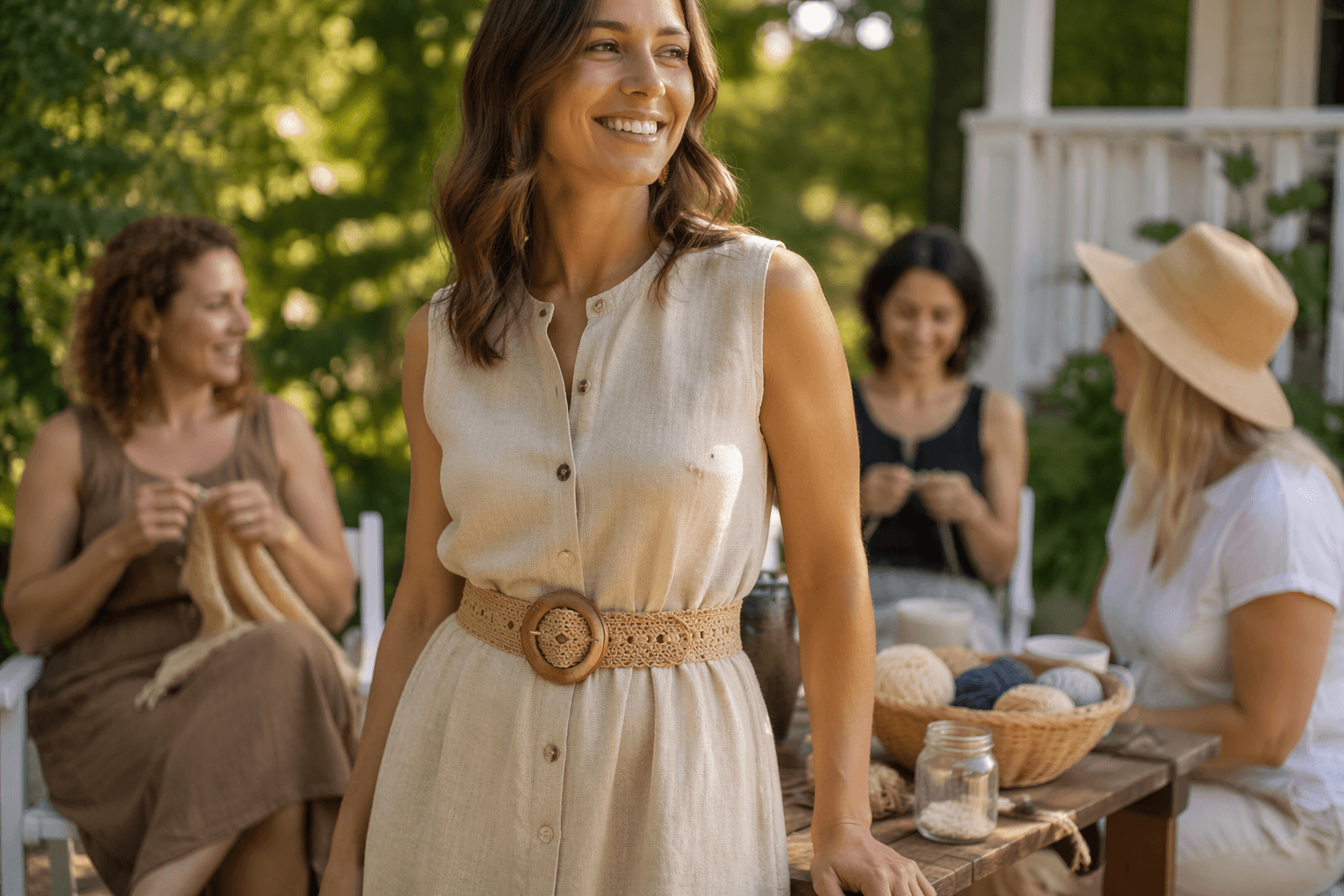
The most useful thing about a crochet belt is how easily it slips into an existing wardrobe. A soft, handmade belt can be tied over a sundress to create a more defined waist, looped around a simple top and skirt to add texture, or used to make a casual outfit feel more complete. Because the Charleston Belt is designed as a finishing touch rather than the main event, it works best when the rest of the outfit stays simple enough to let the stitchwork show.
That versatility is part of the broader appeal of accessory patterns right now. They let crocheters make something wearable without committing to the yarn cost or construction time of a full garment. The Charleston Belt is especially good for makers who want a project that feels fashion-forward but remains practical enough to wear often.
A designer with a strong crochet track record
Veronika Cromwell brings a recognizable crochet voice to the pattern. She is the force behind Blue Star Crochet, founded bluestarcrochet.com in 2020, and her author bio places her in the Cotswolds, UK, with her family. Her work has also appeared in UK crochet magazines, which adds context to why the pattern feels polished rather than experimental.
Joy of Motion Crochet gives the pattern a fitting home. The site describes itself as a crochet blog for beginners, experts, and everyone in between, and its pattern archive now includes more than 510 free crochet patterns. In that setting, the Charleston Belt reads as part of a much larger free-pattern ecosystem, where smaller projects sit alongside clothing and home makes with the same practical purpose: getting useful, attractive crochet into regular life.
Why this kind of pattern keeps catching on
The Charleston Belt reflects a bigger shift in handmade dressing. Instead of asking crocheters to spend weeks on a large garment, it offers a fast, wearable project that changes the feel of clothes already in the closet. That is a strong proposition in warm weather, when heavy layers are out of the question but a bit of texture can still sharpen an outfit.
It is also why accessory patterns keep gaining traction in crochet spaces. They are quick, adaptable, and immediately useful, and the Charleston Belt shows how far a small strip of well-chosen stitches can go. When a simple belt can add shape, polish, and a handmade signature without the bulk of a sweater, it becomes more than an accent piece and turns into one of the smartest projects on the hook.
This article was produced by Prism’s automated news system from verified source data, official records, and press releases, then run through automated quality and moderation checks before publishing. The system is built and supervised by the people who set the standards it runs under. Read our full AI policy.
Did this article answer your question?