Classic Crochet V Stitch Tutorial Promises Versatile, Beginner-Friendly Projects
The V stitch earns its keep as a simple, flexible build-your-library stitch, with airy texture, easy repeats, and room for blankets, shawls, bags, and more.
Why the V stitch still matters
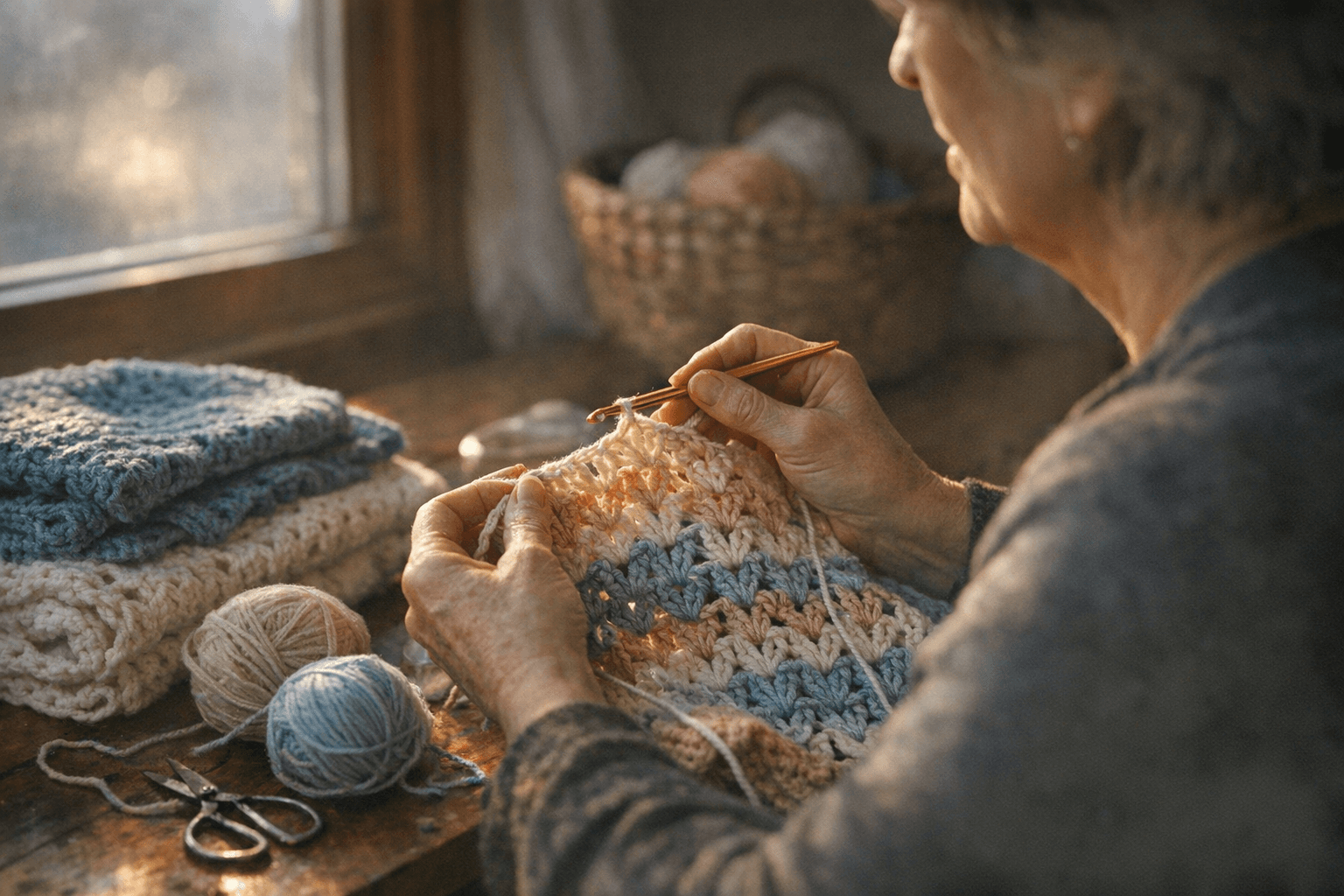
The V stitch is one of those crochet patterns that pays you back fast. It works in a simple one-row rhythm, builds a light, lacy fabric, and gives you a stitch you can carry from a first practice swatch into real projects without having to relearn the basics every time. That mix of ease and flexibility is exactly why it belongs in your regular toolkit.
What makes it especially useful is how broad it is in practice. The same stitch can be pushed toward a clean, modern look in one color or turned playful with stripes and color changes, and it adapts well to different yarn weights and fiber types. That means you are not learning a novelty stitch for one throwaway project. You are learning a foundation you can reuse.
Where the V stitch shines
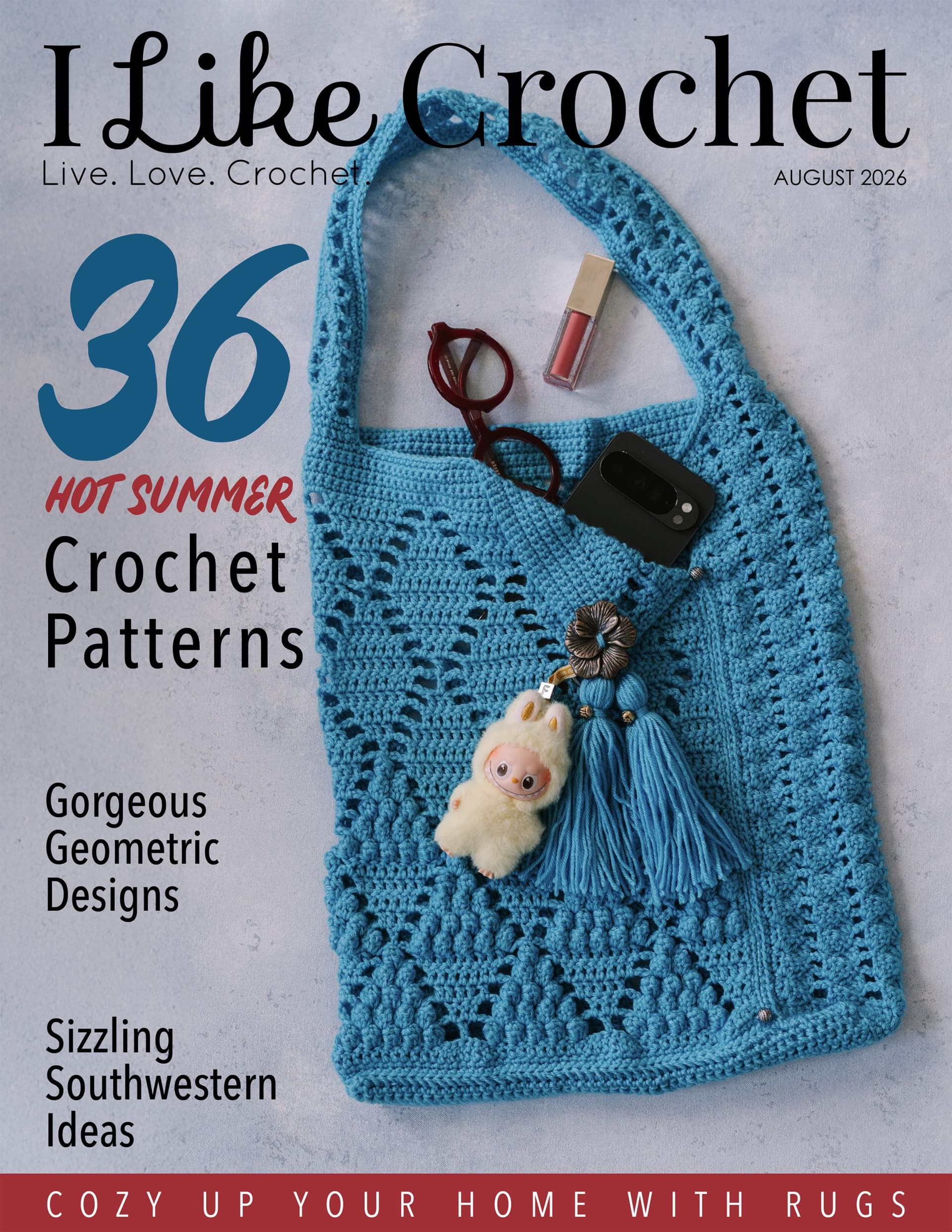
The best thing about the V stitch is that it does not lock you into one kind of finished object. It has already proven itself across blankets, market bags, scarves, and shawls, which tells you a lot about its range. In a blanket, it gives you drape and openness without looking sparse. In a market bag, the airy structure keeps the fabric from feeling too heavy while still giving the piece visual interest.
That same texture is what makes the stitch so appealing for garments and accessories. Shawls want movement, scarves want softness, and the V stitch gives both without becoming fussy. It has just enough structure to feel intentional, but not so much density that the finished fabric turns stiff or bulky.
What beginners usually get wrong
The V stitch looks straightforward, but the two places people trip up are spacing and tension. If the chain spaces are too cramped, the fabric loses the open look that makes the stitch worthwhile. If they are too loose, the whole piece can start to sag and lose shape, especially in larger projects like shawls or blankets.
Tension matters just as much. Keep it even and you get the crisp little V shapes that make the fabric read clearly. Pull too tight and the stitch starts to fight you, especially when you are working into chain spaces. Leave it too loose and the rows can wander, which makes the pattern look less polished than it should.
The setup that makes the stitch beginner-friendly
This tutorial is built for crocheters who have the basics down and want something manageable that still feels like a real project stitch. The sample uses a 5 mm hook, standard crochet terminology, and a foundation chain that follows a multiple of 3 plus 4. That chain formula is a big part of why the stitch is easy to trust: once you know the count, you can start almost any project with the same simple math.
The row-by-row structure also helps. The first row gets you into the pattern, and after that the repeat settles into a steady rhythm. That predictability is valuable when you are still building confidence, because you are not constantly checking a complicated chart or trying to memorize a tangled sequence of stitches.
How the repeat builds the fabric
The V stitch earns its name from the shape it creates, and that shape is what gives the fabric its openwork look. As the rows stack up, the stitch pattern forms a light, lacy texture that feels decorative without being delicate in a fragile way. It is the kind of fabric that still looks good when you zoom in on the stitch detail, but also reads beautifully from across a room.
That balance is why the stitch travels so well between projects. A blanket can use the same repeat and feel cozy rather than overly dense. A shawl can use it and feel airy rather than flimsy. The stitch does the same basic job each time, but the yarn and project shape change the personality of the finished piece.
Color choices that change the whole look
One of the quiet strengths of the V stitch is how well it handles color. Worked in a single shade, it can look modern, clean, and understated. Switch to multiple colors and it becomes livelier, more playful, and easy to stripe without complicating the stitch itself.
That makes the pattern useful if you like a lot of visual control. You can keep the focus on texture and let the stitch be the star, or you can use color changes to turn a simple repeat into something more expressive. Either way, the core pattern stays simple enough that the color choice does the heavy lifting.
Why a video tutorial helps
A written pattern is enough to get you through the V stitch, but the video tutorial adds a real advantage. It gives visual learners a way to check stitch placement, confirm tension, and see how the openwork shape should look as the rows build. That matters with stitches like this, where the difference between a neat repeat and a messy one often comes down to exactly where the hook goes in the chain space.
The visual layer also helps you catch small mistakes before they spread. If you are unsure whether your spacing is too tight or too loose, seeing the stitch worked in motion makes the pattern easier to read. For a stitch that is supposed to feel simple and repeatable, that extra clarity is worth having.
A stitch worth keeping in rotation
The real value of the V stitch is that it acts like a multiplier. Learn it once, and you get a pattern that can feed into blankets, market bags, scarves, and shawls without demanding a new skill set each time. That is the kind of stitch that earns space in your notebook because it keeps showing up in future projects.
If you want one classic crochet stitch that is easy to work, forgiving enough to practice, and flexible enough to reuse across different yarns and finishes, the V stitch delivers. It is not flashy for the sake of being flashy. It is useful, adaptable, and exactly the kind of building block that makes the rest of your crochet feel easier.
This article was produced by Prism’s automated news system from verified source data, official records, and press releases, then run through automated quality and moderation checks before publishing. The system is built and supervised by the people who set the standards it runs under. Read our full AI policy.
Did this article answer your question?