Crochet a summer top from two simple rectangles
Two rectangles turn garment fear into a first top you can actually finish, with simple seaming, flexible sizing, and a fit you can check as you go.
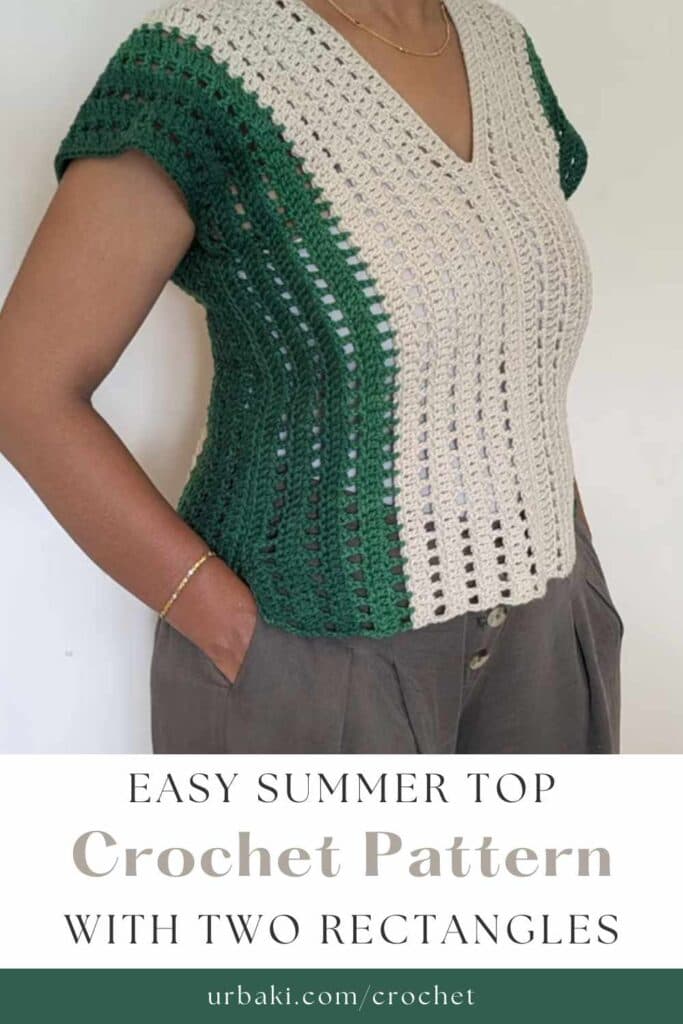
A summer top does not need darts, charts, or a week of fit anxiety. Sandra Regev’s guide strips the first garment down to two rectangles, then shows how simple seaming can turn them into an oversized, wearable top that feels far less intimidating than a shaped sweater. For anyone who has wanted to make crochet clothing but kept stalling at sizing, the appeal is immediate: work flat, measure to your own body, seam it together, and give yourself a first garment that feels finishable.
Why the rectangle trick works
The strength of this construction is that it removes the biggest fear point in garment crochet, fit. Instead of wrestling with graded decreases or dense shaping charts, you make two identical panels sized to your own bust width and desired length, then join them at the shoulders and sides while leaving openings for the neck and arms. That makes the process feel more like assembling than engineering, which is exactly why the method is so welcoming to a first-time clothing maker.
It also gives you a rare advantage while you work: you can hold the flat panels against your body before they are sewn up. That simple checkpoint takes a lot of the mystery out of sizing, especially for a summer top where you want ease and drape without overthinking every stitch. Sandra Regev’s point is clear throughout, if you can crochet a straight piece and sew a basic seam, you can make a top, and you may even finish it in a weekend.
What to choose before you cast on
The guide’s practical advice keeps the project grounded in a few decisions that matter most. Bust width and desired length are the two measurements that guide the whole piece, and that narrow focus is part of what makes the top feel manageable. Once you have those numbers, the rest of the construction stays pleasantly simple.
Yarn choice matters just as much as sizing, especially for warm weather. The recommended fibers are lightweight and breathable, with cotton, cotton blends, bamboo, and linen all fitting the brief. Those materials support the easy, relaxed look that makes a rectangle top feel like clothing instead of a rigid shape, and they help the finished piece stay comfortable enough for real summer wear.
- Measure bust width and desired length before you begin.
- Choose a breathable yarn with good drape.
- Work two flat panels to the same size.
- Seam the shoulders and sides, leaving armholes and a neckline.
A good first-garment plan usually comes down to this:
That is enough structure to keep the project focused without making it fussy.
What the wider pattern world is already doing
Regev’s approach fits neatly into a larger crochet trend that keeps showing up across beginner garment patterns. AllFreeCrochet’s Crochet Rectangle Top For Summer is built from two rectangles and comes in 9 sizes, while its Summer Top pattern uses the same super simple seaming method and stretches from XS to 5XL. The Gardenia Top follows the same logic with a comfortably oversized tee shape, two rectangles sewn together, and only a little collar shaping.
Yarnspirations is leaning into the same beginner-friendly formula. Its Free Beginner Caron Crochet Cocoon Top uses 2 simple rectangles to form a beautifully oversized top, and its Patons Straight to the Top pattern pairs simple shaping with Patons Linen for a fun and easy warm-weather project. Across these examples, the message is consistent: simple construction and breathable yarns are not a compromise, they are the design.
That matters because it gives beginners real options. You can find patterns that stay minimal, patterns that add just a touch of shaping, and patterns that scale up into inclusive size ranges without turning the project into a technical test. The result is a garment category that feels accessible instead of precious.
Why the shape is flattering and forgiving
The rectangle silhouette is not only easy, it is forgiving in a way that suits a lot of bodies. The oversized fit gives room through the torso, and the flat-panel construction makes it easier to aim for a shape that skims rather than clings. Because the pieces are worked to the wearer’s own measurements, the finished top can feel personal without demanding a complex fitting process.
That balance is why this kind of project has become such a strong gateway into crochet garments. It offers the satisfaction of making clothes, but it keeps the pressure low enough that the first attempt does not feel like a gamble. If you have ever admired handmade tops and assumed garments were not for you, this is the style that quietly disproves that.
A newer kind of crochet confidence
There is also a broader craft story behind the appeal of the rectangle top. Interweave notes that crochet’s early history is difficult to pin down because there are so few concrete examples and so many unanswered questions, and it points to slip stitching, or shepherd’s knitting, as a precursor. That means the highly accessible, pattern-driven garment tutorials filling today’s crochet world belong to a much newer era of instruction, one built around clear, repeatable formulas.
That newer era is good news for beginners. It means the path into garments can start with a project that is simple, breathable, and genuinely wearable, rather than one that demands advanced shaping from the first stitch. And that is exactly why two rectangles have become such a satisfying place to begin.
The real promise of this summer top is the same one that opens the door for every first garment maker: it takes the part that feels scariest, fit, and makes it visible, manageable, and surprisingly calm. Two rectangles are enough to turn that fear into something you can seam, wear, and finish.
This article was produced by Prism’s automated news system from verified source data, official records, and press releases, then run through automated quality and moderation checks before publishing. The system is built and supervised by the people who set the standards it runs under. Read our full AI policy.
Did this article answer your question?