Crochet and knitting surge as screen-free stress relief grows
Crochet is back because it is cheap, screen-free, and gives stressed hands a job. The real proof is in the numbers and the projects people keep finishing.

Why this old habit fits a very modern mood
If your brain is tired of glowing rectangles, crochet and knitting are the kind of hands-on reset that still feels useful after the TV is off. The pull here is not nostalgia alone. More than 50 million people already know how to knit, crochet, or craft with yarn, and the Craft Yarn Council says stress relief has ranked near the top of the reasons people stitch since the mid-1990s.
That is exactly why the hobby is showing up now as a low-screen, low-cost way to unwind at home. You do not need a big setup, you do not need a subscription, and you do not need to be chasing perfection to get something out of it. In crochet especially, the appeal is immediate: one small project can keep your hands busy, your mind occupied, and your evening away from doomscrolling.
What the research says about stress relief
The wellness pitch is not just marketing fluff. A January 2024 scoping review in Leisure Sciences identified 25 primary studies on needlecrafts and mental health and well-being, which is a stronger research base than a lot of people assume. In March 2024, the University of Gothenburg reported that knitting can bring calm and structure to people living with mental illness.
That does not mean a granny square is a substitute for care. It does mean the calming effect people describe has enough backing to take seriously. The value seems to come from the rhythm of the work, the repetitive motion, and the way a project gives your attention a place to land without demanding constant screen input.
What beginners actually need to begin
The Craft Yarn Council did not build its standards, beginner resources, and pattern guidance by accident. It grew those tools because interest in crochet and knitting became big enough to require clearer instructions and more uniform labeling. It has also worked with Scholastic and Jo-Ann Stores on school lesson plans and posters, which tells you this craft is being treated as something you can teach cleanly, not just something you inherit from family.
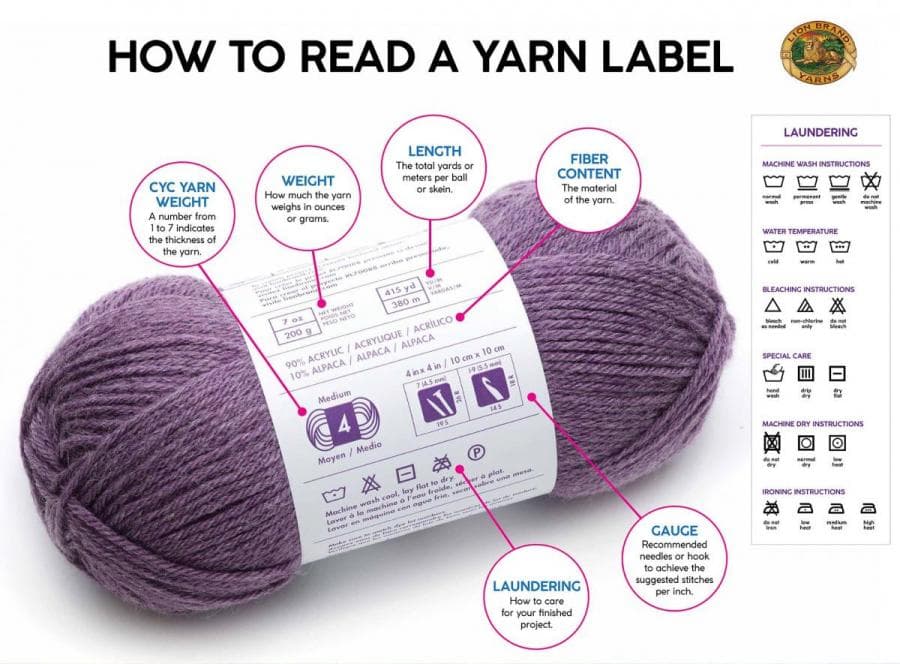
For a beginner, the smartest start is not the fanciest yarn haul. It is a pattern that is obviously written for new hands, a project with project-level guidance, and materials labeled in a way that does not force you to guess your way through the first row. The point is to remove friction early, because crochet sticks when the first hour feels encouraging instead of confusing.
A simple starter path usually looks like this:
- Pick one beginner-friendly pattern with clear instructions.
- Choose yarn with straightforward labeling and a texture you can actually see.
- Start with a project small enough to finish quickly, so the payoff arrives before the momentum fades.
- Use CYC-style beginner instructions or similarly plain guidance rather than jumping straight to an ambitious garment.
That approach matters because the hobby’s best entry points are practical, not aspirational. If the first project is too fussy, too vague, or too slow to show progress, the stress-relief promise gets lost before it ever kicks in.
Why crochet tends to stick when other hobbies fade
Crochet has a built-in feedback loop that makes it unusually good at holding attention. You see the fabric form row by row, you can feel the shape changing in your hands, and the work is modular enough that you do not have to wait weeks to know whether you are getting somewhere. That is a big part of why the craft works as screen-free self-care instead of just another thing to buy and abandon.
The projects that tend to land with readers and stitchers alike are the ones with an immediate payoff. A novelty make with a clever construction, like a chicken built from two granny squares, feels queue-worthy because you can tell at a glance what makes it special. The same is true for a bulky, fast project with real use around the house. Crochet does best when the shape, texture, or utility is obvious from the first look.
The numbers show this is becoming routine, not rare
The Craft Yarn Council’s own research summary says 84% of knitters and crocheters stitch at least three to four times a week, and 58% do it daily. That is not casual dabbling. That is a habit pattern, the kind that suggests yarn is becoming part of people’s regular stress management rather than a once-in-a-while diversion.
The same summary says 60% made a project for charity in the prior year, which is a useful clue about where the wellness story is going. People are not only crocheting to relax. They are turning that time into hats, blankets, squares, or other useful things that leave the house and do some good. The calming effect is translating into actual project choices, and that is one reason the hobby has staying power.
Who is stitching, and why the market still matters
A 2024 yarn consumer survey summarized by Craft Industry Alliance drew more than 7,000 respondents. It found an average yarn consumer age of 58 and a median age of 59. That makes the hobby look mature, but not stale. It is still broad, active, and large enough to support better patterns, better teaching tools, and clearer standards for people who are just arriving.
That is also why crochet and knitting are surfacing now as accessible, low-cost self-care activities rather than just nostalgic crafts. The audience is big, the motivation is durable, and the pressure points of modern life make screen-free hobbies feel less like a luxury and more like a practical reset. Crochet wins because it asks for very little at the start and gives back something tangible fast. In a noisy, overconnected day, that is a hard combination to beat.
This article was produced by Prism’s automated news system from verified source data, official records, and press releases, then run through automated quality and moderation checks before publishing. The system is built and supervised by the people who set the standards it runs under. Read our full AI policy.
Did this article answer your question?