Crochet cloak patterns span dramatic costumes, light layers and novelty gifts
Cloaks sit between shawls and capes, and the right construction turns them into drama, warmth or a clever gift.
Why cloak patterns keep pulling crocheters in
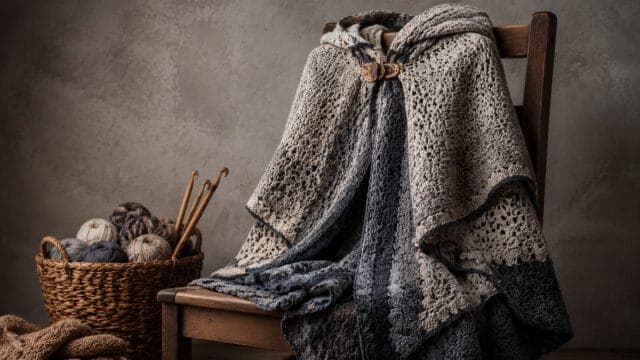
Cloaks land in a sweet spot that shawls, capes and ponchos do not quite cover on their own. Britannica defines a mantle or cloak as a loose outer garment worn over clothing, usually sleeveless and wrapped loosely around the body, while a poncho is a cloak-like garment made from a square or rectangle of cloth with a head opening. That overlap explains why crochet cloak patterns can feel practical, theatrical or a little of both.
The category also has real historical depth. Cloaks were once straightforward protection against cold, rain and wind, and their shapes shifted with fashion and available textiles. Fashion-history sources point to cloak and cape revivals across the 1900s, including the 1920s mantle cloaks and the 1930s cloak styles, with many later designs landing somewhere between a cloak and a coat. The result is a garment family that has always adapted to the moment without losing its core appeal.
Everyday layering that stops short of a full coat
For daily wear, the best cloak patterns are the ones that add warmth and movement without demanding the commitment of a full garment. That is where the middle ground matters most: a cloak can sit over a sweater, give more coverage than a shawl and still keep the silhouette open enough for easy layering. The lightweight end of the spectrum is especially useful when the goal is comfort rather than volume.
The mesh cloak pattern is a strong example of that kind of wearability. Its open structure and lightweight yarn keep the fabric from feeling heavy, which makes it a good fit for layering over ordinary clothes. In cloak design, that kind of construction choice is everything: a looser fabric changes the drape, keeps bulk down and makes the piece more likely to get worn instead of admired once and tucked away.
- Open stitches create airflow and reduce bulk.
- Lightweight yarn softens the drape and keeps the shape from feeling stiff.
- Made-to-measure sizing can make a cloak feel intentional rather than oversized.
- Longer hems and fuller width add drama, but they also add weight.
When you are choosing a pattern for everyday use, the most important details are the ones that affect how the garment sits on the body:
Those small decisions are what separate a comfortable layer from something that only works on a hanger.
When the cloak is meant to make an entrance
Some cloak patterns lean hard into silhouette, and that is where the category becomes especially fun for costume wear. The enchanted dog cloak pattern is the clearest example in the roundup of a design built for drama. Its hooded shape and triangular drape give it a strong outline, which is exactly what you want when the cloak is supposed to read as a fantasy accessory at first glance.
That kind of structure matters because a cloak is one of the few crochet garments where the shape does so much of the storytelling. A hood instantly changes the mood, while a triangular fall gives the piece a sharper, more deliberate line than a soft wrap. In costume and fantasy settings, that visual clarity is often more important than subtlety, and it is why cloak patterns show up so often in themed wardrobes and seasonal dressing.
Cloaks also benefit from that long history of revival. Because the shape has reappeared in different fashion moments, it can shift from practical outerwear to theatrical statement piece without losing its identity. For crocheters, that means the same basic garment family can support very different moods, from folk-inspired layering to full fantasy styling.
The novelty side of cloak-making
One of the most interesting uses in the roundup pushes the cloak idea into miniature form: the Traitors-style wine bottle cloak pattern. It turns a familiar garment concept into a small tailoring exercise for themed tables and gift presentation. That is a smart reminder that cloaks do not have to be about personal wear alone.
This is where the category becomes especially appealing for gifting. A cloak pattern can become a wearable layer, a display piece or a prop that frames another object with the same sense of shape and drama. The wine bottle version works because it translates the familiar look of a cloak into something playful and unexpected, which keeps the project from feeling like a simple novelty trick. It still depends on construction, just on a smaller scale.
Why the category keeps growing
The demand is not hypothetical. Etsy currently shows 900-plus crochet cloak-pattern listings, including hooded cloaks, fantasy-inspired capes and themed costume accessories. That kind of marketplace presence suggests that cloaks are not a one-off curiosity but a durable subcategory with room for different tastes, skill levels and uses.
That is ultimately what makes cloak patterns worth noticing now. They sit between shawls, capes and ponchos, but the best ones do more than borrow from all three. They use construction to decide whether the finished piece will be a lightweight layer, a dramatic costume, or a whimsical gift, and that flexibility is exactly why the cloak keeps finding new reasons to be crocheted.
This article was produced by Prism’s automated news system from verified source data, official records, and press releases, then run through automated quality and moderation checks before publishing. The system is built and supervised by the people who set the standards it runs under. Read our full AI policy.
Did this article answer your question?