Crochet hack weaves in yarn ends without a tapestry needle
A simple hook-only finish can tuck in yarn tails fast, neatly, and without swapping tools. It works best on small, textured projects, with extra care for heavy-use pieces.
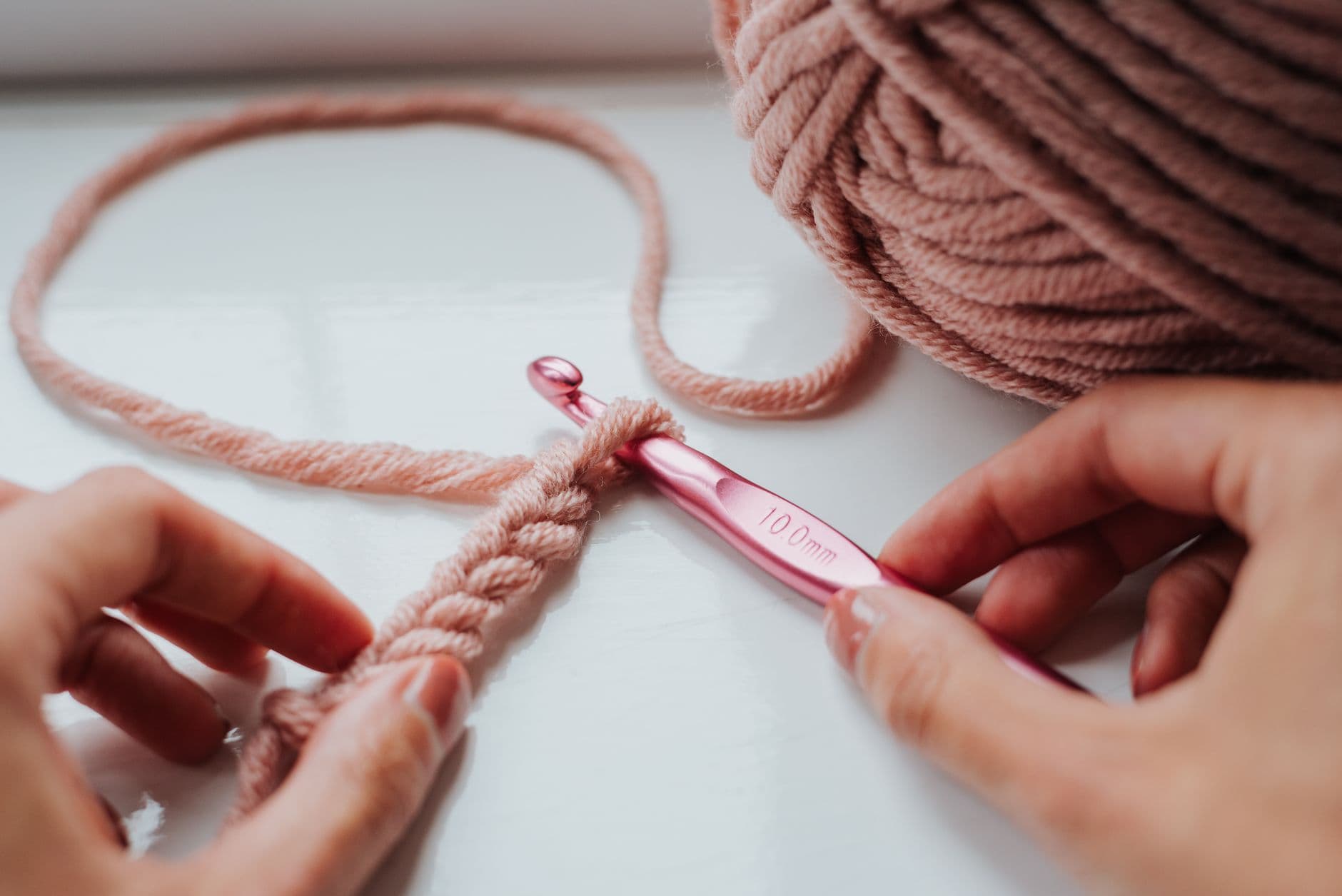
On July 12, 2026, Crochet Kingdom published a hook-only method for hiding yarn ends that skips the tapestry needle and lets you finish immediately with the tool already in your hand.
Why this shortcut keeps showing up
Weaving in ends is not optional cleanup, it is the part of finishing that keeps a project from loosening during wear, washing, or storage. That is why crochet educators keep returning to the same principle: distribute tension across several stitches instead of depending on one tiny knot. Sarah Maker warns that knots are not the strongest way to finish because they can work loose over time and leave hard bumps behind.
That same logic explains why the no-needle version keeps circulating across crochet blogs and video tutorials. A hook can step in when a tapestry needle is missing, when the stitches are tight, or when a maker simply does not want to stop and thread another tool. SweetGeorgia Yarns published a March 2025 tutorial on weaving in ends as you crochet using only a crochet hook.
How the hook-only method works
The Crochet Kingdom method is intentionally simple. After finishing a project, you use your crochet hook to travel through the backs of nearby stitches, catch the yarn tail, pull it through several stitches, and then trim the extra yarn. The point is not to bury the tail in one dramatic move, but to tuck it into the fabric in a way that blends with the stitch structure.
The finish has to do two jobs at once: disappear visually and hold up in use. Crochet Kingdom describes the method as fast, beginner-friendly, and usable without stopping to reach for a tapestry needle. For anyone who gets interrupted mid-project or dislikes switching tools during cleanup, the convenience is the whole advantage.
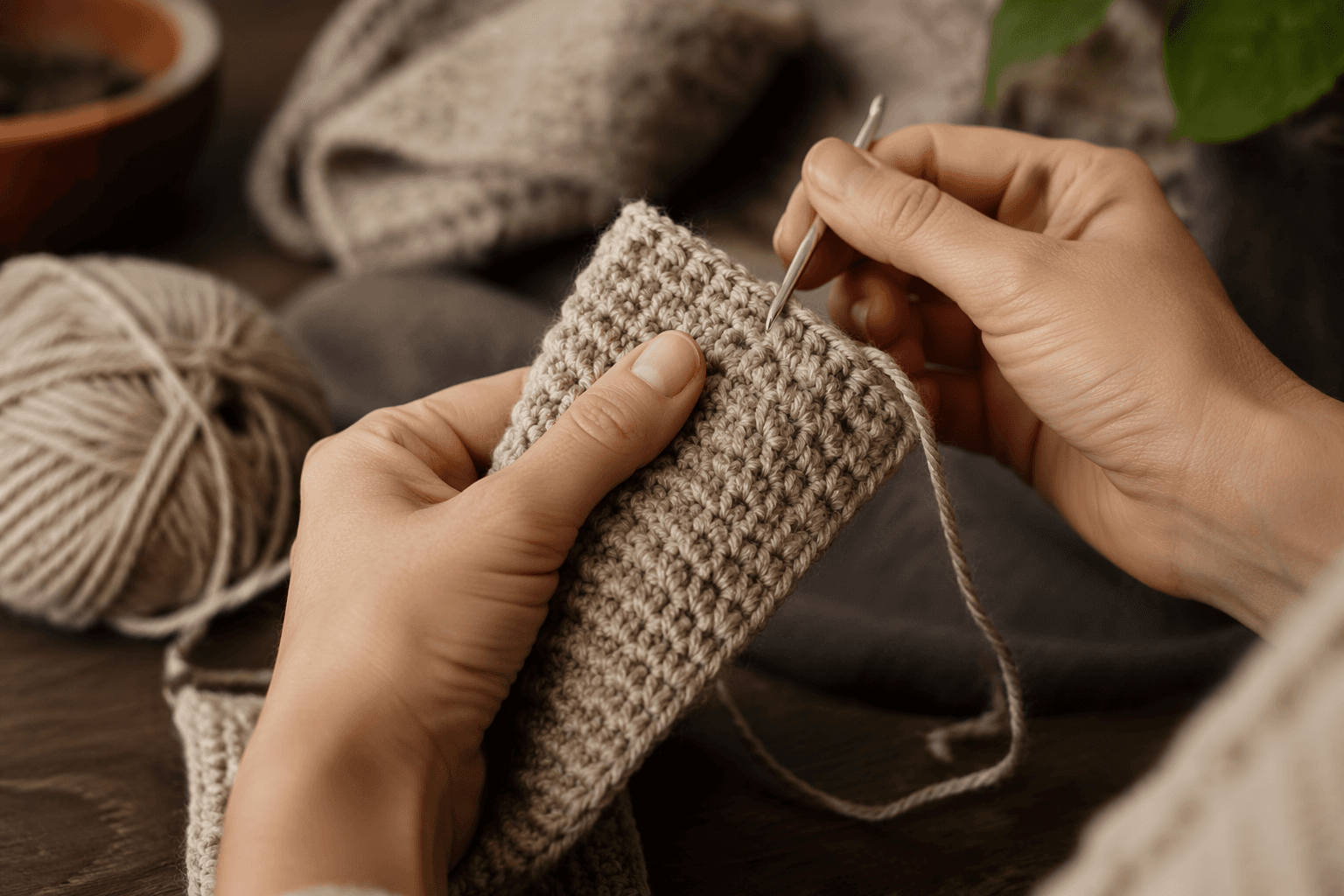
The method also keeps the finishing rhythm intact. Instead of laying the work aside to hunt for a needle, the crocheter can stay in the same motion and close out the project while the stitches are still fresh in mind. For small projects, that often means the difference between finishing right away and leaving tails for later, which is usually how tails pile up.
Where it works best
This shortcut is especially handy on projects that create lots of ends or repeated color changes. Crochet Kingdom specifically points to appliqués, granny squares, crochet flowers, coasters, blankets, scarves, hats, baby blankets, amigurumi, and home décor as good candidates.
It also makes sense on pieces where a tidy underside matters less than a secure hold. Granny squares, appliqués, and flowers often have layered or textured construction that can hide the tail naturally, while amigurumi and home décor pieces may involve frequent shaping or assembly that benefits from a quick finish. The hook-only method fits that workflow well because it lets you move on without interrupting the project to change tools.
The same goes for crocheters who like to finish while they are still in the flow of making. If you are working through a blanket border, closing out a scarf, or tying off a batch of coasters, the ability to weave as you go keeps the task from building into a separate, tedious step.
Where to slow down and use more security
The hook-only shortcut is useful, but it is not the right answer for every finish. Items that get washed often or see heavy use need more security, and Crochet Kingdom flags baby blankets and bags as examples where extra care matters. In those cases, the tail can be woven back in the opposite direction before trimming so the strand has a stronger hold inside the fabric.
That extra pass is worth the effort because it gives the yarn more points of resistance. It follows the same finishing logic that broader crochet instruction emphasizes, which is to spread tension over multiple stitches rather than trust a knot or a single short run. When a piece will be handled constantly, the margin for sloppy finishing gets smaller, not larger.
The same caution applies whenever the stitch structure is too loose to grip the tail well. A neat finish depends on the yarn being caught securely by the fabric, and if the stitch pattern does not offer enough texture, the safer choice is to spend the extra minute and reinforce it.
Why crocheters keep coming back to it
Crochet Kingdom calls its version quick and beginner-friendly. SweetGeorgia Yarns has shown the same no-extra-tools approach in a separate tutorial. Sarah Maker’s finishing advice reinforces that secure ends matter more than a neat-looking knot.
Beginners, left-handed makers, and anyone finishing at the kitchen table or in a project bag can use the hook already in hand and keep moving.
This article was produced by Prism’s automated news system from verified source data, official records, and press releases, then run through automated quality and moderation checks before publishing. The system is built and supervised by the people who set the standards it runs under. Read our full AI policy.
Did this article answer your question?