Crochet Coach helps beginners learn stitches, patterns and hook basics
Where a true beginner should start today is Crochet Coach. Its step-by-step lessons, hook basics, stitch guides and pattern videos take the panic out of that first chain.
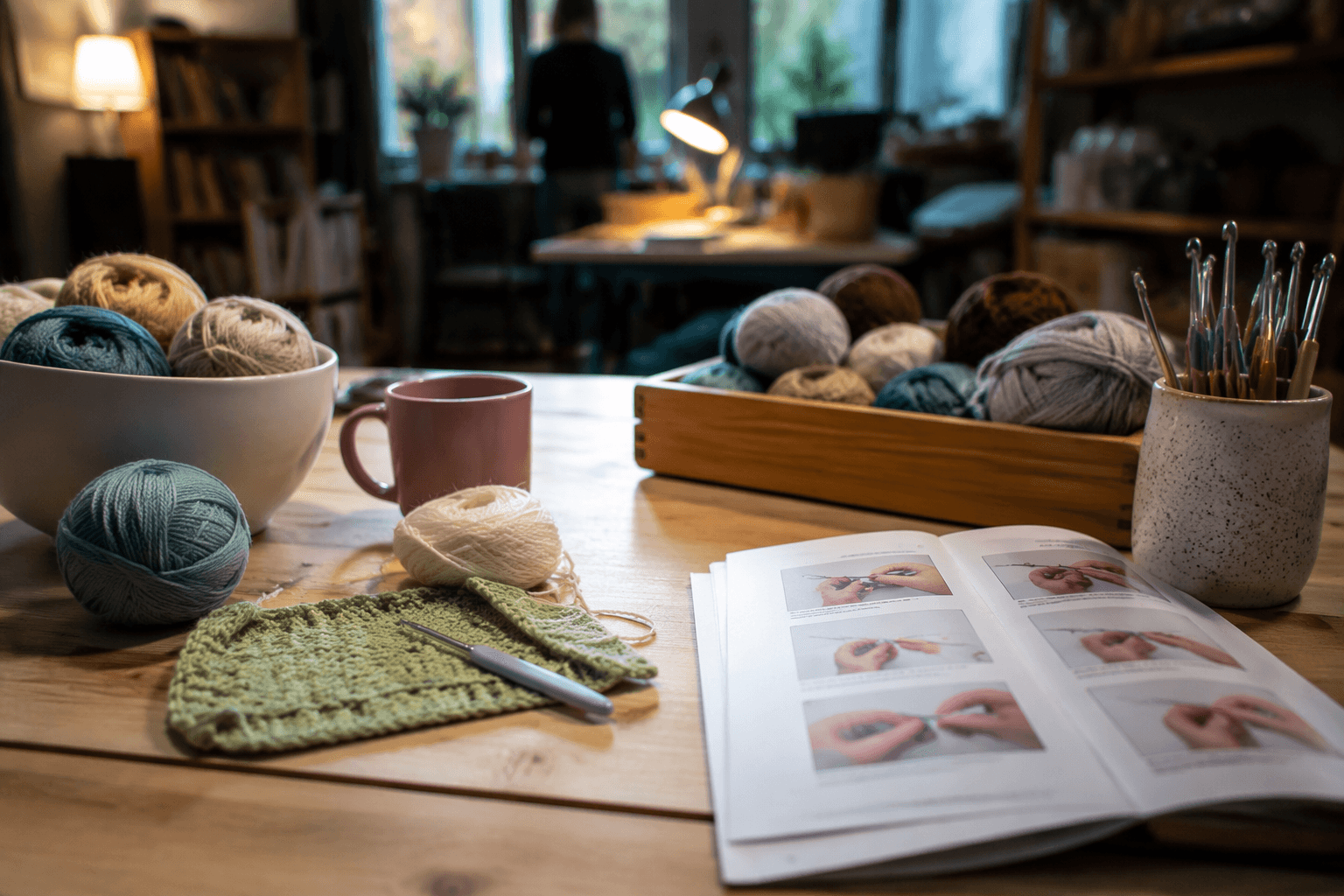
Where a true beginner should start today is Crochet Coach, because it does the most important thing a crochet hub can do: it breaks the craft into a sequence that feels usable on day one. Instead of dropping you into a wall of patterns, it points straight at lessons, videos, hook basics and beginner-friendly projects, which is exactly the kind of structure that keeps new crocheters from stalling out after the first awkward swatch.
Start with the basics, not the pattern pile
Crochet Coach’s homepage promise is clear enough to matter: step-by-step lessons, patterns, videos and resources for everyone from beginner to advanced, right down to the “what-the-heck is a crochet hook?” level of confusion. That tone is the right one for first-time learners, because crochet is usually less about artistic taste than about hand position, tension, hook placement and recognizing what each stitch is supposed to look like. If you can get those pieces in order, the rest of the hobby gets much easier.
The site’s beginner path is laid out in a way that makes sense for a newcomer. Pages like “Getting Started Learning To Crochet,” “How to Hold a Crochet Hook,” “What Are The Different Crochet Stitches?” and “Reading Crochet Patterns - A Beginner's Guide” show a curriculum that moves from setup to stitch language to pattern literacy. That is the exact order most people need, and it is far more useful than jumping straight to a blanket or amigurumi tutorial before you know how to hold the tool.
What Crochet Coach does well for a first project
The strongest thing Crochet Coach offers is not a single lesson, but a guided path. A beginner who can learn how to hold the hook, decode stitch names and follow pattern notes is much more likely to finish the first small project without feeling lost halfway through. That matters because a lot of new crocheters do not quit from lack of interest; they quit after trying to assemble instructions from random videos, half-explained abbreviations and pattern notes that assume too much.
One Crochet Coach page says that in the hub, all patterns have written instructions and videos to help you out if you get stuck. That mixed-format approach is the real win here. Some people need to read the row repeat slowly, some need to watch the motion, and many need both. Crochet Coach also nudges beginners toward a recent pattern, which is a practical way to avoid outdated shorthand and confusing fixes that linger in older writeups.
Why the hook-holding lesson matters more than it sounds
“How to Hold a Crochet Hook” sounds basic, but that is exactly why it belongs at the front of the line. Crochet beginners often get tripped up before they ever make a decent chain because the hook grip feels unnatural, the yarn slips, and every stitch looks different from the picture in their head. Crochet Coach’s guidance to place the hook in front of you on the table, pick it up and pretend you are going to crochet is simple, but it gives new hands a starting point instead of a lecture.
That kind of instruction reduces the intimidation factor in a way polished pattern photos never will. A newcomer does not need a clever project first; they need the mechanics to stop feeling foreign. Once the hook feels manageable, the learning curve starts to flatten fast.
The wider beginner ecosystem confirms the same need
Crochet Coach is not operating in a vacuum. Bella Coco’s “How to Crochet for Absolute Beginners | Episode One,” posted on 2019-02-24, teaches what materials to get, how to prepare yarn, how to make a slip knot, how to hold the hook and yarn, and how to chain stitch. simplydaisy’s “How to Crochet for Absolute Beginners: Part 1,” posted on 2015-03-16, similarly centers beginner materials and first stitches. Those two tutorials show how the strongest beginner content does not rush the viewer; it slows everything down and builds from the first loop.
Meema Makes followed the same playbook on 2024-11-29, framing crochet instruction as slow, calm and suitable for people who have never picked up a hook before. That phrasing tells you what beginners actually want: permission to go slowly. Crochet Coach fits that demand by keeping the learning path structured instead of scattershot.
Pattern libraries only help if they are searchable and forgiving
A beginner-friendly hub becomes much more valuable when it connects lessons to a usable pattern library. Crochet.com’s pattern directory lists 436 free crochet patterns and filters that include 80 beginner patterns, which shows how much demand exists for approachable first makes. That kind of catalog matters once you are ready to move past practice chains and into something with a shape and purpose.
Crochet Coach’s setup is appealing because it aims to bridge that gap instead of forcing you to leave the lesson environment too early. The site’s written instructions plus video support give beginners a place to practice reading crochet language before they are expected to navigate a bigger pattern archive on their own. That is the difference between a learning hub and a content dump.
The larger craft landscape still points beginners toward education first
The Craft Yarn Council has educational material explicitly titled “Learn to Knit and Crochet,” and that plain-language title says a lot about how this craft gets taught successfully. Crochet sits inside a broader ecosystem that includes Lion Brand Yarn, LoveCrafts, Yarnspirations, AllFreeCrochet, Daisy Farm Crafts and Reddit’s r/crochet beginner guide, all of which reinforce the same lesson: people want accessible instruction, pattern terms they can decode and enough support to finish the first project.
That is why Crochet Coach feels relevant as an on-ramp. Crochet has always attracted people who want to make something real with relatively simple tools, but that promise only works if the first steps are calm and specific. A hub that starts with hook grip, stitch names, pattern reading and video backstops is doing the exact job a beginner needs most.
Crochet Coach earns a bookmark because it treats the beginner phase like a sequence, not a test. If you are standing at the start of crochet today, that is the kind of setup that gets you from “I want to learn” to a finished first piece without making the process feel bigger than it is.
This article was produced by Prism’s automated news system from verified source data, official records, and press releases, then run through automated quality and moderation checks before publishing. The system is built and supervised by the people who set the standards it runs under. Read our full AI policy.
Did this article answer your question?