Crocheters debate when to swatch, and when to trust yarn instincts
Swatch before garments, yarn swaps, and any fiber that grows after washing. For amigurumi and tiny makes, experienced crocheters can often trust the yarn instead.
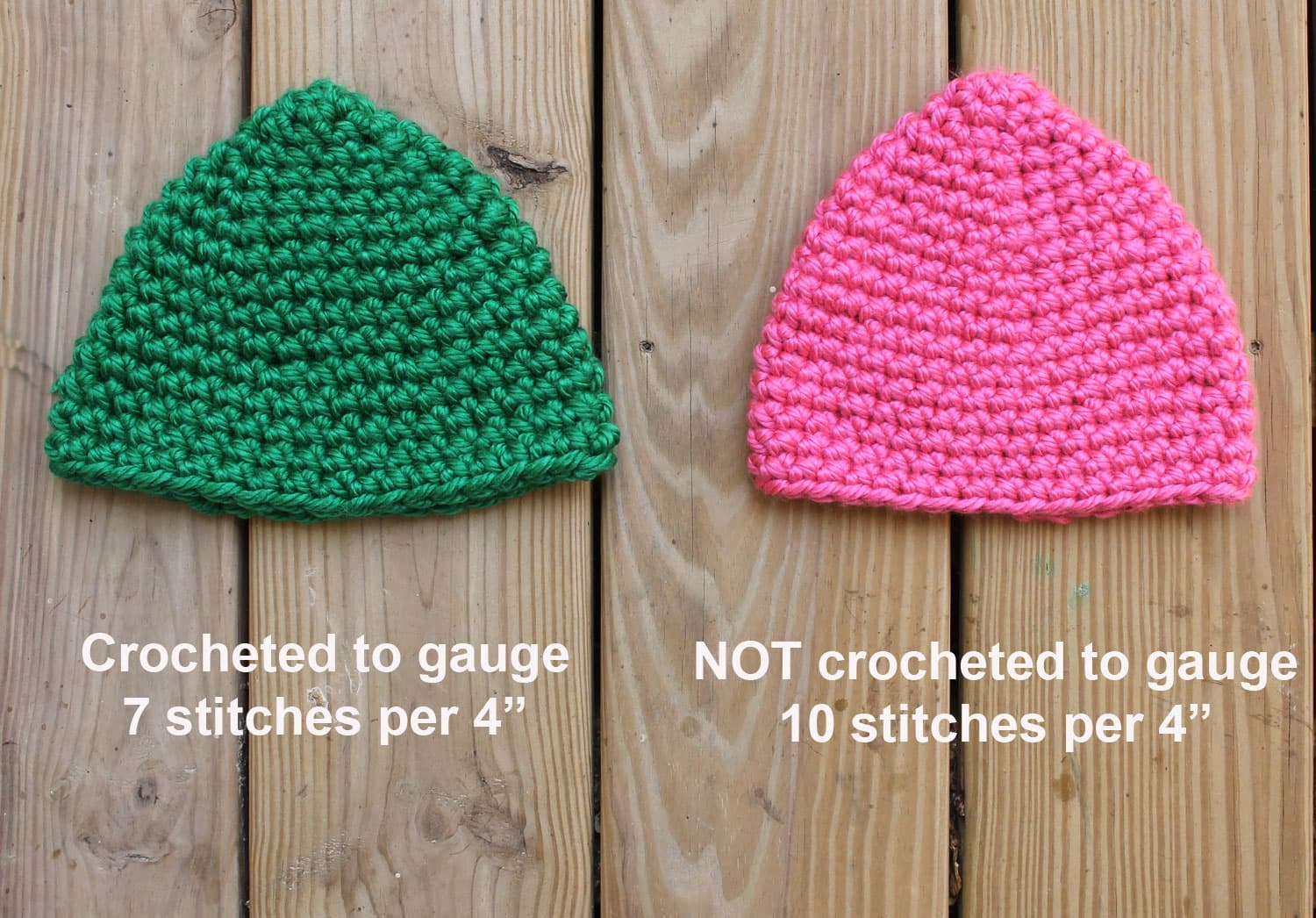
One Yarnsub wet-blocking example showed a swatch at 22 stitches per 10 cm before blocking and 20 after. Swatch when fit, yardage, or wash behavior can wreck the result, and trust your instincts when the make is small, forgiving, and easy to frog. The tension runs through the Ribblr discussion, from yarn development test pieces to the very practical question of whether a yarn feels good in the hand, holds up in small circular work, and behaves the way the pattern needs.
When swatching is non-negotiable
Garments and anything sized to a body are where gauge stops being optional. Whistle and Ivy is blunt on sized projects: a gauge swatch is truly necessary, and Ashley Little at Craftsy warns that skipping it can leave you with a sweater that does not fit or a project that runs out of yarn before it is finished. That is the core risk with wearables, cardigans, tops, and fitted accessories: a few stitches off per inch becomes a real problem by the time you reach the sleeves, hem, or neckline.
Gauge is the number of stitches and rows that fit into a swatch, usually measured in a 4-inch by 4-inch square; Dora Does defined it that way on April 3, 2019, and the point is to match the designer’s intended size. On April 10, 2019, Dora Does laid out how to make and measure a crochet gauge swatch, then returned to the subject on May 22, 2019 with a post on using gauge to calculate stitch and row count. By July 11, 2020, the focus had shifted to making crochet clothes fit.
Where you can usually skip it
The Ribblr thread draws a very clear line between fitted projects and the little things that can absorb a bit of chaos. Amigurumi, keychains, stress-ball style makes, and other small items are where many crocheters skip the formal swatch because a size drift is less risky and the piece can often be unraveled without much pain. One participant in the discussion said they would use whatever yarn looked pretty for a large freehanded messenger bag, then test more carefully once structure or pattern matching mattered.
A small round object is not asking to fit a human torso, and if the yarn choice does not work, you can usually rip it back and move on. The same is less true for a garment, where a bad gauge often means redoing hours of work or living with a fit you do not like.
Yarn choice is the real test, not just the label weight
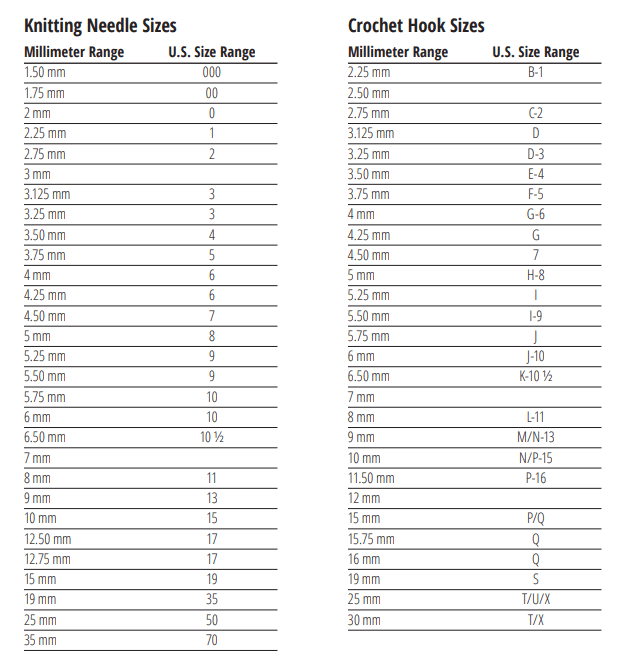
This is where the swatch becomes less about neatness and more about whether the yarn behaves in the fabric you actually want. The label does not tell the whole story when you are choosing a hook for a new yarn or a new pattern; KnitPro’s crochet hook guide is built around that problem. Dora Does’ January 11, 2020 yarn-substitution post and August 22, 2020 yarn-weights explainer both treat substitution as a fabric decision, not just a weight-class decision.
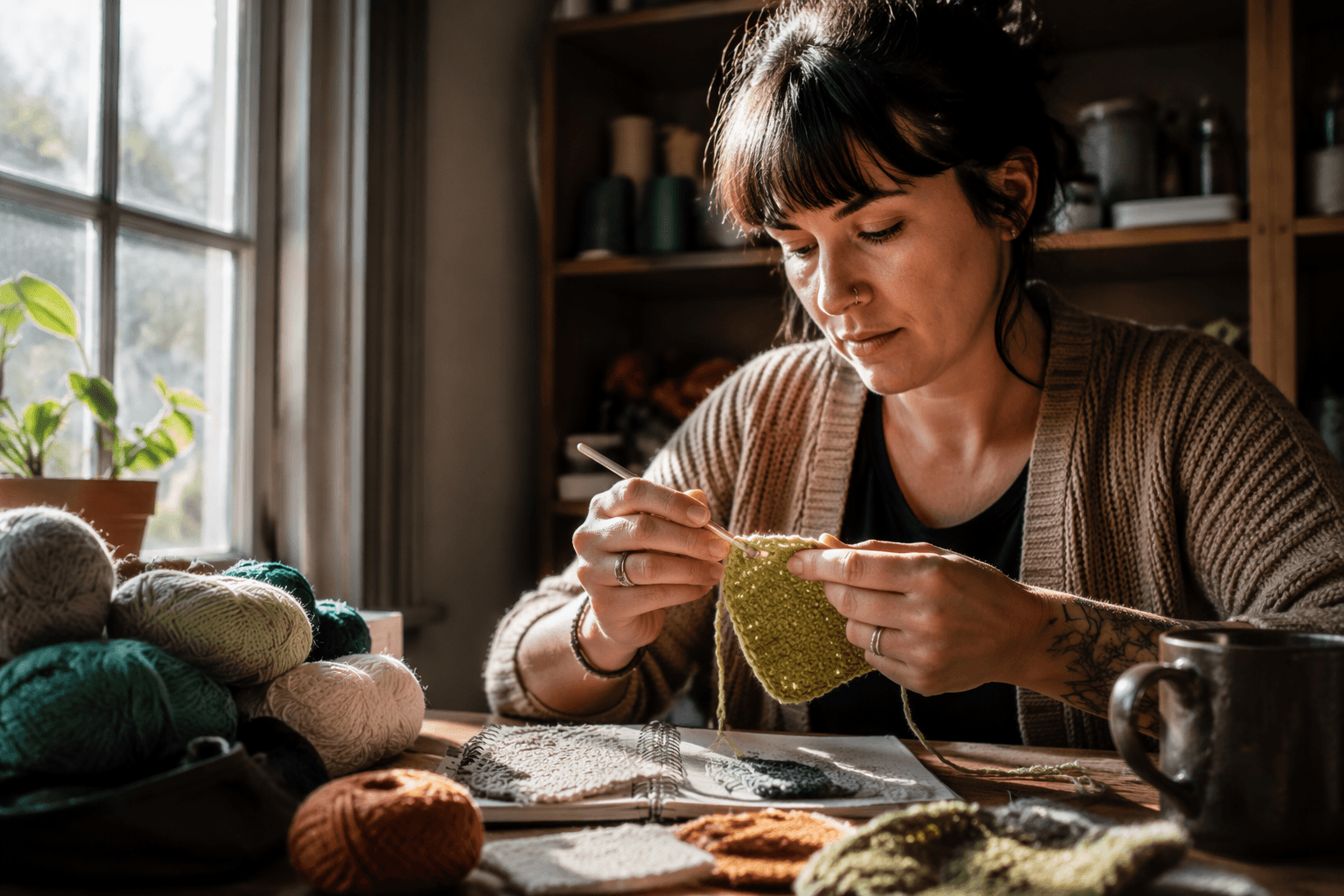
That matters when two yarns carry the same nominal weight but produce different drape, density, and stitch definition. Faux fur and chenille are classic troublemakers here: they can look fantastic, but they often behave differently in magic rings, increases, and tight stitch patterns, where visibility and grip matter. The practical question in the Ribblr discussion was whether the yarn still read clearly when it is pulled into a small circular fabric, or whether it fought you the whole way.
Wash, block, and then measure again
Post-wash growth is the other place where instincts need backup. Some swatches look right off the hook and change once they are washed and blocked, which is why so many makers check gauge again after finishing the fabric treatment they plan to use on the project. Yarnsub warned in that wet-blocking example that yarn can grow on its first wash.
That is also why blocking guides matter for swatches, not just finished pieces. Briana Kepner’s crochet blocking guide breaks the process into wet, steam, and spray methods, which gives you options depending on the fiber and the project. If you are making a garment, you want the swatch to go through the same treatment the final piece will see, because a fabric that relaxes after blocking can change both fit and yardage needs.
A practical swatch routine that saves rework
1. Make a swatch larger than the pattern’s exact measurement window, since a tiny square is easy to distort and hard to read accurately.
2. Wash or block it the same way you plan to treat the finished item, then let it dry fully before measuring.
3. Count stitches and rows in the pattern’s gauge area, then compare that to the designer’s gauge and adjust hook size or yarn before you commit to the full project.
That routine matters most when you are substituting yarn, moving between fiber contents, or making anything that has to land at a specific size. It is less important when the project is tiny, freeform, or easy to unravel. The same swatch that feels like a chore on an amigurumi head can save you from a sweater that pulls across the bust or a yarn choice that collapses into a dense, unreadable fabric.
This article was produced by Prism’s automated news system from verified source data, official records, and press releases, then run through automated quality and moderation checks before publishing. The system is built and supervised by the people who set the standards it runs under. Read our full AI policy.
Did this article answer your question?