Yarn.com guide helps crocheters choose the right hook size
One wrong hook can throw off gauge and strain your hand. Yarn.com's guide helps you match material, shape, and size to the project instead of the closest size in the bin.
If the tool does not fit your grip, your yarn, or your pattern gauge, you feel it fast in sore hands, wobbly tension, and fabric that will not behave.
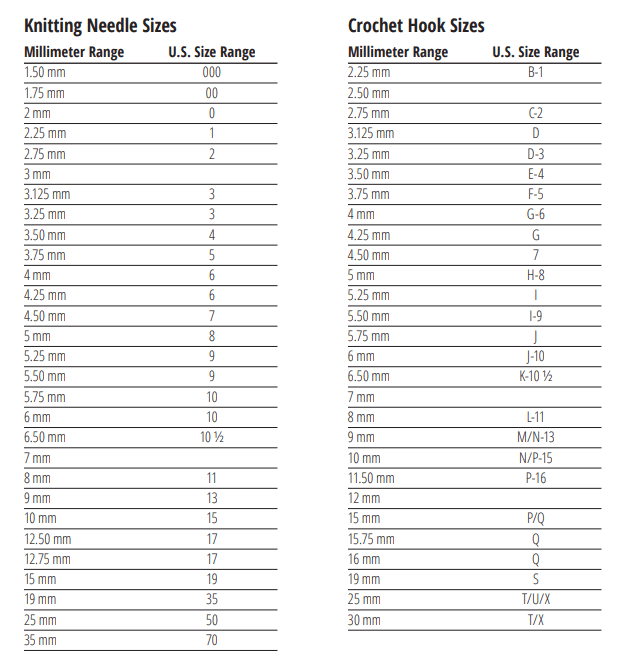
A June 30 Yarn.com guide includes a size conversion chart, recommended hook sizes, and a materials-and-shapes approach that treats the hook as part of the pattern, not just a notions-bin afterthought. That lines up with the Craft Yarn Council’s standard yarn weight system, which runs from 0 to 7, with 0 as lace yarn and 7 as the largest weight, and with the council’s long-running standards work to bring uniform labeling and pattern guidance to yarn, needles, and hooks.
Start with the problem your project is actually having
The clearest way to choose a hook is to ask what you need it to fix. If your stitches are too tight, the fabric is stiff, or your hand aches after a short session, the answer is usually not “buy a prettier hook.” It is to match the hook material and shape to the yarn’s behavior and to the way you hold it.
That is why size charts matter, but they are only one piece of the decision. The shared language across brands comes from the Craft Yarn Council’s yarn weights and hook-size standards.
Match the hook material to the yarn and to your hands
Aluminum hooks are the classic speed choice because they glide smoothly and hold up well over time. They make sense when you want easy pull-through and fast rhythm, especially on projects where a consistent pace matters more than extra grip.
Steel hooks are a different category entirely. They are generally used with crochet thread and lace-weight yarns, and the numbering runs in reverse from regular hooks, so the higher the number, the smaller the hook. That is the kind of detail that saves a lot of frustration when you move from standard yarn to fine threadwork.
Wood sits on the other side of the spectrum, giving you more warmth in the hand and more grip on the yarn. That can help if your yarn is slippery or if you need more control to keep tension even. Ergonomic handles aim at a different problem: they are built for comfort during longer sessions and can reduce strain when your hands or wrists start complaining.
Shape matters as much as size
Hook shape is not decoration. KnitPro compares inline and tapered hooks, a reminder that the way the head is shaped changes how the hook catches yarn and how naturally it sits in your hand. If you like more control and a steady feel, one shape may suit you better; if you value a quicker pull-through and a lighter touch, another may feel more natural.
That is also where ergonomic designs enter the picture. KnitPro’s Vybe ergonomic hooks are built around easy stitching. Furls builds its Streamline and Odyssey lines around ergonomic design and says the shape is meant to fit the hand and reduce strain and fatigue from repetitive motion. Furls also pairs that with different materials, including polished aluminum Streamline Metal hooks it says offer effortless glide and wood hooks it calls precise and hand-crafted.
Do not confuse millimeters with fabric
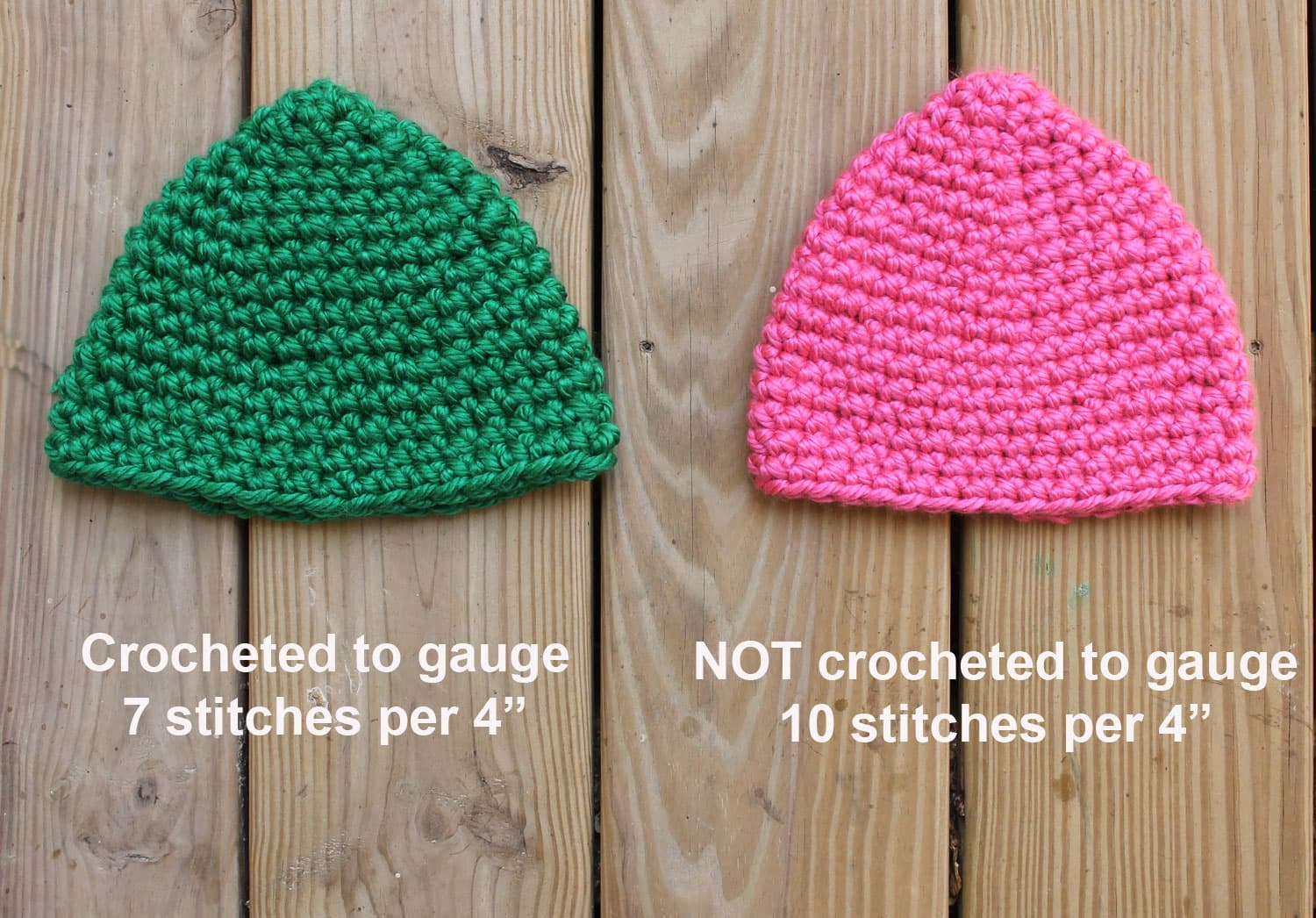
A 5 mm hook is not automatically the right hook just because a pattern mentions it. The same millimeter size can produce different results depending on how tightly you crochet, what fiber you are using, and whether you need drape or density. That is why crocheters should complete a gauge swatch and compare it to the pattern’s gauge information instead of assuming the number on the hook will solve everything.
The Yarn.com size conversion chart helps with another common trap: different labeling systems. When you move between regular hooks, steel hooks, and pattern instructions from different makers, a conversion chart keeps you from treating a size name like a universal truth. The Craft Yarn Council’s standards, compiled by publishers, fiber, needle and hook manufacturers, and yarn members, were built to make those labels and instructions line up more cleanly.
Avoid the three biggest buying mistakes
The first mistake is choosing a hook that does not match your grip. If your hand tightens around the tool, your speed drops and your tension gets inconsistent. That is exactly the moment for ergonomic handles and more comfortable shapes.
The second mistake is buying by aesthetics instead of project type. A beautiful resin or wood hook can still be the wrong tool for a dense amigurumi piece, a lace collar, or a garment panel that needs drape.
The third mistake is skipping the gauge swatch. Swatch first, then compare it to the pattern gauge when you need a sweater to fit, a toy to hold its shape, or a shawl to fall softly.
The right pairing depends on the project
For garment makers, the goal is usually drape and accuracy. A smooth aluminum hook can help keep the pace even, but the real test is the swatch, because your fabric has to match the pattern, not just the hook size on the label.
For amigurumi, tighter stitches and clean shaping matter most. A smaller hook, often paired with a material that gives you control, helps keep stuffing from showing through and keeps the pieces crisp. If you use thread or lace-weight yarn for tiny details, that is where steel hooks and their reversed numbering become especially useful.
For beginners, the best choice is usually the least fussy one: a comfortable hook, a clear conversion chart, and a willingness to swatch. A straightforward aluminum or ergonomic hook is often easier to learn with than a highly decorative shape, because you are trying to build consistent motion before you start chasing specialty finishes.
- If your yarn slips too much, try more grip from wood or an ergonomic handle.
- If you want speed and smooth pull-through, aluminum is the obvious place to start.
- If you are working thread or lace, reach for steel and remember the numbering runs backward.
- If your hands tire quickly, prioritize a handle shape that reduces strain before you worry about color.
This article was produced by Prism’s automated news system from verified source data, official records, and press releases, then run through automated quality and moderation checks before publishing. The system is built and supervised by the people who set the standards it runs under. Read our full AI policy.
Did this article answer your question?