Crochet mattress stitch helps hide seams for polished finishes
Mattress stitch is the seam fix that makes crochet pieces look finished, not pieced together. It hides joins on garments, blankets, and motifs with a clean, professional edge.
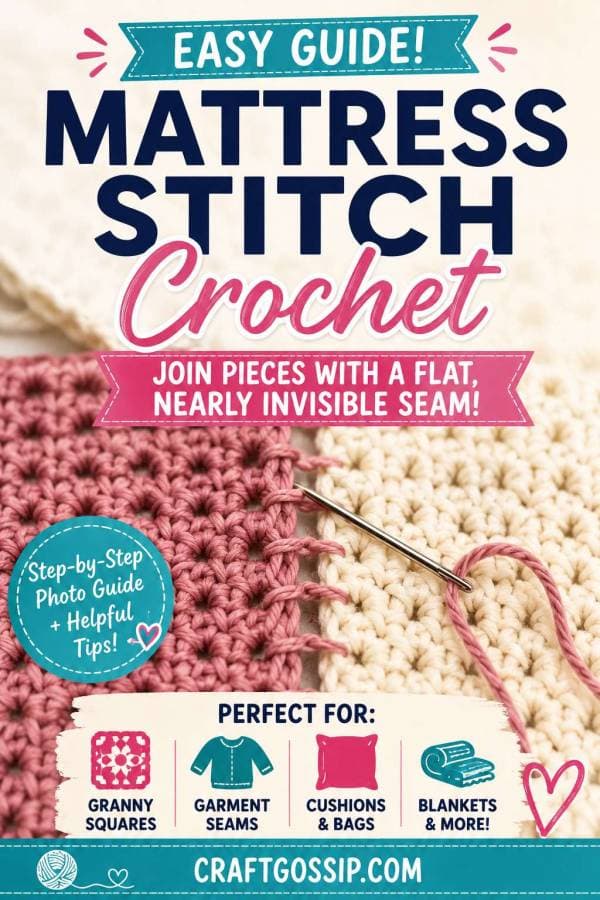
On blankets, garments, panels, and amigurumi parts, mattress stitch joins crochet pieces so the seam disappears as much as possible. If the crochet itself is beautiful but the finishing looks clumsy, this is the seam that fixes the problem.
Why mattress stitch earns its place
Shellie Wilson’s CraftGossip guide treats mattress stitch as a practical finishing skill, not a fussy extra. Seaming is often the moment a project stops looking like a stack of separate pieces and starts looking deliberate. A clean join changes how a blanket drapes, how a sweater reads at the side seam, and how a pillow or throw holds together at the edges.
CrochetHighway is blunt about the payoff: good seams add structure, polish, and a professional finish. You are not just hiding a line of yarn; you are changing the whole presentation of the piece so the edges blend instead of shouting that they were assembled later.
Where you actually use it
Seaming is most common when a project is built from separate motifs or panels. Yarnspirations uses it especially in blankets made from motifs and in crochet clothing, where sleeves and body sections are often worked separately and then joined. That is the exact territory where mattress stitch shines, because the stitch has to do more than hold pieces together, it has to make the join vanish into the fabric.
The same logic carries over to other modular crochet work: pillows, throws, bags, accessories, and amigurumi pieces that need clean assembly. Mattress stitch is beginner-friendly for those kinds of projects. Once you know how to line up the edges, it becomes one of those skills that keeps paying off project after project.
How the stitch works
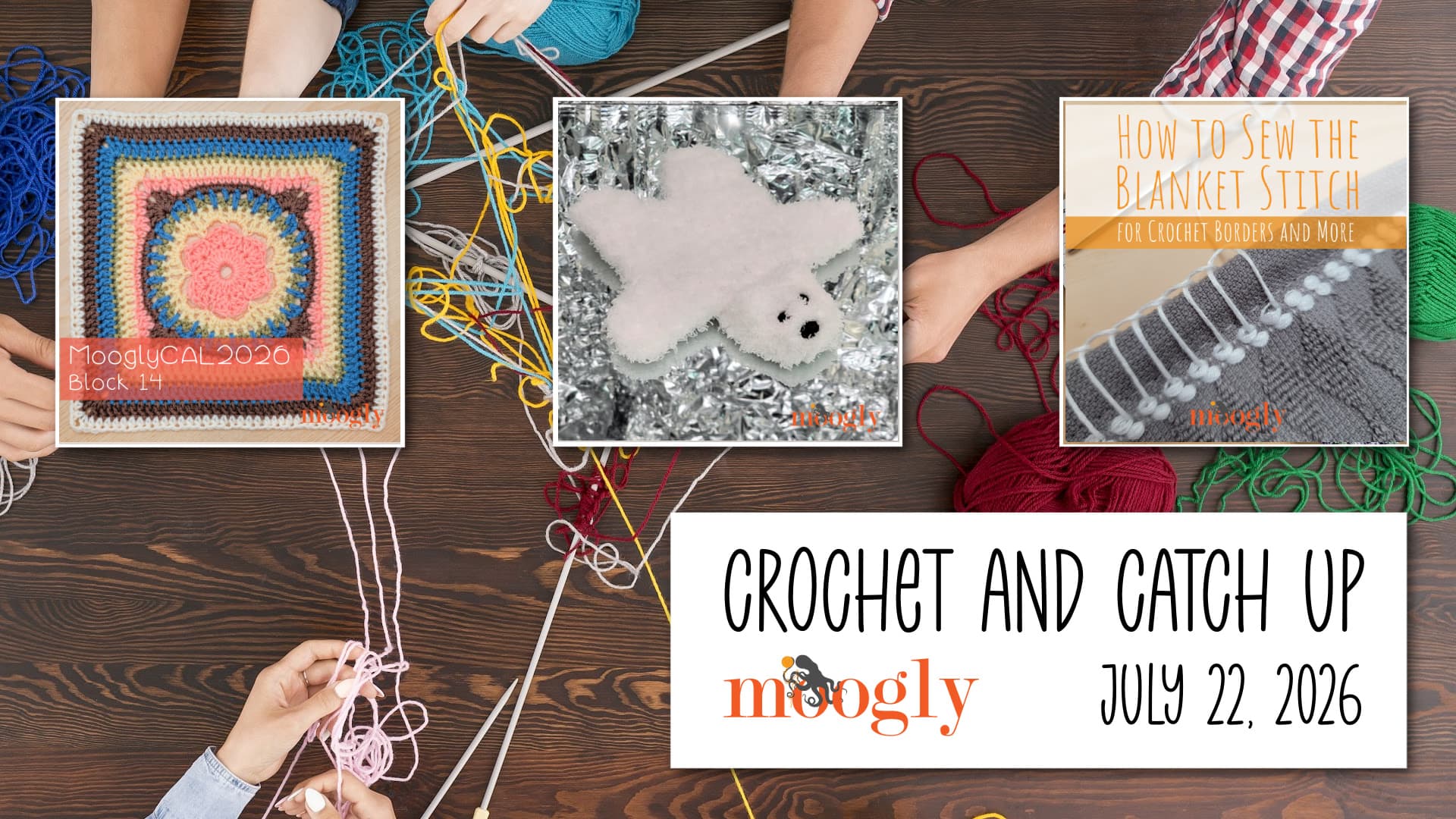
Moogly’s tutorial gets to the heart of the method: the key is to mirror what you do on one side or one piece with what you do on the other. That mirrored motion pulls the edges together evenly and creates the neat, almost invisible join people want when they say they want a “clean” seam.
In practice, that means you are not forcing two edges into each other. You are pairing matching points so the seam falls between the pieces instead of sitting on top of them. When the stitch is worked properly, the fabric keeps its shape, the join stays flat, and the line of the seam is much harder to spot than with a bulky whip stitch or a casual edge join.
What makes it different from an ordinary join
A lot of seaming methods simply close a gap. Mattress stitch does more than that because it is built to disguise the connection. It produces a neat, almost invisible seam, which is why it shows up so often in finishing discussions for garments and modular pieces.
If you are making a cardigan, a blocky tote, or a blanket with lots of joined sections, the seam can either become part of the design or disappear into it.
Why crocheters keep coming back to it
One reason mattress stitch keeps showing up in crochet and knitting tutorials is that it solves the same problem in both crafts: joining finished pieces without making the join the first thing your eye lands on. The stitch is used in knitting too, because the goal is identical across the two crafts, a smooth seam that does not interrupt the fabric.
It is not a novelty trick for one type of project. It is a finishing habit you can carry from crochet garments to knitted pieces and back again, especially when the goal is a clean visual transition instead of a decorative seam.
The projects that benefit most
Mattress stitch is especially useful when the maker wants the join to blend cleanly rather than stand out. That includes garments where a side seam or sleeve join can either sharpen the shape or wreck the drape, depending on how it is done. It also helps on blankets and throws made from motifs, where each square or panel needs to disappear into the whole rather than read as a separate patch.
It is just as useful on smaller constructions. Bags and accessories need seams that are strong enough to hold up and tidy enough not to distract from the stitch pattern. Amigurumi benefits too, because a clean join keeps limbs, ears, and body panels from looking tacked on at the end.
Getting the finish right
Mattress stitch upgrades the whole project without changing the actual crochet. You still need even tension, matched edges, and enough patience to line up the stitches correctly. The technique itself is straightforward once you understand the mirrored motion, which is why it shows up so often in beginner-friendly tutorials even though the result looks far more polished than a beginner seam usually does.
This article was produced by Prism’s automated news system from verified source data, official records, and press releases, then run through automated quality and moderation checks before publishing. The system is built and supervised by the people who set the standards it runs under. Read our full AI policy.
Did this article answer your question?