Crochet sunflower dish scrubby pattern promises quick, practical kitchen use
This 20-minute sunflower scrubby turns nylon yarn into a 4.5-inch kitchen tool that is cute enough to gift and sturdy enough for real cleanup.

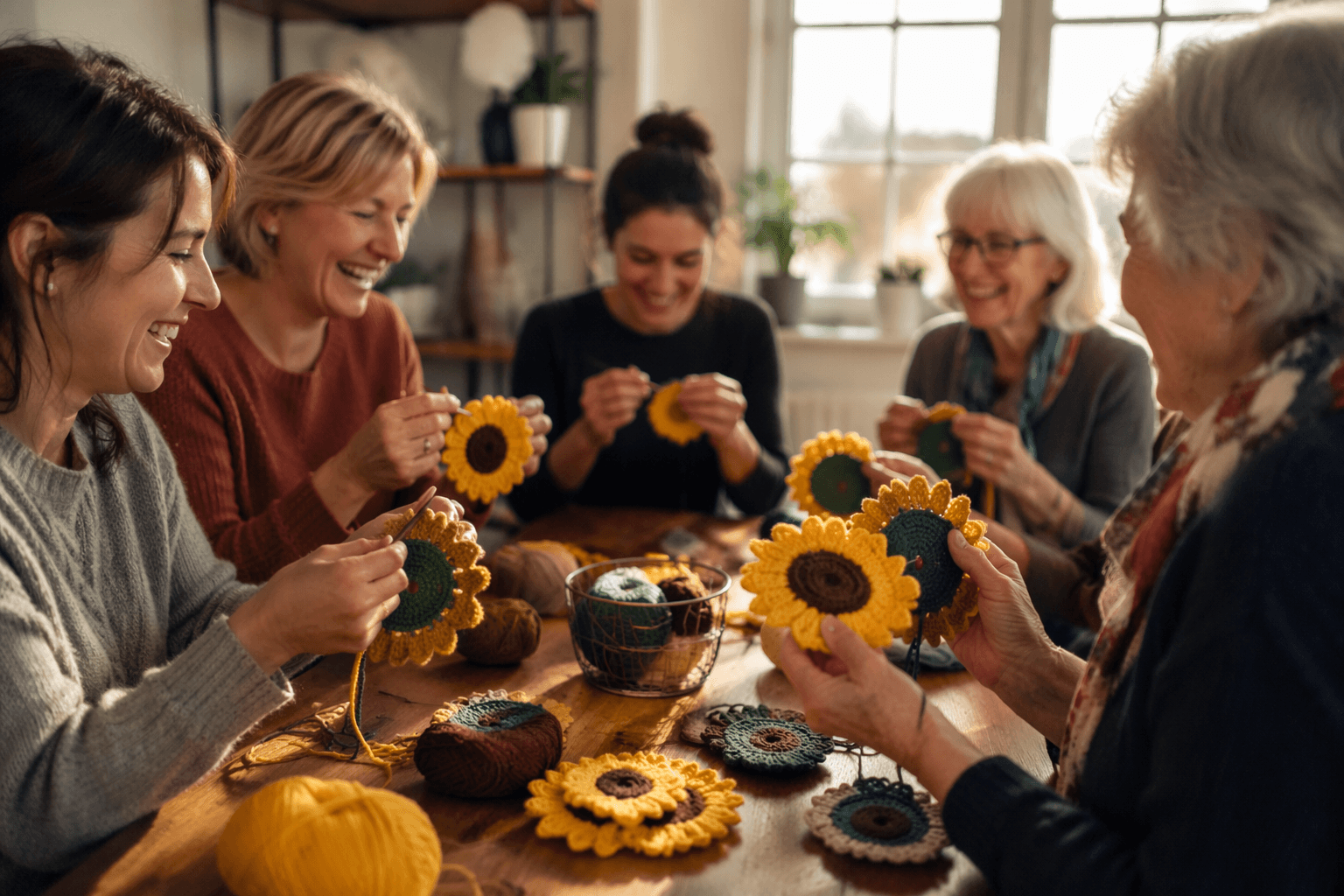
A sunflower scrubby does the rare crochet trick of being charming without losing sight of its job. Erin’s pattern turns worsted weight nylon scrubby yarn into a 4.5-inch kitchen tool that works up in about 20 minutes or less, then goes straight to work on dishes, pans, and other everyday cleanup. It is written in Standard American Terms and aimed at advanced beginners, which keeps the project fast enough for a weeknight and practical enough to make again and again.
A small make with real kitchen mileage
The finished scrubby lands at about 4.5 inches across at the widest point, a size that fits the everyday-use sweet spot. It is small enough to finish quickly, but large enough to feel useful in hand when you are washing a plate, scrubbing a pan, or reaching for a reusable sponge alternative. That balance is a big part of its appeal: it is not a display piece pretending to be functional, it is a functional piece that happens to look cheerful on the counter.
The pattern is offered as a free version, with a paid ad-free PDF available for makers who want a cleaner file. That gives it a second life beyond the casual download, especially for crocheters who like to keep favorite kitchen makes close at hand and easy to print. A separate listing repeats the 4.5-inch size and describes the pattern as tested and video-supported, which reinforces the sense that this is built for speed, clarity, and repeat making rather than fussy technique.
Why the material choice matters
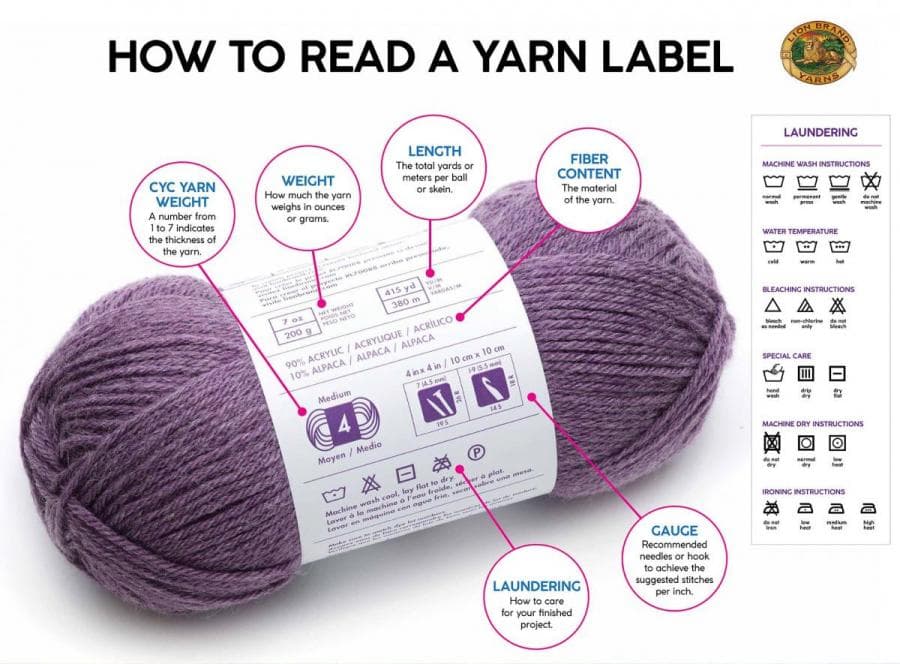
The real backbone of the pattern is the yarn choice. Erin uses worsted weight nylon scrubby yarn held together with two strands, a setup that gives the scrubby more body and helps it feel sturdy enough for real washing jobs. Nylon is doing the heavy lifting here, not just the sunflower shape, and that matters because a kitchen scrubby has to endure repeated wet use without collapsing into a limp novelty.
That durability is exactly why nylon shows up so often in the crochet scrubby niche. Other makers describe nylon scrubbies as reusable, durable, and suited to cleaning dishes and surfaces, with some patterns even noting use for gentle exfoliation. In other words, this sunflower is part of a broader crochet category where texture and resilience matter as much as appearance.
Built for the sink, not just the photo
This pattern is clearly pitched for practical household use. The listed applications include washing dishes, scrubbing pots and pans, and even using it as a bath scrubby, which tells you the designer is thinking about performance across different kinds of cleaning jobs. That range makes the piece more versatile than a single-purpose novelty and gives crocheters an easy way to justify making several at once.
Care is simple, and the instructions point in the right direction for something meant to get wet often. Nylon should be rinsed well after use and air-dried, which helps preserve the scrubby’s shape and keeps it ready for the next round at the sink. For a small project, that care note is important: the best kitchen makes are the ones that can be washed, dried, and put back into service without drama.
A quick project that sells well as a make-and-sell item
The sunflower scrubby also sits neatly in the kind of crochet that works for markets and gift tables. It is promoted as a craft-fair item, a housewarming basket add-on, and a market-prep make, which makes sense for a pattern that can be finished so quickly and in multiple copies. When a project takes roughly 20 minutes, the barrier to making a coordinated stack of them drops fast.
That practical angle is part of the reason sunflower scrubbies show up so often in gift-oriented crochet. A similar sunflower scrubby from Snappy Tots is framed as part of a gift event and a weekly wash project, which places this style of make inside a larger handmade-home rhythm. The design may be cute, but the marketability comes from the fact that it solves a real need in a small, attractive format.
Part of a larger handmade kitchen line
The pattern also points beyond the scrubby itself. Erin directs crocheters toward related kitchen pieces such as towel holders and coordinated cleaning sets, suggesting this sunflower is one piece of a broader home line rather than an isolated one-off. That is useful for makers who like to build matching sets for their own kitchens or for gifts, because one strong motif can carry across several practical items.
That bigger-picture approach lines up with the rest of the scrubby world, where reusable nylon pieces are often designed as part of a system rather than a single project. The same logic that makes a sunflower dish scrubby attractive also makes it easy to imagine alongside other kitchen helpers, from towel hardware to cleaning bundles. It is a small shape with a lot of utility behind it, and that is exactly why it works.
At the sink, the sunflower does not need to be more complicated than this. It is quick, sturdy, easy to repeat, and cheerful enough to gift, which is a rare combination in crochet and an even rarer one in something meant to scrub real kitchen mess.
This article was produced by Prism’s automated news system from verified source data, official records, and press releases, then run through automated quality and moderation checks before publishing. The system is built and supervised by the people who set the standards it runs under. Read our full AI policy.
Did this article answer your question?