Crocheting and knitting spark debate as longtime autistic stimming behaviors
A viral claim about crochet as autistic stimming is resonating because it echoes late-diagnosis stories, masking, and the quiet comfort many makers already know.
Why a ball of yarn suddenly became part of a bigger autism debate
A viral X post arguing that knitting and crocheting have long been stimming behaviors for autistic women struck a nerve because it sounds less like a trend and more like recognition. With 3,000-plus likes and 265 reposts, the claim spread fast because it sits at the intersection of craft, identity, and the growing public conversation around late autism diagnosis.
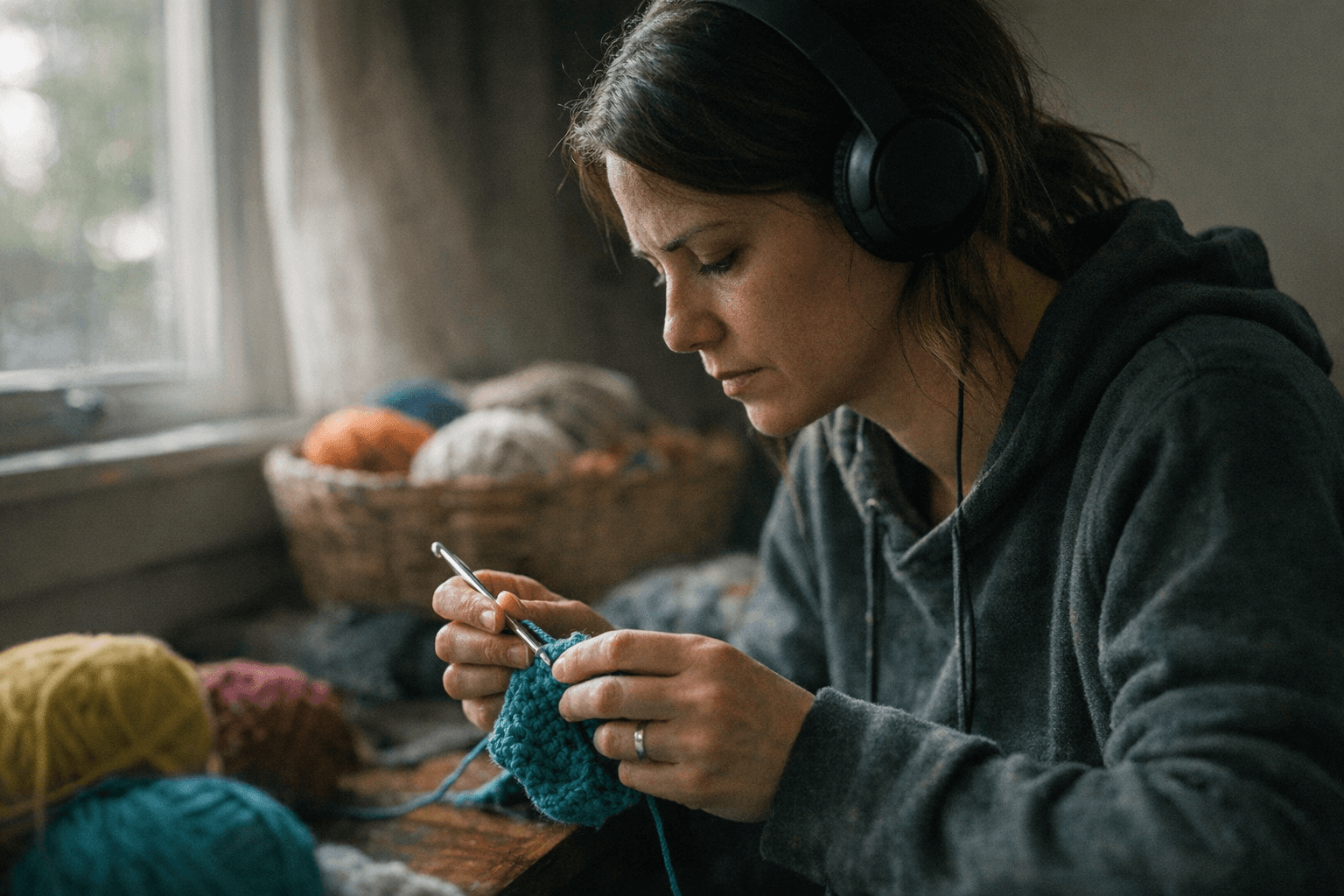
That is why the reaction has been so strong. For many makers, the appeal of yarn work is not only the finished piece, but the repetitive, regulating motion of making it. For women who masked traits for years, a habit that once looked like a pastime can suddenly read like a lifelong coping strategy.
What stimming means in autism, and why it matters here
The National Autistic Society defines stimming as repeated movements or repeated behaviors used for sensory stimulation, to keep calm, or to express joy. It also notes that these behaviors are often beneficial and usually harmless. That matters because the online debate is not really about whether crocheting is “good” or “bad.” It is about whether a familiar hand movement can be understood as self-regulation.
A peer-reviewed study of autistic adults adds another layer: many autistic people view stimming as a useful coping mechanism, and the neurodiversity movement has reclaimed the term rather than treating it as something to suppress. That shift helps explain why yarn work is being discussed so openly now. People are increasingly naming behaviors they already lived with, instead of waiting for a clinic to label them.
This is not a brand-new idea in autism research either. Foundational work on repetitive behavior scales, later studies on age-related differences in restricted and repetitive behaviors, and a 2021 paper using the Repetitive Behavior Scale-Revised all show that repetitive behavior has long been part of the scientific conversation. The findings on sex differences have been mixed, but the larger point is clear: the idea of repetitive behavior as meaningful, patterned, and clinically relevant is well established.
Why crochet and knitting fit so neatly into that pattern
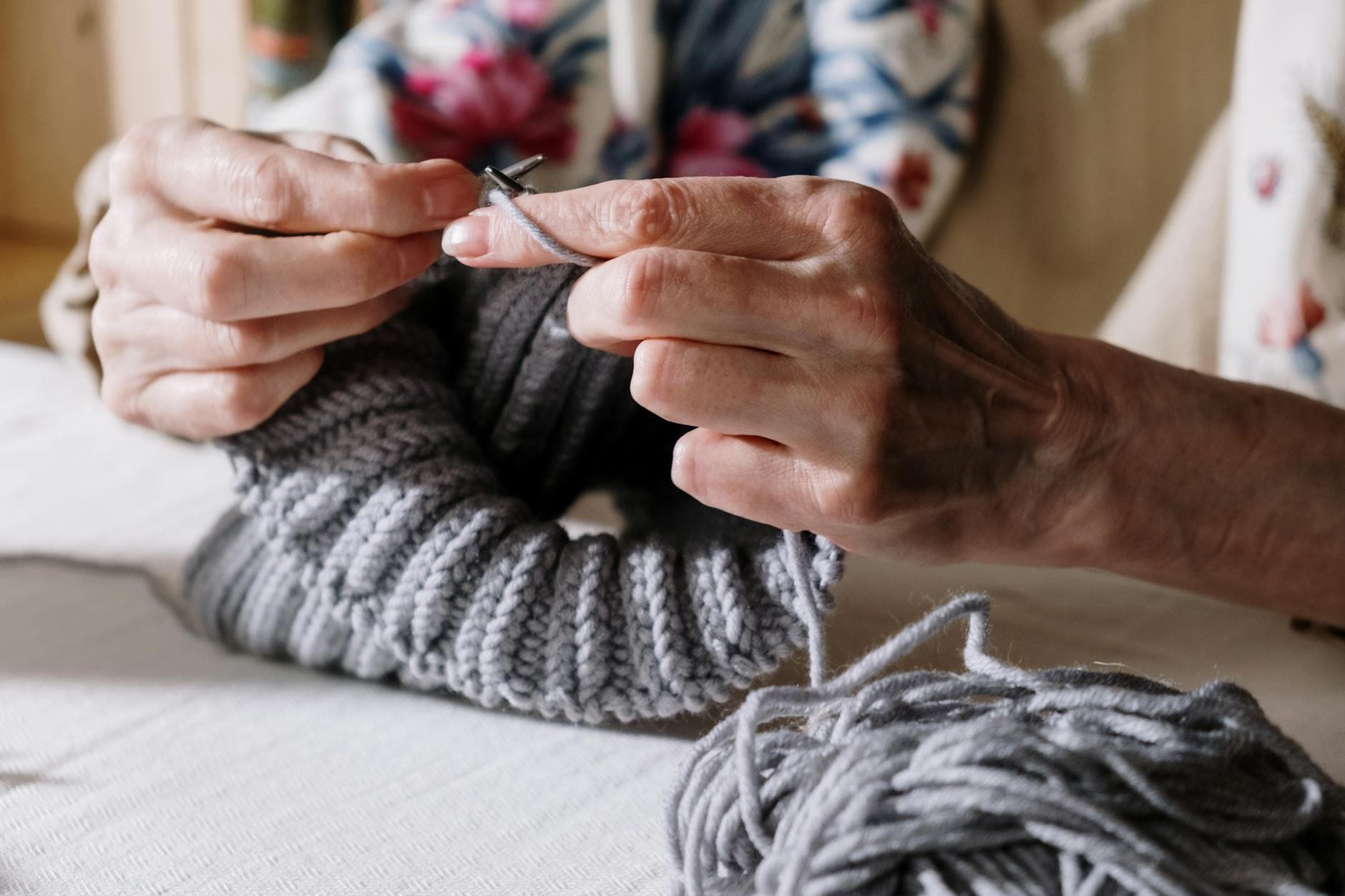
Crochet and knitting offer exactly the kinds of sensory features many autistic people describe as grounding. The looping, stitching, texture, rhythm, and hand focus can create a predictable flow that feels calming without demanding much verbal or social output. Autism-related creators have described crochet as a self-regulating stim for precisely those reasons, and autistic adults have publicly described knitting as a positive form of stimming, including being able to knit and rock at the same time.
That combination makes yarn work especially easy to miss from the outside. It can look tidy, productive, and socially acceptable in a way that other stims sometimes do not. It is portable, repetitive, and often absorbed into daily routines, whether someone is on the couch, in a waiting room, or watching TV with their hands busy.
Autism-focused communities have also used a blunt, memorable phrase for this kind of behavior: knitting and crochet as “original fidget activities.” That language has helped the post travel beyond a niche autism audience, because it gives a familiar craft a new frame without stripping away its usefulness.
Why the post is hitting a late-diagnosis nerve
The strongest reason the claim is resonating now is the growing visibility of autistic women who were missed for years. Research on autistic women shows that camouflaging and masking can hide symptoms in social situations, which contributes to under-recognition and late diagnosis. Other studies have specifically pointed to the female autism phenotype as one reason autism is missed in girls and women.
That blind spot is not just academic. Work on autistic women’s diagnostic experiences has suggested that current diagnostic instruments are still not sufficient for detecting autism in women. Advocacy groups such as the Autistic Girls Network say many autistic girls, women, and non-binary people who mask or internalize traits are still being missed by screening systems. Researchers including Sarah Bargiela, Ginny Russell, Laura Crane, William Mandy, Felicity Sedgewick, Hannah Hobson, Elizabeth Pellicano, and Chris Elphick have helped shape that discussion through work linked to University College London, King's College London, and related research communities.
In that context, a crochet habit can feel suddenly legible. Not because yarn proves autism, but because it may match a broader pattern of lifelong self-soothing that was overlooked, dismissed, or folded into ideas about being shy, diligent, crafty, or simply “a bit particular.”
Where recognition ends and overgeneralization begins
This is the part the viral post cannot do on its own: it cannot turn every crocheter into an autistic person, and it cannot turn every autistic woman into a crocheter. The appeal of the post comes from recognition, not diagnosis. That distinction matters, especially when a single social-media claim gathers thousands of likes and reposts.
The healthiest reading is the simplest one. Crochet and knitting can be stimming for some autistic people, but they are also just beloved crafts for plenty of other people. The overlap is real, yet it is not total. What online discussion is really exposing is how often women’s coping habits were treated as ordinary hobbies rather than sensory survival strategies.
What crocheters can take from the conversation
For makers, the practical value of this debate is not a label. It is permission to notice what your hands are doing for you.
- If yarn work helps you settle, that benefit is real whether or not you identify as autistic.
- If the rhythm of stitches, the feel of fiber, or the predictability of a row keeps you focused, that may be a form of stimming or self-regulation.
- If you recognize a longer pattern of masking, sensory sensitivity, burnout, or lifelong social confusion, the craft may be one small clue in a much bigger picture.
The reason this story is spreading is not that knitting and crochet suddenly changed. It is that more people now have the language to describe what those motions have meant all along. That makes the post less of a fad and more of a signal: a familiar hobby is being re-read through the lived experience of autistic women who were overlooked for too long.
This article was produced by Prism’s automated news system from verified source data, official records, and press releases, then run through automated quality and moderation checks before publishing. The system is built and supervised by the people who set the standards it runs under. Read our full AI policy.
Did this article answer your question?