Easy breezy HDC2CL tutorial adds texture to crochet projects
HDC2CL gives everyday crochet a quick lift: a beginner-friendly cluster that adds a raised, polished texture to blankets, scarves, and more.
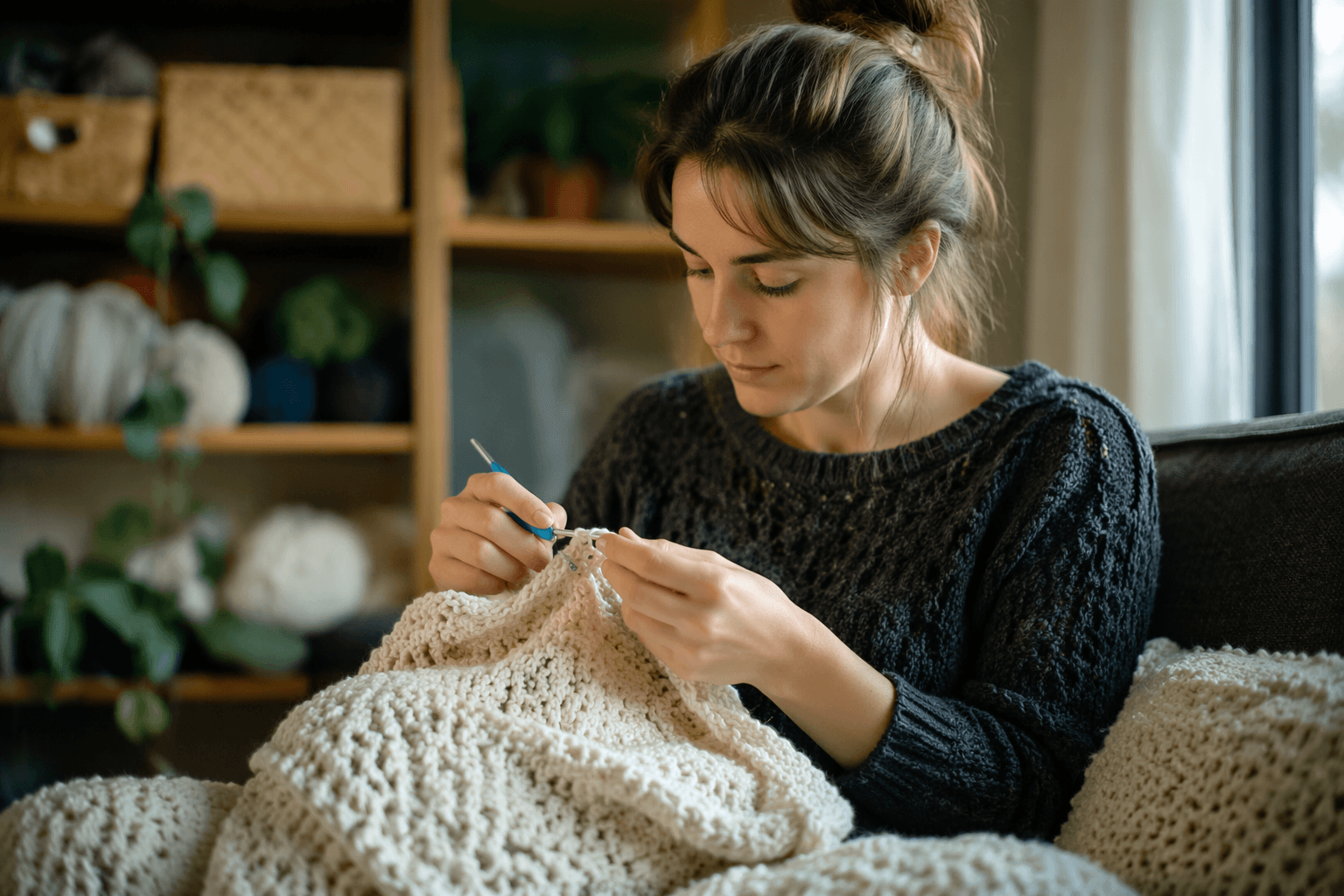
Crochet gets a lot of its personality from texture, and HDC2CL is one of those stitches that makes a project look more considered without demanding a big leap in skill. The stitch adds a visible bump and a little rhythm to the fabric, yet it still keeps the work dense and practical, which is exactly why it feels so useful for the kinds of projects people actually make and wear.
What HDC2CL does to fabric
HDC2CL stands for Half Double Crochet 2 Cluster, and the idea is simple once you see it in action: you partially complete two half double crochet stitches, then finish them together as one cluster. That shared finish creates a raised decorative shape on the surface of the fabric, giving the piece more depth than a standard half double crochet while keeping the overall texture neat and controlled.
That balance is the stitch’s biggest appeal. It brings surface interest without turning into open lace or fussy shaping, so the fabric still feels substantial enough for daily-use items. For crocheters who want a stitch that looks a little richer than plain rows but still behaves like familiar fabric, HDC2CL lands in a very practical middle ground.
Why this stitch is worth learning
This is the kind of tutorial that matters because it helps bridge the gap between knowing the basics and understanding how texture is built into patterns. If you already know half double crochet, HDC2CL shows how a small change in construction can produce a completely different visual effect. It is also useful if a pattern calls for the stitch and you need a clear way to read what that instruction is asking you to do.
The payoff is immediate. A cluster stitch like this can make a sampler blanket feel more intentional, give a scarf a subtle ridged look, or add just enough interest to a hat or washcloth so it does not read as plain stock fabric. It is especially appealing when you want a project to look polished, but you do not want to spend the whole evening counting complicated repeats.
Where HDC2CL shines best
The tutorial points to blankets, scarves, hats, and other textured pieces as natural homes for the stitch, and that makes sense because HDC2CL creates a dense, raised fabric that still feels everyday-friendly. A blanket made with it gets a soft visual pattern without losing structure. A scarf gains dimension that shows up even from across the room. A hat can pick up a subtle surface pattern that feels more finished than a simple flat stitch.
It is also a strong choice for washcloths and other practical squares when you want a little texture under the hand. The stitch gives those projects a more tailored look without sacrificing the sturdy feel crocheters expect from utility items. That makes it especially useful when the goal is not drama, but a cleaner, more elevated version of a familiar make.
How the tutorial frames the learning curve
One of the most helpful things about the guide is its straightforward structure. It includes a table of contents and step-by-step sections that walk through what the stitch is, how it is abbreviated, and how it differs from a standard half double crochet. That kind of layout matters because textured stitches can look intimidating on the page even when they are not especially hard to work.
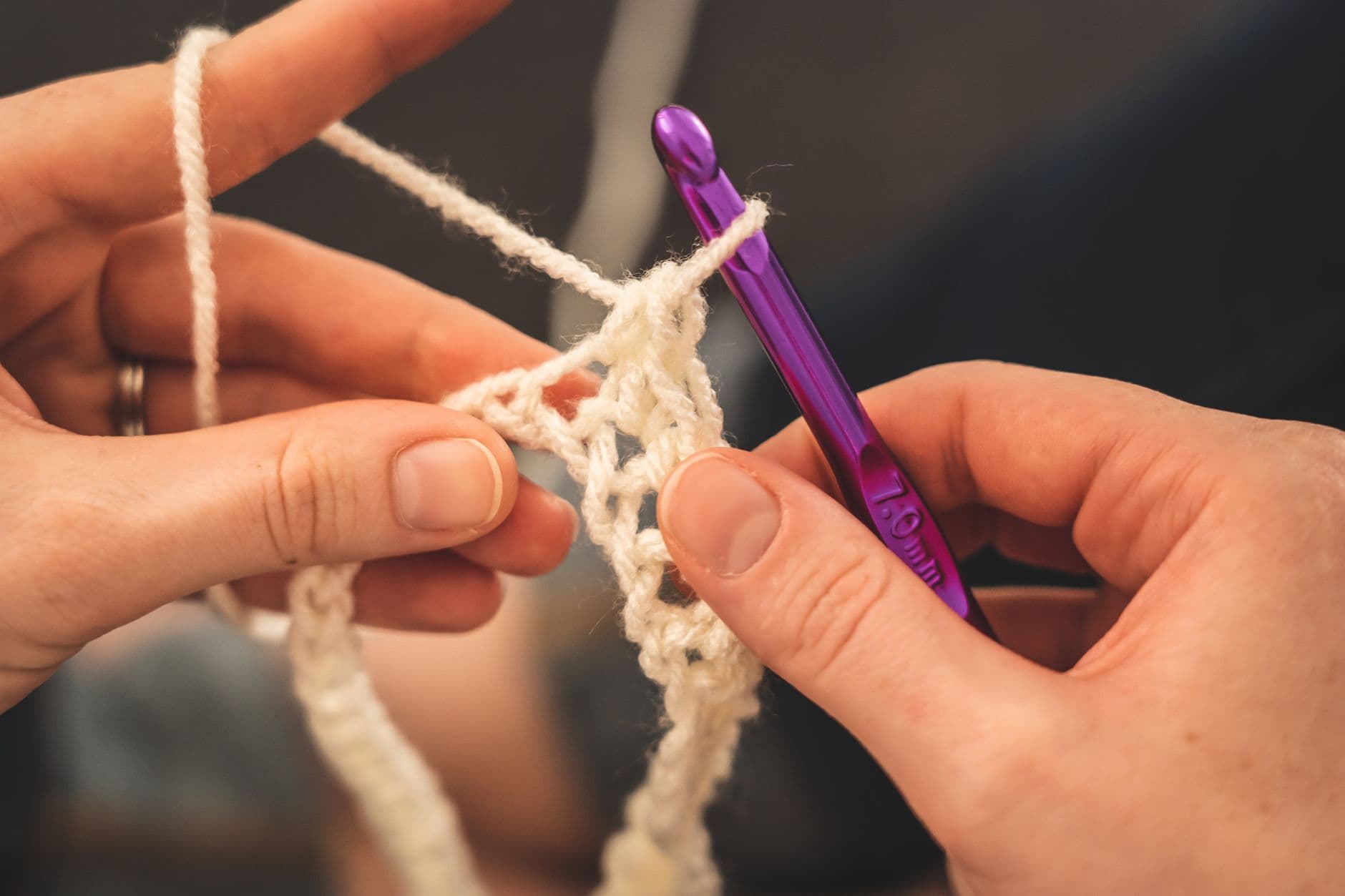
The tutorial is set up for both kinds of crocheters who reach for stitch guides: the person learning a new texture from scratch, and the person following a pattern that already assumes the stitch is known. In both cases, clarity matters more than theory. A guide that explains the abbreviation, the construction, and the visual result gives you enough context to use the stitch confidently instead of treating it like a mystery symbol in the middle of a pattern.
Ways to use it beyond the basics
HDC2CL is not just a one-trick texture. The stitch can be worked in rows, in rounds, and in more complex textured stitch patterns once the basics click. That flexibility gives it a lot of mileage, especially for crocheters who like to build skills by reusing one technique in different formats rather than learning a brand-new stitch every time.
- In rows, it can add a repeated raised pattern that keeps flat projects from looking plain.
- In rounds, it can create a textured surface that works well for hats, small home pieces, and circular motifs.
- In more complex stitch patterns, it can serve as a building block that adds interest without overwhelming the design.
Because the stitch behaves like a relatively dense fabric, it fits especially well into projects where structure matters. That makes it a smart option for stitch dictionaries and sampler blankets, where one square or section needs to show a texture clearly without pulling the whole blanket apart visually.
Why it feels beginner-friendly without looking beginner-basic
A lot of crocheters want the same thing from a new stitch: something that looks like they worked harder than they did. HDC2CL delivers exactly that. It gives familiar projects a more polished finish, but the construction is still close enough to standard half double crochet that it does not feel like a detour into advanced technique.
That is what makes it such a good skill-building stitch. It lets you practice reading texture, learn how clusters change the look of fabric, and start thinking about how surface design affects the whole project. The result is a stitch that upgrades the ordinary in a very satisfying way, especially when you want blankets, scarves, or washcloths to carry a little more presence without becoming complicated.
HDC2CL is, at heart, a small change with a clear visual payoff. It takes the dependable shape of half double crochet, folds in a bit of structure, and leaves you with fabric that looks more finished the moment the texture starts to rise.
This article was produced by Prism’s automated news system from verified source data, official records, and press releases, then run through automated quality and moderation checks before publishing. The system is built and supervised by the people who set the standards it runs under. Read our full AI policy.
Did this article answer your question?