Easy one-color baby blanket crochet pattern for beginners
A one-color baby blanket can still look polished, and this beginner-friendly pattern keeps the repeat simple while video support makes the finish feel achievable.
A simple one-color win
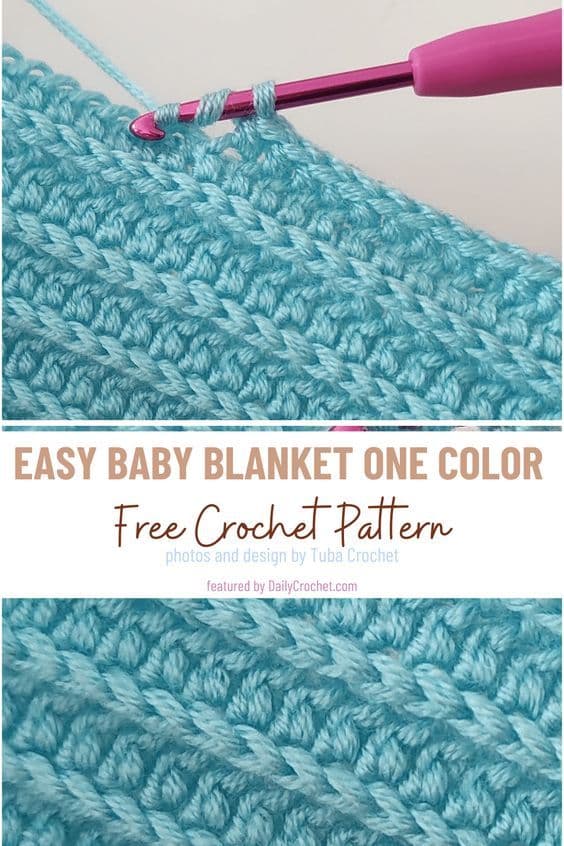
A baby blanket does not need multiple colors, complicated shaping, or a long stitch chart to look special. Daily Crochet’s Easy Crochet Baby Blanket One Color leans into a cleaner idea: one easy repeat, one color, and a finished piece that still feels elegant, dense, and gift-worthy. That is exactly the kind of project that gives newer crocheters a confidence boost, because the focus stays on the fabric and the stitch texture instead of on managing color changes.
The appeal is immediate. If you have ever wanted a blanket that looks finished and polished without feeling fussy to make, this kind of pattern hits the sweet spot. It is especially well suited to beginners who want a low-stress project that still delivers a substantial result.
Why the stitch texture matters
This pattern’s strength is its texture. The featured stitch is described as beautiful, dense, and thick, which makes it a strong choice for a baby blanket and for any project that benefits from a cozy, weightier fabric. That kind of surface gives the blanket presence without requiring advanced shaping or complicated construction.
Related beginner blanket guides point to the same advantage. Handy Little Me frames its simple baby blanket pattern around the blanket stitch, while TREASURIE explains that the stitch is built from repeating basic stitches such as single crochet and double crochet worked into the same stitch. That combination is part of what makes the fabric look rich while staying approachable. For newer crocheters, it is a reassuring lesson: texture does not have to mean difficulty.
The other useful takeaway is that stitch design can be a playground. The research notes point out that unique crochet stitches can create one-of-a-kind textures, and that makers can experiment with stitch combinations, strand changes, or tension to shape their own designs. In other words, this blanket is not just a project to copy. It is also a gentle entry point into understanding how stitch structure changes the feel of the finished fabric.
Why one color is such a smart beginner choice
The single-color approach removes one of the biggest friction points in crochet: color decisions. There is no matching palette to plan, no weaving in multiple yarn tails from frequent changes, and no mental overhead about when to switch shades. That simplicity leaves room for the actual making, which is where beginners build confidence fastest.
That matters because baby blankets are often the first larger projects crocheters finish. Daisy Cottage Designs describes its easy crochet baby blanket as beginner-friendly and says it is designed to make blankets for the new babies in your life. The same practical logic runs through this style of project across the crochet community: keep the repeat manageable, keep the finish attractive, and make it something you will actually complete.
For a first blanket, that formula is hard to beat. The one-color look also has a clean, calm visual effect, which makes the finished blanket feel classic rather than busy. When the stitch texture is doing the work, the result can look more refined than a more complicated project that is still visible from the wrong side of the room.
Video support makes the pattern easier to follow
The easy-to-follow video tutorial is a major part of the appeal here. Crochet Mind notes that one of the best ways to learn how to crochet a baby blanket is to watch the video, and that guidance fits this pattern perfectly. Written instructions can be enough for experienced makers, but visual learners often need to see how a stitch is formed, where the hook goes, and how the repeat settles into place.

That kind of support lowers the barrier for anyone who hesitates when a pattern gets even slightly technical. If you can pause, rewind, and replay a section until the movement makes sense, the project becomes much less intimidating. For beginners, that can be the difference between setting a blanket aside and finishing it with confidence.
How to think about size and use
One of the most practical advantages of a baby blanket pattern is flexibility. The research notes that baby blanket sizes are customizable, and makers can adapt the project as a receiving blanket, stroller blanket, crib blanket, or toddler-size wrap. That means the same basic stitch repeat can serve different needs depending on how large you want the finished piece to be.
- Receiving blanket for a small, lightweight layer
- Stroller blanket for outings and travel
- Crib blanket for display or later supervised use
- Toddler blanket for a larger cozy wrap
A few common ways this kind of project gets used:
That adaptability is part of why beginner blanket patterns stay popular. They can be fast gifts, practical practice pieces, or a larger comfort project if you want to keep going. Jo to the World Creations describes its simple baby blanket as soft, fast, budget-friendly, and made with only one skein, which shows how often this category is framed as an achievable win.
Keep baby sleep safety front and center
Handmade baby blankets are lovely gifts, but they are not meant for use inside an infant’s sleep space. The Centers for Disease Control and Prevention advises that a baby’s sleep area should be a firm, flat surface with a fitted sheet only, while the American Academy of Pediatrics advises babies sleep on their backs in a separate sleep space with no soft objects, comforters, quilts, pillows, or blankets. The U.S. Consumer Product Safety Commission says not to add pillows or blankets to a baby’s sleep space, and Safe to Sleep guidance says the crib should be kept empty except for a tight-fitted sheet, with a pacifier in some cases if it has no attachments.
That makes the right framing especially important. A crochet baby blanket is best thought of as a supervised-use item, a stroller layer, a tummy-time blanket, or a keepsake, not as bedding for an infant crib. For a crochet project meant to feel thoughtful and useful, that distinction matters.
Part of a bigger beginner-blanket trend
Daily Crochet’s one-color baby blanket fits neatly into a broader pattern trend that keeps showing up across crochet publishing: repetitive stitches, cozy texture, and projects that feel doable from the first row. Beginner-friendly baby blankets are often marketed as quick gifts for baby showers, and that makes sense. They are useful, visually satisfying, and forgiving enough that a newer maker can gain momentum as the fabric grows.
That is also why this style of pattern keeps landing with readers. It promises a project that is low-friction to start, easy to follow, and impressive enough to give away. The one-color choice simplifies the process, the dense stitch gives the blanket substance, and the video tutorial adds a safety net for anyone still learning the rhythm of their hook.
A blanket like this delivers exactly what a first big crochet project should: a clean, elegant finish that feels achievable from the start and still looks polished when the last stitch is woven in.
This article was produced by Prism’s automated news system from verified source data, official records, and press releases, then run through automated quality and moderation checks before publishing. The system is built and supervised by the people who set the standards it runs under. Read our full AI policy.
Did this article answer your question?