Fiber Flux Tutorial Shows Iris Stitch With Chunky Lace Appeal
Iris stitch gives you lace drama with basic double crochet and chains, making it a smart pick for scarves, blankets, and shawls that need real drape.
Why iris stitch earns its keep
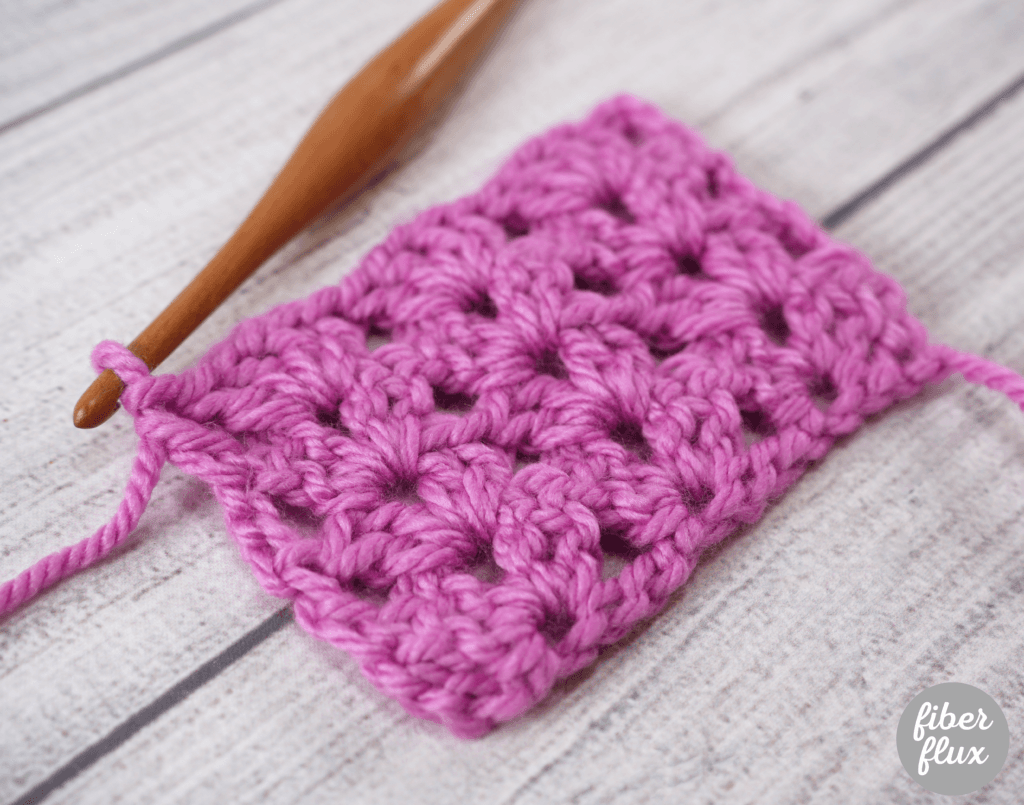
The iris stitch is one of those rare crochet patterns that looks far fancier than the work behind it. You get a chunky lace effect, but the construction stays rooted in basic double crochet stitches plus chains, so the fabric feels approachable instead of intimidating.
That balance is exactly why Fiber Flux’s Crochet Iris Stitch tutorial stands out. The stitch stacks double V shapes into lacy vertical columns, which gives the finished fabric structure as well as openness. If you like the look of delicate lace but want something that still feels substantial enough for real projects, this is the sweet spot.
What it actually does better than harder lace stitches
A lot of lace patterns promise elegance and then make you pay for it in charts, fragile shaping, or constant counting. Iris stitch takes a more forgiving route. Crochetpedia described it as one of the easiest crochet stitches because it uses only chain stitch and double crochet, and Annie Design Crochet calls it beautiful, simple, and easy to memorize.
That matters when you are making fabric you actually want to live with. The iris stitch gives you the pretty drape of lace without forcing you into advanced construction skills, which makes it a strong bridge between beginner and intermediate work. You can focus on rhythm, tension, and texture instead of wrestling with unusual stitch anatomy.
Best uses for the iris stitch
Fiber Flux says the stitch is perfect for scarves, blankets, shawls, and more, and that broad range is the clue to why it works so well. This is not a one-off motif stitch that only looks good in a small sample. It is a repeatable fabric pattern that can carry a whole project.
The projects that benefit most are the ones where you want airiness, but not fragility:
- Scarves: The open columns create movement and drape without making the fabric feel flimsy. A scarf in iris stitch has enough texture to look finished from a distance and still feels light around the neck.
- Blankets: If you want a blanket with visual interest instead of a plain solid sheet of stitches, iris stitch adds pattern without becoming fussy. All Free Crochet has also pointed to the stitch as a one-row repeat that suits larger pieces like blankets and table runners, which lines up with how easily the texture scales.
- Shawls: This is where the lace appeal really shows. The stitch opens up beautifully in wearable fabric, and the vertical columns give a polished look that reads cleaner than a lot of denser textured stitches.
- Quick accessories and seasonal decor: The stitch has enough structure to hold its own in smaller projects, especially when you want something airy with presence. It is a strong choice whenever you want a fast project that still looks intentional.
How the fabric behaves in your hands
The appeal of iris stitch is not just the finished look. It is the way the stitch behaves while you work it and how the fabric hangs when you are done. Hooked by Robin describes it as a simple one-row repeat with great drape, and that is the practical reason it keeps showing up in scarves, blankets, and garments.
Pattern Princess adds another useful detail: iris stitch is a twist on the classic V-stitch, and it looks especially elegant in thin yarn. That gives you a handy decision point. If you want the stitch to feel airy and refined, thinner yarn will lean into the lace effect. If you want it chunkier, the structure still holds because the stitch itself already has that stacked, substantial look.
The result is a fabric that feels open without collapsing. That is a hard balance to get in crochet, and it is why the iris stitch can move from a pretty swatch to an actual garment or home project without losing its shape.
Why Fiber Flux’s tutorial is worth your time
Fiber Flux published its Crochet Iris Stitch tutorial on May 6, 2026, and it comes with both a full photo tutorial and a video tutorial. That combination matters more than it sounds like, because the stitch is easiest to learn when you can see exactly how the columns and chain spaces form from row to row.
The audience size also tells you something. The Fiber Flux YouTube channel has 575K subscribers and more than 1.3K videos, so this tutorial lands inside a maker community that already knows the value of a clear demonstration. In a crochet landscape crowded with stitch clips and half-finished patterns, that kind of established teaching setup gives the iris stitch a better shot at being learned, reused, and adapted.
Why this stitch keeps coming back
The iris stitch has been circulating through crochet tutorial spaces for years, with verified tutorials appearing as early as 2022 and continuing through 2024 and 2026. That long run is a good sign, not a stale one. It means the stitch has already proven it can do something useful: deliver a polished, airy look with a low learning barrier.
That is why this tutorial is more than another pretty stitch lesson. It gives you a practical fabric recipe you can file straight into your project notebook, one that lands between lace and texture without making you choose between beauty and usability. If you want a stitch that looks intricate, memorizes quickly, and works hard in scarves, blankets, shawls, and other texture-rich pieces, iris stitch does exactly that.
This article was produced by Prism’s automated news system from verified source data, official records, and press releases, then run through automated quality and moderation checks before publishing. The system is built and supervised by the people who set the standards it runs under. Read our full AI policy.
Did this article answer your question?