Free crochet patterns for summer tops, tees and beachwear
These free summer crochet patterns favor quick, wearable makes you can pull on now, from beach cover-ups to tees, tops and light layers.

The fastest summer crochet projects are the ones you can wear before the season cools off, and CraftGossip’s June 20 roundup leans hard into that practical promise. Instead of sinking time into heavy blankets, it gathers crochet summer tops, handmade tees, beach cover-ups, lightweight cardigans, kids’ clothing and a few accessories, all built for warm weather and real use.
Wear-now pieces first
The strongest thread running through the roundup is immediacy. These are not projects meant to sit folded on a shelf, admired but never reached for. They are the kind of garments that can move from work-in-progress to weekend outfit, which matters in crochet because a wearable finish is one of the quickest ways to keep momentum going.
Summer tops and tees do the most obvious work here. They solve the basic warm-weather problem of wanting coverage without heat, especially when worked in open stitches and cotton yarn that feel lighter on the hands and easier on the body. A handmade tee also gives you the kind of casual versatility that makes crochet feel current rather than costume-y, whether you wear it with denim, over swimwear or layered for a night out.
Beach cover-ups and light layers that travel well
The roundup’s beachwear section is just as important as the tops. Cover-ups, by design, bridge two lives at once: they need to look intentional over a swimsuit and still feel like something you would pack for a quick trip or toss on for lunch after the water. That makes them one of the smartest summer crochet categories, because they get worn immediately and often.
Lightweight cardigans belong in the same conversation. They are the piece you reach for when air conditioning bites, when evenings cool off, or when you want one more layer without dragging summer into sweater weather. In a season where bulky garments feel out of place, a thin cardigan in breathable yarn can function like a practical styling tool instead of a cold-weather holdover.
Why the roundup feels bigger than a craft list
This is not just a stash of free patterns, it sits inside a larger shift in how crochet is showing up in wardrobes. Fashion coverage in June has pushed crochet beyond beach-only dressing and into everyday summer style, with airy dresses, fitted crochet tanks, woven flats and lightweight layers treated as part of the same conversation. L’OFFICIEL USA noted on June 18 that Gabriela Hearst’s spring/summer 2026 collection included a crochet dress, while other 2025 coverage pointed to Isabel Marant, Acne Studios and Roberto Cavalli using crochet too.
That matters for makers because it explains why these summer patterns feel timely rather than novelty-driven. Crochet is working in the same visual territory as the clothes people are already seeing in stores, on runways and on social feeds. The handmade version offers the added bonus of fit control, color choice and the satisfaction of wearing something that looks current but came from your own hook.
The older fashion story underneath the summer moment
Crochet’s return is also part of a longer cycle. Fashion-history sources place crochet clothing firmly inside the 1960s and 1970s, when counterculture dress leaned into DIY styles as a rejection of the excesses of the fashion industry. FIT’s institutional repository describes that handmade turn as a deliberate refusal of mass fashion’s polish, while ASU FIDM Museum notes that garments with handcrafted elements such as crochet were used to express individuality and often came from small craftspeople.

That history helps explain why summer crochet still feels fresh every time it resurfaces. The appeal is not only that the fabric is airy or that the look is nostalgic. It is that crochet keeps signaling something personal, visibly made, and slightly apart from whatever everyone else is wearing, which is exactly why it keeps finding a home in warm-weather wardrobes.
The fibers that make the patterns realistic
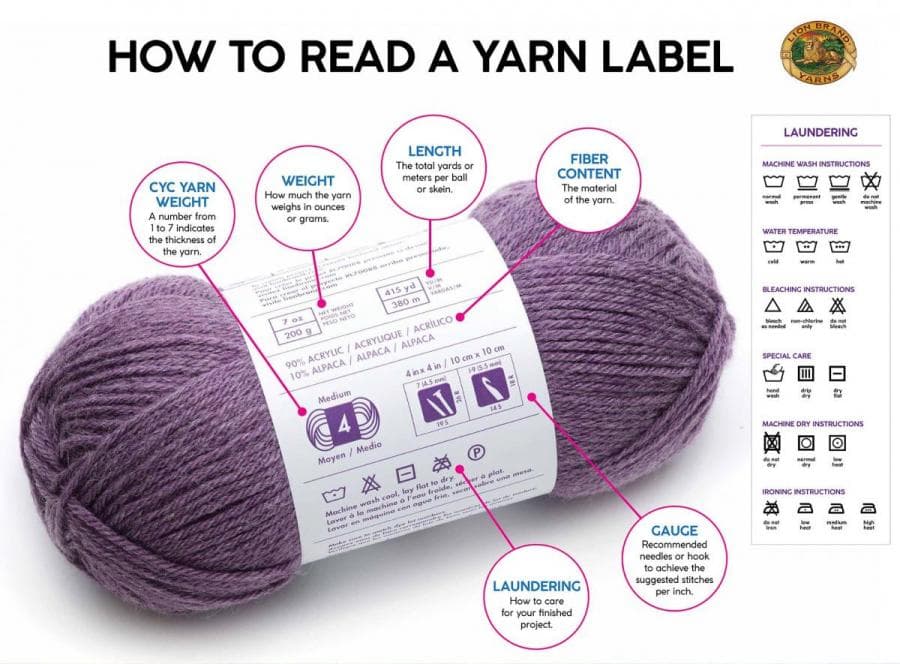
The practical side of all this comes down to fiber choice. Current yarn guides consistently steer warm-weather garments toward cotton, linen and bamboo because those fibers are lighter, airier and better suited to wearables than heavier wool. Lion Brand’s Cotton Bamboo Linen yarn is a good example of that logic in one skein, with a blend of 40 percent cotton, 35 percent bamboo and 25 percent linen.
Lion Brand also describes bamboo yarn as breathable and capable of producing fabric with excellent drape and sheen, which is exactly the kind of finish that helps a handmade top look polished instead of bulky. For summer crochet, that combination is the sweet spot: enough structure to hold a shape, enough airflow to keep it comfortable, and enough drape to make it look intentional on the body.
- Cotton brings everyday wearability and a familiar feel.
- Linen adds a crisp, breathable edge that suits hot weather.
- Bamboo contributes softness, drape and a subtle sheen that photographs well and wears easily.
Why the breadth of the roundup matters
The mix of categories in CraftGossip’s roundup is part of what makes it useful. Tops and tees serve the obvious wardrobe need, beach cover-ups make the most of holiday and poolside sewing time, lightweight cardigans extend the season of wear, and kids’ clothing and accessories widen the appeal for smaller projects or faster finishes. It gives different crocheters a reason to dive in without forcing the whole list into one style lane.
That breadth also matches the way summer crochet actually lives in the real world. Some people want a garment they can wear by the weekend, some want a layer for trips and travel, and some just want a pattern that looks good on a feed and feels even better on. This roundup lands because it understands the same thing the runways do: right now, crochet is not waiting for cooler weather, it is already dressed for the season.
This article was produced by Prism’s automated news system from verified source data, official records, and press releases, then run through automated quality and moderation checks before publishing. The system is built and supervised by the people who set the standards it runs under. Read our full AI policy.
Did this article answer your question?