Free Floral Placemat Crochet Pattern Offers Beginners a Colorful Home Decor Project
One evening, a 2.5 mm hook, and stash yarn is all it takes to make Hira's free floral placemat from YarnsPatterns, a spring table upgrade that undercuts store prices.
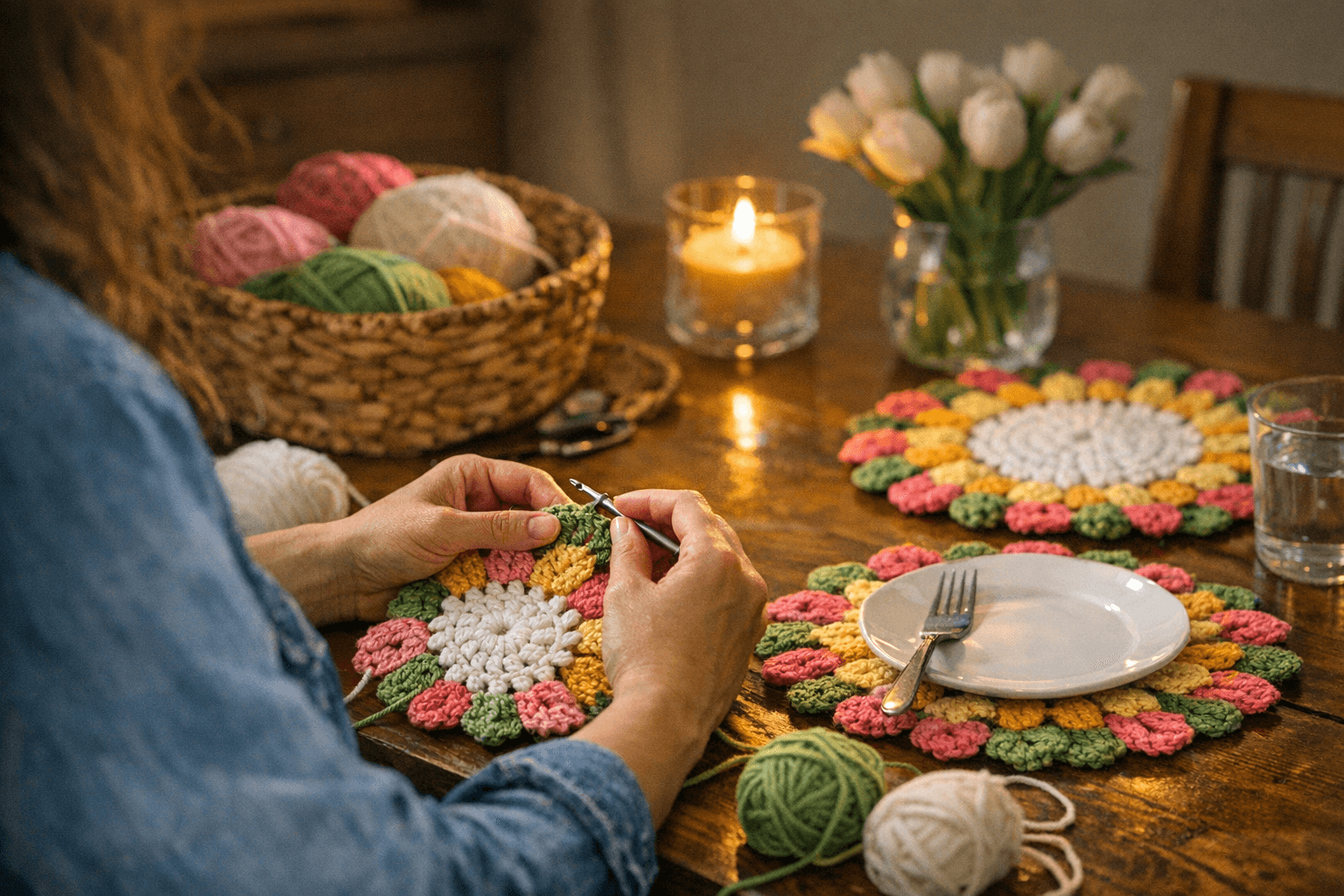
Seasonal table styling doesn't have to mean a trip to the home goods store. Hira's free crochet flower placemat pattern, published on the YarnsPatterns blog, builds a finished 12-inch piece from a chain-6 foundation ring to a full petal bloom in a single evening, using tools most makers already own: a 2.5 mm hook, scissors, and a yarn needle. Posted at the height of spring decor season ahead of Easter and spring gatherings, this pattern is aimed squarely at makers who want a quick, colorful table refresh without the cost of retail seasonal linens.
The Pattern at a Glance
The construction follows a clean circular progression. Starting from a chain-6 ring, each successive round builds chain spaces that anchor the petal clusters, with each petal formed by five double crochets. Gauge is described as forgiving for a decorative piece, though Hira encourages consistent tension for uniform petals, which is worth heeding if you want all five petals sitting at the same angle. Step-by-step photos accompany every stage, and a finished-size note gives you a clear reference before you cast on. As the pattern notes: "the free crochet flower placemat pattern allows anyone, even beginners, to create lovely and functional pieces without much expense."
Cotton vs. Acrylic: Your Yarn Decision
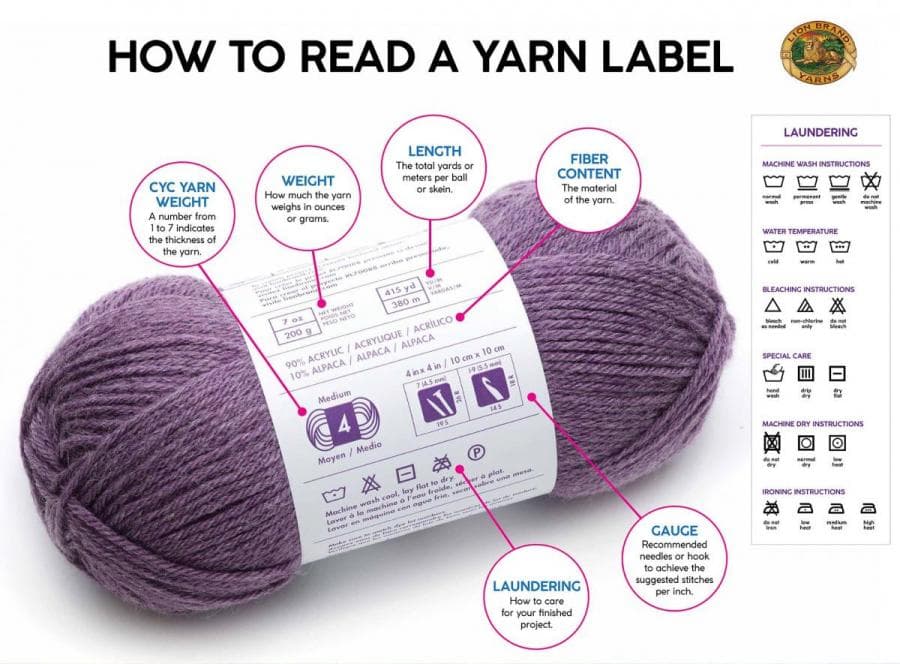
The pattern recommends acrylic two-ply yarn, and for most spring table projects that call is practical. Acrylic is forgiving under tension, available across the full bright palette that makes a spring floral pop on a table, and inexpensive enough to make this a genuine stash-buster. With a 2.5 mm hook and fine two-ply weight, you won't need much yardage at all, and a single skein almost always covers the full 12-inch piece with material to spare.
Cotton earns its place if the mat will see regular use under glassware or on a surface that gets wiped down. Natural fiber holds up better to repeated contact and resists the surface fuzz that acrylic develops over time. Cotton also blocks flatter and crisper, which matters directly for petal definition. The tradeoff is that cotton is less elastic, making tension consistency more critical, and beginner hooks tend to split fine cotton plies more easily than acrylic. For a first make or a display-only piece, acrylic wins on ease and economy. If you want functional durability alongside the decorative appeal, a mercerized cotton in a comparable two-ply weight is the better long-term investment.
Getting It Flat: Blocking the Finished Mat
Petal-construction rounds have a natural tendency to cup slightly, a result of tension pulling inward on each cluster. Blocking solves this, and at 12 inches the process takes under 30 minutes of active work.
With acrylic yarn, steam blocking is the fastest method. Pin the finished mat to a foam blocking board or a folded towel, hold a steam iron a few centimeters above the surface without pressing down, and work from the outer petal tips inward. Let the piece cool completely before unpinning. The heat relaxes the synthetic fiber and sets the flat shape permanently. With cotton, wet blocking works better: soak the mat, press out the excess water without wringing, pin flat, and air dry. Use at least two pins per petal at the outer edge to hold the tip extensions in position while the fiber sets. If the petals draw back together before the piece is fully dry, the definition gained from blocking disappears and the mat will dome again.
Three Fast Customizations
The base pattern finishes at 12 inches, which suits a standard place setting, but three quick adjustments open up a wider range of uses:
- Scale up for charger plates. Continuing the chain-space rounds for two to three additional rounds before beginning the petal clusters expands the diameter to approximately 14 to 15 inches, covering a standard charger. The hook size and yarn weight stay the same; you're simply extending the circular logic before turning petal-side.
- Swap petal colors for two-tone blooms. The petal rounds are structurally distinct from the foundation rounds, which makes a color change clean and readable. Work the center rings in one color, then join a contrast at the first petal round. No mid-round join is needed, and the color break reads as deliberate design rather than a patchwork fix.
- Add a hanging loop at finishing. Chain 15 to 20 stitches off the final slip stitch, join back to form a closed loop, and fasten off. This converts the placemat into a wall piece or door decoration, giving the pattern a second life beyond the dining table well into summer.
Handmade vs. Store-Bought
Spring seasonal placemats at major home goods retailers typically run between $6 and $15 per mat, with floral-print options commanding the upper end due to seasonal licensing and trend markup. A set of four can easily reach $30 to $40. The material cost of a crocheted flower placemat from stash acrylic is a fraction of that per piece, with no licensing overhead, and the finished object has three-dimensional petal texture that printed fabric or flat-woven placemats simply cannot replicate.
Exact color coordination across a full table set is another handmade advantage: when you're working from a single dye lot across four mats, the match is perfect. That visual coherence also matters for craft sellers. With 52% of crochet product sales now occurring through online channels according to a 2025 Accio market trend analysis, finished placemat sets photograph exceptionally well and have a clear digital pathway via platforms like Etsy to reach spring decor buyers at essentially zero additional promotion cost.
A Craft Market in Full Bloom
The release timing reflects real momentum in the broader crochet world. Global Growth Insights valued the knitting and crochet market at USD 9.48 billion in 2024, projecting growth to USD 17.85 billion by 2034 at a CAGR of 6.53%. Technavio's analysis forecasts USD 12.28 billion in additional expansion at a 6.9% CAGR between 2024 and 2029 alone. Within that, a 2025 STATS N DATA report pegs the standalone crochet market at approximately USD 3 billion, driven specifically by interest in handmade goods and sustainable practices.
Home decor sits at the leading edge of that growth. A 2025 Accio trend analysis identifies home decor as one of the defining niche expansions in crochet this year, alongside eco-friendly yarn adoption now accounting for 39% of buyer purchases. A flower placemat worked in responsibly sourced natural fiber, or from stash acrylic that keeps existing yarn in circulation rather than landfill, fits squarely into that sustainability narrative without requiring any extra effort on the maker's part.
The Free Pattern Ecosystem
Ravelry, the dominant online community platform for knitters and crocheters, currently hosts nearly 300,000 free crochet patterns, setting the de facto standard: free access is the baseline expectation in this craft community. YarnsPatterns, an ad-supported blog authored entirely by Hira, operates within this ecosystem deliberately. Each free pattern serves as both genuine craft instruction and a discoverable content asset that drives repeat visits and seasonal traffic. Hira's stated mission is to "unite crochet fans from all corners of the world, offering them a place to learn, exchange ideas, and develop their skills," and a beginner-accessible home decor pattern released at peak spring season is a direct expression of that goal.
The construction logic also makes this a natural fit for beginner workshops at guild level: the round structure is clear, the stitch vocabulary stays within the basics, and the finished object delivers immediate visual payoff. That combination keeps newer crocheters returning to the hook, which is how the broader craft community keeps growing at the pace the market data suggests it will.
This article was produced by Prism’s automated news system from verified source data, official records, and press releases, then run through automated quality and moderation checks before publishing. The system is built and supervised by the people who set the standards it runs under. Read our full AI policy.
Did this article answer your question?