Lion Brand explains worsted weight yarn for crocheters and knitters
Worsted weight is more than a label: it’s the yarn shorthand that helps you match hook size, read drape, and choose a better substitute before you cast on.
**Worsted weight is the yarn category that quietly does the most work in crochet.** It sits in that sweet spot between DK and bulky, shows up constantly in craft stores, and anchors a huge share of beginner and intermediate patterns. Lion Brand’s guide treats it the way crocheters actually use it: not as a fuzzy label, but as a practical tool for choosing yarn, predicting fabric, and avoiding a substitution that changes the whole feel of a project.
What worsted weight means on the label
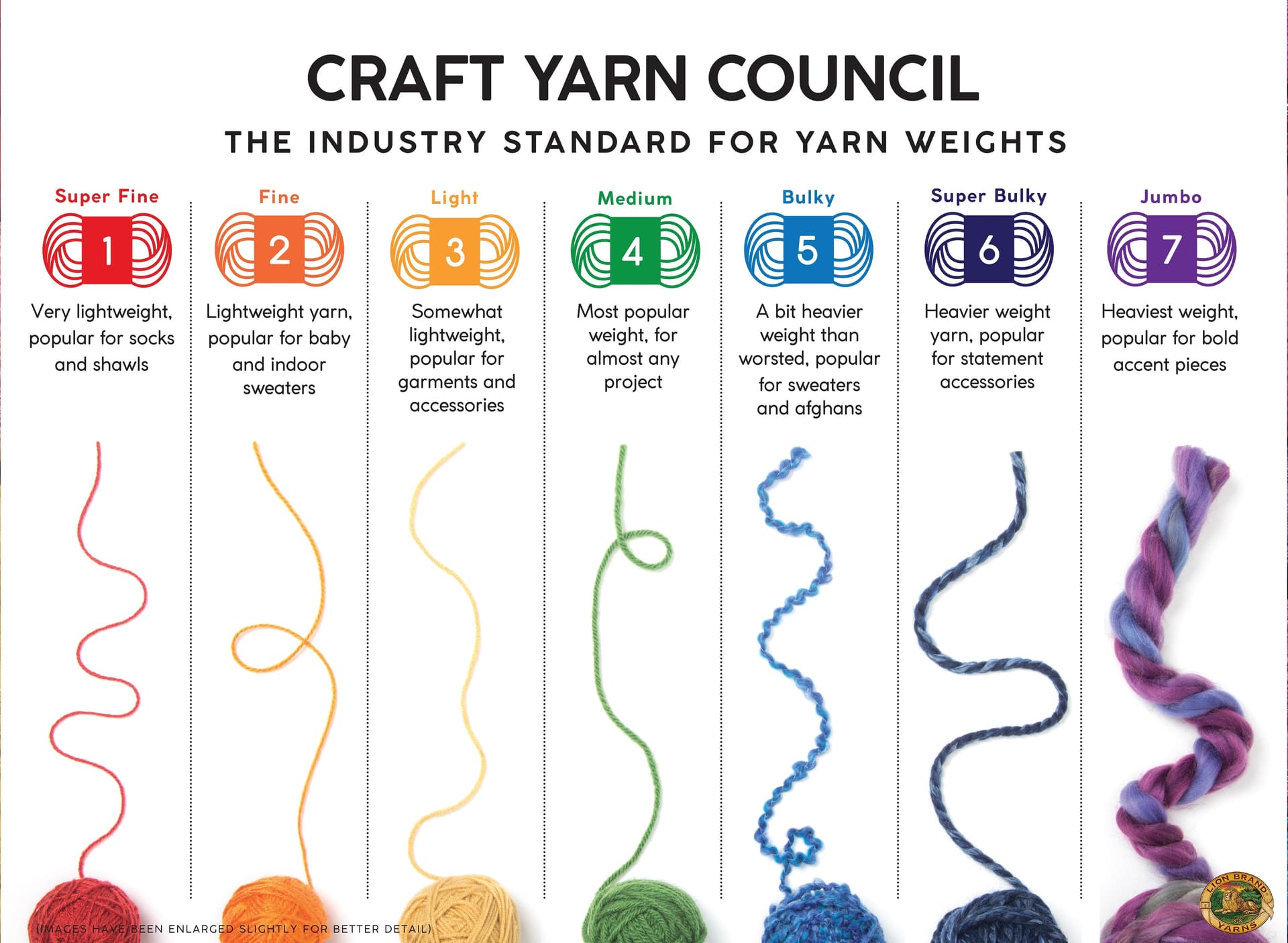
In the Craft Yarn Council system, worsted is Category 4 medium-weight yarn. That matters because the category gives you a fast read on how the yarn will behave compared with lighter DK yarn or heftier bulky yarn. For crocheters, that middle-ground position is part of the appeal: it is substantial enough to build structure, but not so heavy that every stitch turns stiff or dense.
Lion Brand’s guide also clears up a common source of confusion. “Worsted” has two meanings in fiber language. One refers to yarn thickness, which is how most crocheters use it when shopping or following a pattern. The other refers to a spinning method, which is a separate technical idea entirely. If you have ever wondered why the same word seems to describe both a yarn category and a textile process, this is the distinction that keeps the terminology from getting messy.
Why crocheters reach for it so often
Worsted weight is popular because it tends to balance three things crocheters care about most: stitch definition, drape, and structure. That balance makes it especially versatile. A sweater can hold its shape without feeling board-stiff, a scarf can fall nicely instead of collapsing, and a blanket can feel sturdy without becoming absurdly heavy.
That same flexibility is why worsted weight works across so many project types. It is a natural fit for garments, accessories, and home décor, and it is often the default recommendation when a pattern wants a yarn that will behave predictably without demanding advanced adjustments. If you are building a stash, worsted is the skein you reach for when you want one yarn that can credibly step into a lot of different jobs.
The numbers that make the label useful
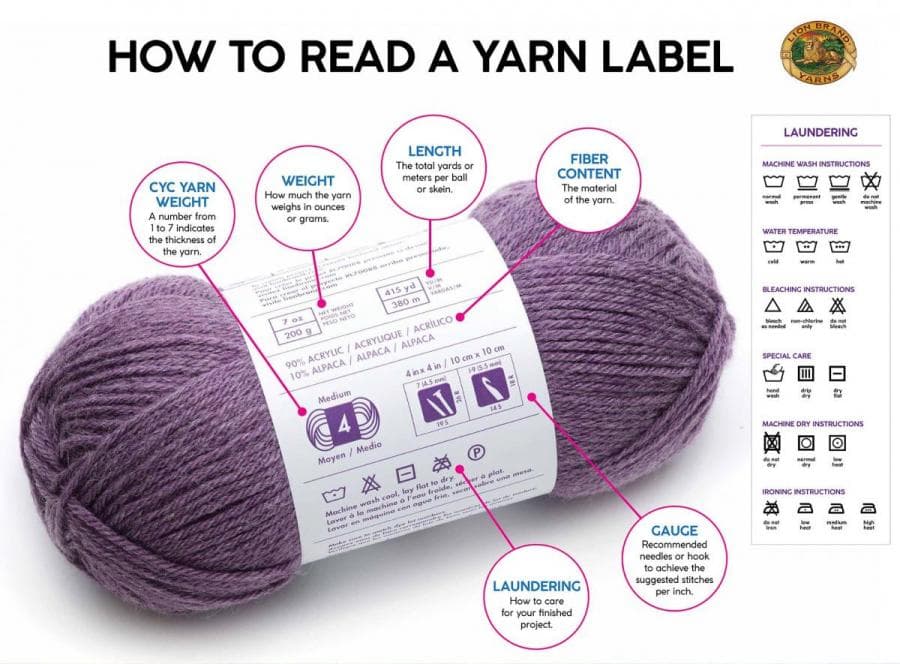
The real value of a yarn category shows up when you need to match a pattern. Lion Brand’s guide points crocheters to practical measurements like wraps per inch, standard gauge ranges, and typical hook sizes. Those details turn “Category 4” from a vague label into something you can actually work with at the hook.
The hook range the guide highlights, I/9 to K/10.5, gives a concrete starting point for swatching and substitution. If a pattern is built around worsted weight, those sizes help you anticipate the density of the fabric instead of guessing. The gauge information serves the same purpose: it tells you whether your stitches are likely to land in the same neighborhood as the designer’s, which is where the difference between a drapey cardigan and a cardboardy one often begins.
Why checking the label matters more than trusting the category
One of the smartest reminders in the guide is also one of the easiest to forget: two Category 4 yarns can behave very differently. Fiber content and twist change the way a yarn feels in the hand, how it opens up under a hook, and how the finished fabric hangs. A smooth, tightly twisted worsted can look crisp and defined; a loftier or more elastic one can create a softer, springier result.
That is why the label itself matters. The category number gives you a starting point, but it does not tell you everything you need to know about the finished piece. If you are substituting yarn, the question is not just whether it is “worsted.” It is whether it shares the qualities that matter for your project: the same basic thickness, a compatible fiber, a similar twist, and a comparable drape once it is worked up.
How to read a substitute without getting burned
For crochet, substitution is where yarn-label literacy pays off. If a pattern depends on crisp stitch definition, a replacement that is fuzzier or more elastic may soften the look in a way you do not want. If the pattern calls for a fabric with structure, a drapier worsted might produce a garment that hangs beautifully but loses shape.
A good substitute keeps the project’s intent intact. That can mean matching the pattern’s gauge expectations, choosing a yarn with similar behavior in the fabric, and paying attention to the hook size the designer intended. When those pieces line up, worsted weight becomes less of a generic category and more of a reliable translation tool between skein aisle and finished object.
The practical takeaway for crocheters
Worsted weight earns its reputation because it is easy to find, easy to pattern with, and forgiving enough to cover a lot of ground. It is the yarn that many crocheters learn to trust first, then keep trusting as their projects get more ambitious. Once you understand that Category 4 is not just a label but a set of clues about thickness, gauge, hook size, and drape, worsted stops being a default and starts becoming a decision.
That is the real value of the term: it gives you a way to read the yarn before you commit to it. In crochet, that turns a familiar skein into a much sharper tool.
This article was produced by Prism’s automated news system from verified source data, official records, and press releases, then run through automated quality and moderation checks before publishing. The system is built and supervised by the people who set the standards it runs under. Read our full AI policy.
Did this article answer your question?