Mary Maxim explains amigurumi basics for beginner crocheters
Amigurumi looks intricate, but Mary Maxim’s beginner guide strips it down to a few stitches, some stuffing, and one small first plush.

What amigurumi really is
Amigurumi is the tiny, stuffed-craft corner of crochet that keeps showing up in gift piles, hobby feeds, and project queues. At its simplest, it is a Japanese term for small stuffed toys made by knitting or crocheting, and that is part of the appeal: the finished object is cute, compact, and personal without requiring a huge time commitment.
If you have ever seen a crocheted animal, character, or soft sculpture and wondered whether you needed years of experience to make one, Mary Maxim’s beginner guide answers that question by lowering the whole craft to its essentials. The real draw is not complexity. It is the fact that amigurumi turns a small set of skills into something that looks finished, giftable, and immediately recognizable as handmade.
Why it feels more intimidating than it is
A lot of new crocheters see amigurumi as a leap into advanced territory because the final shape is three-dimensional. In practice, the technique is built from the same foundational idea Merriam-Webster uses to define crochet: needlework made by interlocking looped stitches with a hooked needle. The difference is that amigurumi shifts you from flat fabric into shaping, stuffing, and closing.
That is why beginner-friendly amigurumi guides matter. They take a craft that can look fussy from the outside and show that the core skill set is actually narrow. Instead of asking you to master everything at once, they focus on the stitches and techniques that come up again and again in stuffed figures, which makes the first project feel less like a test and more like a guided walk.
The minimum skills you need
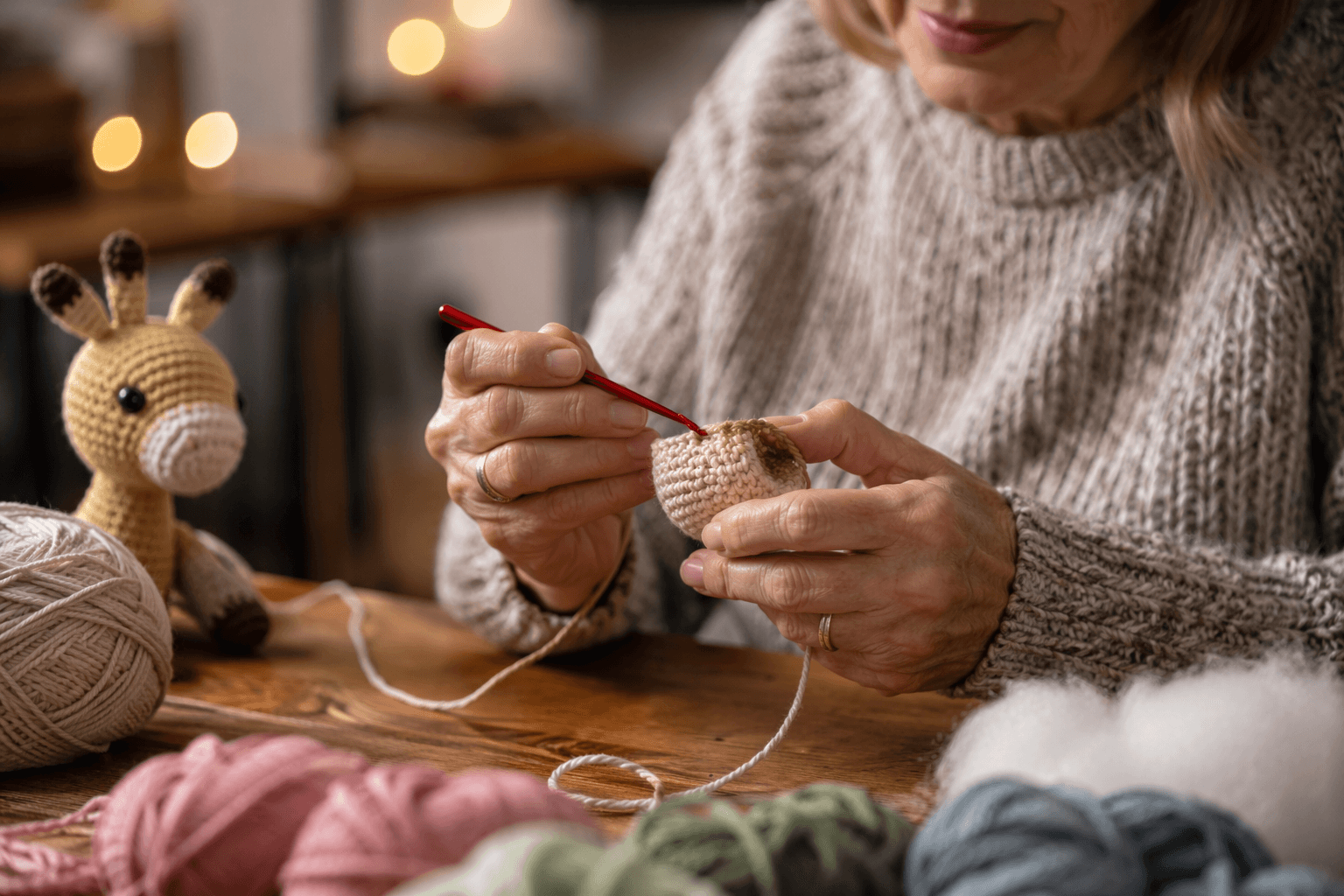
You do not need a long list of techniques to begin. Most beginner amigurumi tutorials center on single crochet, working in the round, increases, decreases, stuffing, and stitch markers. Those six pieces do most of the heavy lifting in a first plush, because they let you build a shape, widen it, narrow it, fill it, and keep your place as the rounds grow.
Craft Yarn Council’s instruction for single crochet captures the movement well: draw the hook straight up, bringing the yarn through the remaining loop on the hook. That motion is simple enough to learn early, and it is one reason amigurumi is so often recommended as a next step after you can handle the most basic crochet rhythm.
The Craft Yarn Council also encourages beginners to rely on basic instructional resources and learn foundational stitches before moving into more advanced projects. That advice fits amigurumi perfectly, because the craft rewards repetition. Once you can keep your stitches even, the rest starts to click.
How to read the learning curve
The Craft Yarn Council says more than 50 million people know how to knit, crochet, and craft with yarn, which helps explain why beginner guides matter so much. Crochet is a huge entry point, and amigurumi is one of the most approachable branches because the techniques stay focused while the payoff stays obvious.
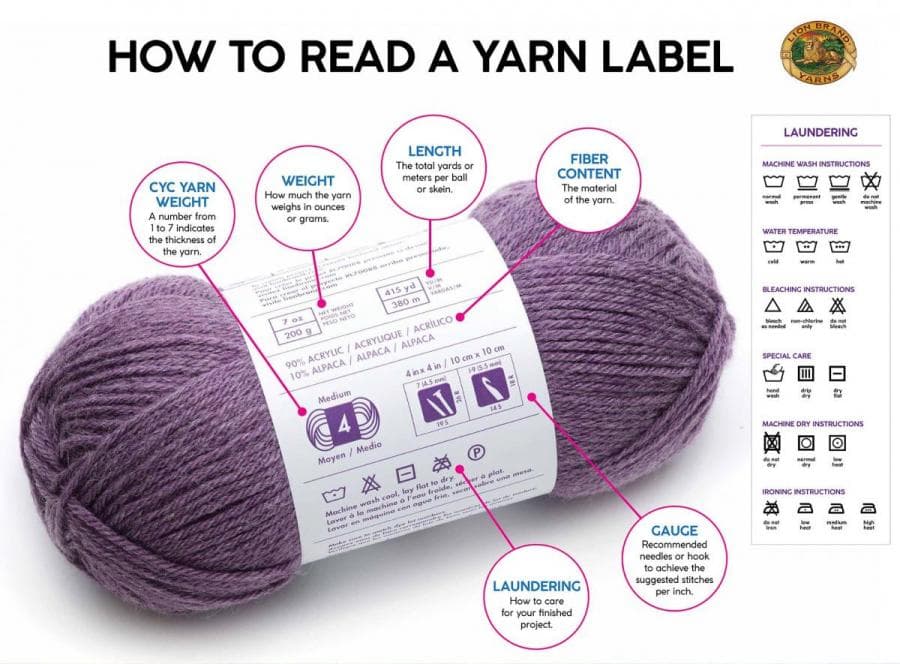
The Council’s project levels, Basic, Easy, Intermediate, and Complex, are useful for setting expectations before you start. Many crochet and knit projects include symbols that help you determine which techniques are likely to appear in the instructions, so you can tell at a glance whether a pattern is truly beginner-level or just labeled that way. For amigurumi, the most useful signal is usually not how fancy the finished toy looks, but whether the pattern leans on those core moves you already know.
What to gather before you start
A first amigurumi project works best when you keep the setup simple. You need yarn that is easy to see and handle, a hook that matches it, stuffing, and a stitch marker so you do not lose your place in the round. Mary Maxim’s beginner framing is especially helpful here because it points readers toward the basic stitches and the kinds of yarns and easy projects that make learning feel manageable.
It also helps to think of amigurumi as a stuffie project in the everyday sense of the word. Merriam-Webster defines a stuffie as a toy covered in fabric and filled with soft material, which is exactly the category many people picture when they think of plush crochet. That mental image is useful for beginners, because it keeps the goal grounded: you are not just making fabric, you are building a little shape that needs volume, balance, and a clean finish.
- Choose a simple shape first, not your dream creature with five extra details.
- Use a stitch marker from the start so your rounds stay honest.
- Keep stuffing nearby, but add it gradually so the piece does not bulge unevenly.
- Pick a yarn that shows your stitches clearly while you are still learning tension.
The beginner mistakes most likely to derail your first plush
The most common trouble spots are easy to predict. Stitches that are too tight can make it hard to insert your hook, especially when you are working in the round and shaping a small piece. Rounds that are not tracked carefully can drift, and then the toy stops looking symmetrical long before you notice the mistake.
Stuffing is another place where first-time makers often go wrong. Too little stuffing leaves the piece limp; too much makes the fabric stretch and the shape distort. The sweet spot is a firm but flexible fill that holds the toy’s silhouette without turning the stitches into stress points.
The last common trap is starting with a project that is too ambitious. A beginner-friendly amigurumi guide is valuable precisely because it reminds you that a first plush should teach you the process, not impress anyone with technical fireworks. Small wins matter here, and the cute result arrives faster when the shape stays simple.
Why this first project works
Amigurumi is popular because it sits right at the intersection of clarity and charm. You learn a focused set of stitches, you practice shaping in the round, and you end up with something you can hold in your hand instead of a rectangle on a hook. For beginners, that combination is powerful because every round gives visible progress.
That is the promise behind Mary Maxim’s approach: the craft becomes approachable the moment you stop treating it like a mystery and start treating it like a sequence of learnable moves. Once you understand the basics, the little stuffed figure in front of you stops looking intimidating and starts looking like the first of many.
This article was produced by Prism’s automated news system from verified source data, official records, and press releases, then run through automated quality and moderation checks before publishing. The system is built and supervised by the people who set the standards it runs under. Read our full AI policy.
Did this article answer your question?