May Butterfly Crochet Square Showcases Interlocking and Mosaic Techniques
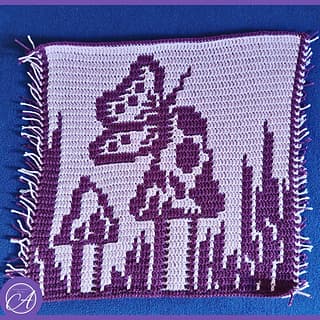
A 20-inch butterfly square that teaches interlocking and mosaic in one project, with enough structure to become a blanket block or wall piece.
Why May Butterfly earns a spot in your queue
A butterfly square that can eat up 490 to 850 yards of worsted weight yarn is not a throwaway motif. May Butterfly is built to be a display piece first, with enough structure to stand alone as a wall hanging or anchor a larger blanket later.
That is exactly why it matters. This square gives you a clean way to practice interlocking and overlay mosaic crochet without signing up for a full afghan before you know which method you actually enjoy working.
A square that teaches while it decorates
May Butterfly is the fifth pattern in Ashlee Brotzell’s 2026: A Year of Butterflies series, a planned set of 12 monthly butterfly-themed blocks. Each square in the series is written in both interlocking crochet and overlay mosaic crochet, so you are not choosing between beauty and skill-building. You are getting both.
That dual purpose is the real hook here. The butterfly image is not embroidered on or faked with surface detail, it is built through structure, which means you can see how the fabric itself creates the picture. For crocheters who like geometric colorwork, that makes the square feel less like a novelty and more like a useful practice block you can keep coming back to.
Interlocking crochet gives you a clean color split
The interlocking version uses Locked Filet Mesh, where chain spaces and double crochets alternate between two colors to form the butterfly. Brotzell describes the method as using two layers of mesh at the same time, which is what gives interlocking its crisp, almost stained-glass look.
If you have wanted to try interlocking crochet but did not want to commit to a full blanket, this is the friendly entry point. The square is large enough to show off the technique, but contained enough that you can work through the color changes and see the structure without drowning in yardage or rows.
What to watch for in the interlocking version
• Keep your tension steady so the mesh layers sit cleanly on top of each other. • Read the chart carefully, because the butterfly shape depends on the placement of chain spaces and double crochets. • Expect the finished fabric to look graphic and tidy, especially once blocked.
Overlay mosaic gives the illusion without the bulk
The mosaic version takes a different route. It uses single crochet and double crochet rows, and the double crochets cover the stitches of the color below to create the inset look. Brotzell also notes that the mosaic method involves cutting yarn at the end of each row, so it has a more stop-and-start rhythm than interlocking.
That rhythm can be a plus if you like clear row structure. You are still building a detailed butterfly motif, but the process feels more like stacking clean bands of color than managing two live layers of mesh. If interlocking looks intimidating, mosaic gives you the same visual payoff from a different angle.
What to watch for in the mosaic version
• Count carefully at row edges, since the overlay effect depends on precise stitch placement. • Expect more yarn ends, because the method calls for cutting at the end of each row. • Let the visual effect do the work, since the motif appears inset even though it is formed by overlay.
The numbers tell you this is a serious block
The pattern listing gives a clear picture of scale. Ravelry lists the yarn as Bernat Super Value Solids in aran or worsted weight, with the interlocking version using roughly 490 to 565 yards and the mosaic version ranging from 600 to 850 yards depending on the version and finish. Finished size lands around 20 inches by 20 inches in one version or 20 inches by 22 inches in another.
That size matters because it puts May Butterfly in the sweet spot between sampler and statement piece. It is large enough to show texture, stitch definition, and motif balance, but not so oversized that you have to clear a month of your life to finish it. For many crocheters, that is the difference between a pattern that gets admired and one that actually gets made.
Why this square feels polished, not experimental
This is not a loose concept sketch. The page includes stitch charts, line-by-line instructions, border options, and tester credits, which is the kind of detail you want when a pattern depends on structure and chart reading. It feels production-ready because the design has already been tested as a real square, not just imagined as one.
Brotzell has been designing interlocking crochet and overlay mosaic crochet patterns since 2020, and that experience shows in the way the square is built. She says almost every pattern she publishes includes full written instructions and charts for both techniques, which is exactly what makes a technical motif like this approachable instead of fussy.
The bigger series gives the square its long-term value
May Butterfly is part of a 12-month project, and that changes how it feels to make. The series is designed so you can collect a new butterfly square each month throughout 2026, then use the finished set for a larger blanket if you want the full payoff.
The eBook version adds another layer of usefulness. Along with monthly updates for the rest of the year, it includes two end-of-year bonus files for an all-in-one blanket pattern, one in interlocking and one in mosaic. That means the individual squares are not just collectibles, they are building blocks for a finished project you can scale up when you are ready.
The butterfly theme also has a personal origin, which gives the series some heart behind the geometry. Brotzell says the idea came from seeing butterflies while she was pregnant with her third child, and that kind of lived-in detail often makes a design series feel more memorable than a purely decorative concept.
A smart first step into a more ambitious style of crochet
If you have been curious about interlocking or mosaic crochet, May Butterfly is the kind of square that makes sense as a first serious try. It has enough visual drama to feel worth the effort, enough structure to teach real technique, and enough flexibility to become part of a blanket, a wall piece, or a signature home decor motif.
That combination is rare. Most patterns give you either a quick win or a big technical lesson. May Butterfly does both, and that is what makes it worth the yarn.
This article was produced by Prism’s automated news system from verified source data, official records, and press releases, then run through automated quality and moderation checks before publishing. The system is built and supervised by the people who set the standards it runs under. Read our full AI policy.
Did this article answer your question?