MJ’s Signature Sweater offers size-inclusive, timeless crochet style
MJ’s Signature Sweater pairs a classic, slightly oversized shape with size-inclusive grading from XS to 5X, making a polished garment feel far more approachable.
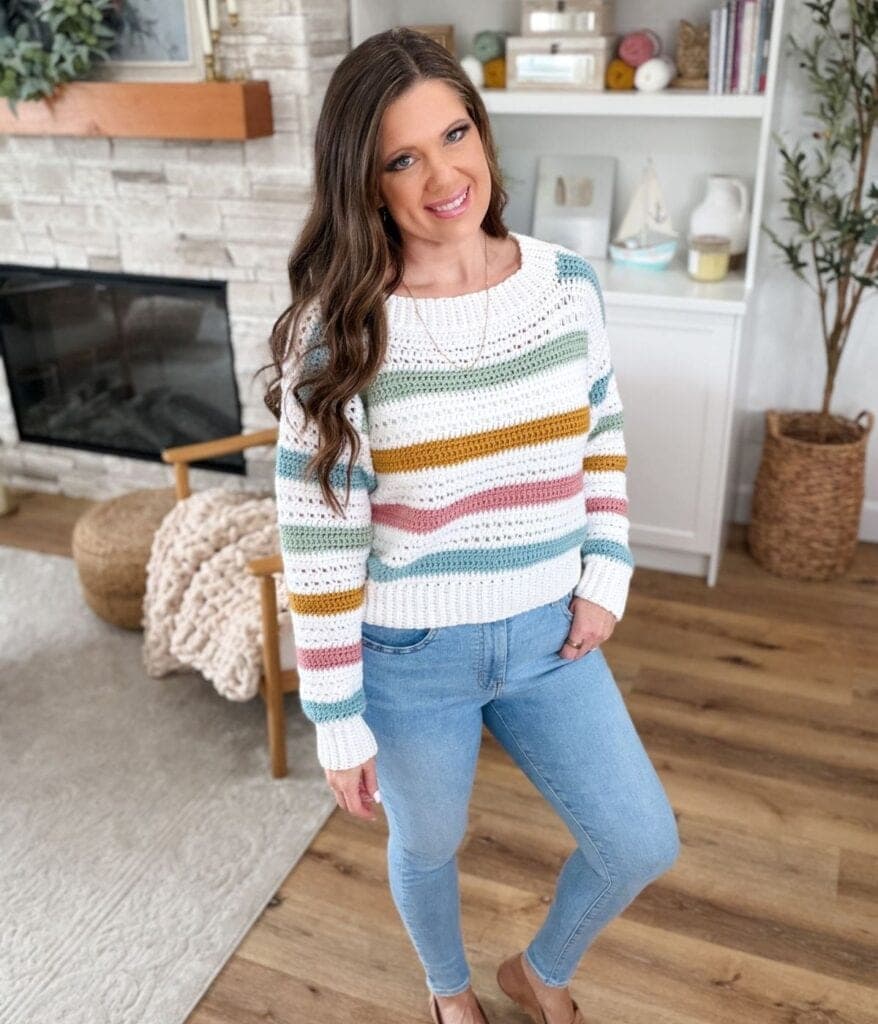
MJ’s Signature Sweater lands where many crocheters want garment patterns to land: polished enough to feel intentional, but structured enough to feel doable. Graded from XS through 5X, it is built around a classic silhouette with thoughtful shaping, so the finished piece reads as a wardrobe sweater rather than a novelty project. That balance matters in crochet, where garment patterns can feel intimidating before a single stitch is made.
A sweater designed around fit
What makes this release stand out is the way it treats fit as part of the design, not an afterthought. The sweater is described as relaxed and slightly oversized, which gives it room to layer and makes it easier to wear across seasons without feeling boxy or overly fitted. At the same time, the pattern leans into shoulder shaping, fitted sleeves, and a modern construction, all of which help the garment hold its shape and flatter a broader range of bodies.
That combination is important for crocheters who have spent too long trying to adapt patterns that were never really built with them in mind. A size-inclusive sweater that still aims for a classic silhouette offers something harder to find than style alone: confidence that the finished piece will look like it was meant for the wearer, not merely made to fit a chart.
The Timeless Tones context
MJ’s Signature Sweater is positioned as one of the featured designs in Michelle Moore’s Timeless Tones Collection, which gives the pattern a clear place inside a larger yarn and design story. Rather than arriving as a one-off garment drop, it reads like part of an ongoing effort to build a cohesive look around color, texture, and wearability. That framing matters because it signals continuity: the sweater is meant to work as part of a broader handmade wardrobe, not sit apart as a special-occasion experiment.
The yarn choice reinforces that idea. The sweater is worked in Timeless Tones yarn, which Moore uses to show off stitch definition and color depth. Mary Maxim describes Timeless Tones Anti-Pilling DK as MJ’s signature yarn line, and the emphasis on stitch clarity makes sense for a pattern that relies on texture as much as shape.
Texture as part of the silhouette
Mary Maxim describes the sweater as featuring “a gorgeous array of colored stripes and textures,” and that phrase captures the visual logic of the design well. The texture is not just decoration sitting on top of the garment. It helps build the sweater’s presence, giving the fabric enough interest to feel modern while still staying grounded in a wearable, everyday shape.
That is where the design becomes especially useful for garment makers. Texture-driven striping can easily tip into busy or fussy territory, but here it appears to be handled as part of the sweater’s structure, not an overlay. The result is a piece that feels polished without losing the ease that crocheters often want from a first or second sweater project.
A pattern that teaches as it goes
The release is built to be more than a pattern sheet. It includes a video tutorial, yardage information, a size chart, fit and ease notes, yarn quantity guidance, construction notes, and project tips, making it a full garment-making resource rather than a barebones download. That kind of support lowers the pressure on makers who are stepping into crochet garments for the first time, while still giving experienced sweater crocheters the detail they expect.
The construction notes are especially revealing. The pattern moves through back band, body setup, shoulder shaping, sleeve instructions, collar setup, and join-as-you-go ribbing. That sequence shows a deliberate approach to structure, with each stage building toward a sweater that sits well on the body and finishes cleanly at the edges.
What the kit and yarn tell you about the project
MJ’s Signature Sweater is also sold as a kit through Mary Maxim, and the kit includes MJ’s Off The Hook Timeless Tones Anti-Pilling DK yarn and the pattern. The project calls for H-8 and I-9 crochet hooks, and Mary Maxim labels it Intermediate Crochet. Those details place it squarely in that sweet spot between accessible and satisfying: approachable for a confident newer garment maker, but substantial enough to keep an experienced crocheter engaged.
The yarn weight fits the brief. Mary Maxim describes DK yarn, also called double knitting or light worsted yarn, as a light weight yarn well suited to warm cardigans, sweaters, scarves, hats, mittens, and baby garments. In other words, this is a practical choice for a sweater meant to be worn, layered, and repeated in real life, not just admired on a hanger.
Mary Maxim also describes the yarn itself as soft, lofty, easy to work with, and offering excellent stitch definition and a comfortable finish. That combination matters in a texture-forward sweater, where the fabric needs enough body to support shaping while still feeling pleasant against the skin. A garment pattern can promise polish, but the yarn has to carry that promise through to the final wear.
Part of a broader maker identity
The sweater also makes more sense in the context of Michelle Moore’s larger crochet presence. Mary Maxim identifies her as best known for viral blanket patterns and for teaching crochet through video tutorials, while MJ’s Off The Hook describes her as a small-town crochet designer, blogger, YouTuber, and animal lover. Those details help explain why this pattern arrives with so much support built in: the teaching component is part of Moore’s design identity.
That background shows up in the sweater’s structure and presentation. The pattern is not framed as a difficult fashion challenge or a one-size-fits-all statement piece. It is framed as a modern, wearable staple with enough guidance to make the process feel grounded, which is exactly what many crocheters want when they decide to commit to a garment.
MJ’s Signature Sweater succeeds by treating size, texture, and construction as one conversation. The classic silhouette is what makes it wearable, the XS through 5X range is what makes it inclusive, and the detailed pattern support is what makes it feel possible. In a field where sweaters can still feel like a leap, that combination is the real signature.
This article was produced by Prism’s automated news system from verified source data, official records, and press releases, then run through automated quality and moderation checks before publishing. The system is built and supervised by the people who set the standards it runs under. Read our full AI policy.
Did this article answer your question?