My Crochet Space updates beginner guide with step-by-step basics
My Crochet Space’s updated beginner guide strips crochet down to the first usable stitches, with tools, tension, and pattern basics made easier to follow.

A new beginner guide from My Crochet Space cuts straight through the early crochet confusion and turns curiosity into a first workable project. Updated on May 20, 2026, the tutorial is built for the moment when a new maker has yarn and a hook in hand, but still needs help getting from there to an actual row of stitches.
A clearer first path into crochet
The guide opens with crochet as a relaxing hobby that can lead to scarves, blankets, and other handmade items, but its real value is in how quickly it narrows the focus. Instead of treating crochet like a vague craft to admire from a distance, it lays out the first skills needed to start making something usable right away.
That approach matters because beginners usually do not get stuck on the idea of crochet itself. They get stuck on the first few technical hurdles: how to hold the hook, how the yarn should move, how the first chain is supposed to look, and how to tell whether the stitches are even doing what they should. This update is strongest when it answers those pain points directly.
What you learn first, and in what order
The tutorial is organized as a step-by-step lesson, which is exactly the right structure for a first project. It starts with the slip knot, moves into the first chain, then shows the first single crochet stitch, and finishes with turning the work so a second row can begin. That sequence gives the reader a path instead of a pile of instructions.
For a new crocheter, that order is the difference between dabbling and making progress. The guide does not overload the reader with stitch families or advanced shaping right away. It focuses on the smallest set of skills needed to create a foundation that can actually be repeated, which is where confidence starts to build.
The first basics the guide emphasizes
- Making a slip knot
- Creating the first chain
- Working the first single crochet stitch
- Turning the work to begin a second row
Those are the exact moments where many beginners either settle in or give up, and the guide keeps each one close enough to follow without feeling like a lecture. The inclusion of video demonstration and photo instructions also makes the lesson friendlier for visual learners who need to see hand position and stitch placement before they can copy it.
The simplest tools to start with
One of the most useful parts of the update is its materials advice. The post says beginners really only need a crochet hook and yarn to start, which lowers the barrier immediately. It also recommends light-colored worsted weight yarn because the stitches are easier to see, a small detail that can save a lot of frustration when the goal is to understand the shape of each stitch instead of guessing at it.
If the first project is meant to become something finished, the guide adds two more basics: scissors and a yarn needle. That comes up in the example of a simple washcloth, where cutting the yarn and weaving in the ends are part of making the piece look complete. It is practical advice, not craft-room clutter, and it keeps the first project grounded in real finishing work.
Why the tone works for beginners
The guide is also reassuring in a way that beginner content often is not. It tells readers not to panic if the first stitches look uneven and reminds them that nobody makes perfect first stitches. That line does a lot of work. It normalizes the messy stage that every crocheter goes through and makes the learning curve feel manageable instead of embarrassing.
That supportive tone is a real part of the instruction. Beginners are not just learning motions, they are learning how to read their own progress without quitting too soon. By pairing the basics with reassurance, the tutorial removes one of the biggest mental blocks in the craft: the idea that the first attempt has to look polished before it counts.
How the update fits into the wider craft
Crochet has a much longer story than a single how-to guide. Britannica traces the craft back to the 19th century, when it developed from chain-stitch embroidery done with a hook instead of a needle. It also notes that crochet was introduced into Ireland in the late 1840s as a famine-relief measure, which places the craft in a history of practical making, not just decoration.
That background matters because crochet has always sat at the point where usefulness and accessibility meet. Britannica dates the Victorian era roughly from 1837 to 1901, which gives the craft its broader historical setting and shows how crochet grew during a period when textile work was deeply woven into daily life. The beginner guide fits that legacy by keeping the first steps simple, functional, and approachable.
How the modern learning path is set up
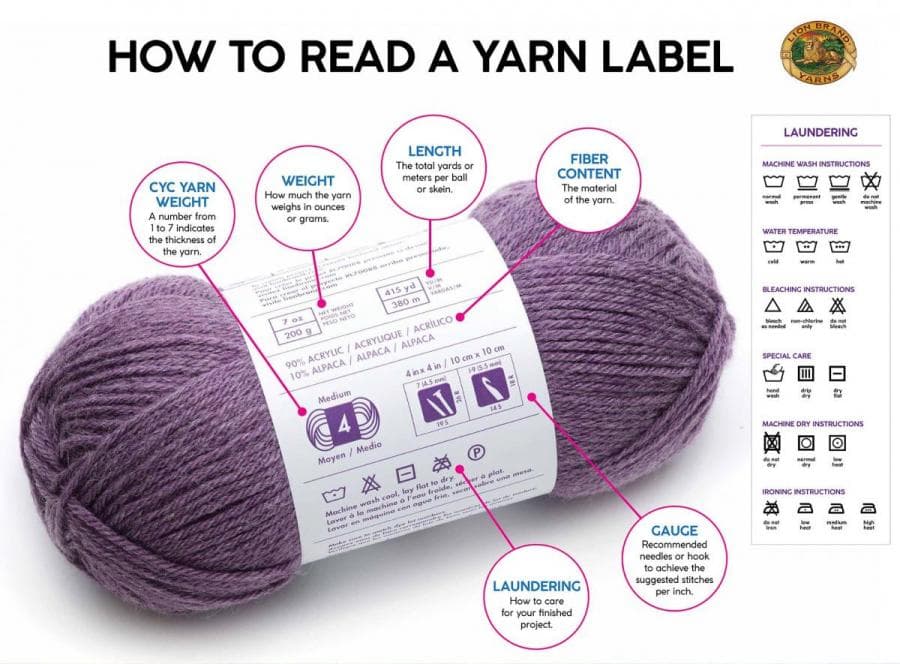
The My Crochet Space update also lines up with the way the wider yarn world teaches. The Craft Yarn Council says the yarn industry uses a Standard Yarn Weight System, and it notes that hook and needle packaging commonly uses both U.S. sizing and metric millimeter sizing. It also advises beginners to follow the yarn weight and hook size specified in a pattern or on a yarn label, which is exactly the kind of detail that prevents avoidable mistakes early on.
That guidance matters because crochet is not just about making loops. It is about matching the right yarn, hook, and pattern so the stitches behave the way the designer intended. The Craft Yarn Council also says more than 50 million people know how to knit, crochet, and craft with yarn, a reminder that this is a huge, active craft community with plenty of room for new makers to join in.
The American Crochet Association reinforces that idea with a beginner course built around choosing yarn and tools, basic stitches, and pattern reading. It also names the slip knot, chain stitch, single crochet, half double crochet, and double crochet among its foundational lessons. That makes the learning path feel staged rather than overwhelming: first the setup, then the stitches, then the language of patterns.
For anyone starting from zero, that is the shortest route to a first usable project. My Crochet Space does not try to impress with complexity. It does something more valuable: it takes the reader from hook and yarn to a first row, and makes that first row feel like a real beginning.
This article was produced by Prism’s automated news system from verified source data, official records, and press releases, then run through automated quality and moderation checks before publishing. The system is built and supervised by the people who set the standards it runs under. Read our full AI policy.
Did this article answer your question?