Nomad Knot releases cheerful blue elephant amigurumi crochet pattern
A tiny blue elephant in a striped sweater and red hat makes this free pattern an easy crowd-pleaser, with photo guidance and gift-ready charm baked in.
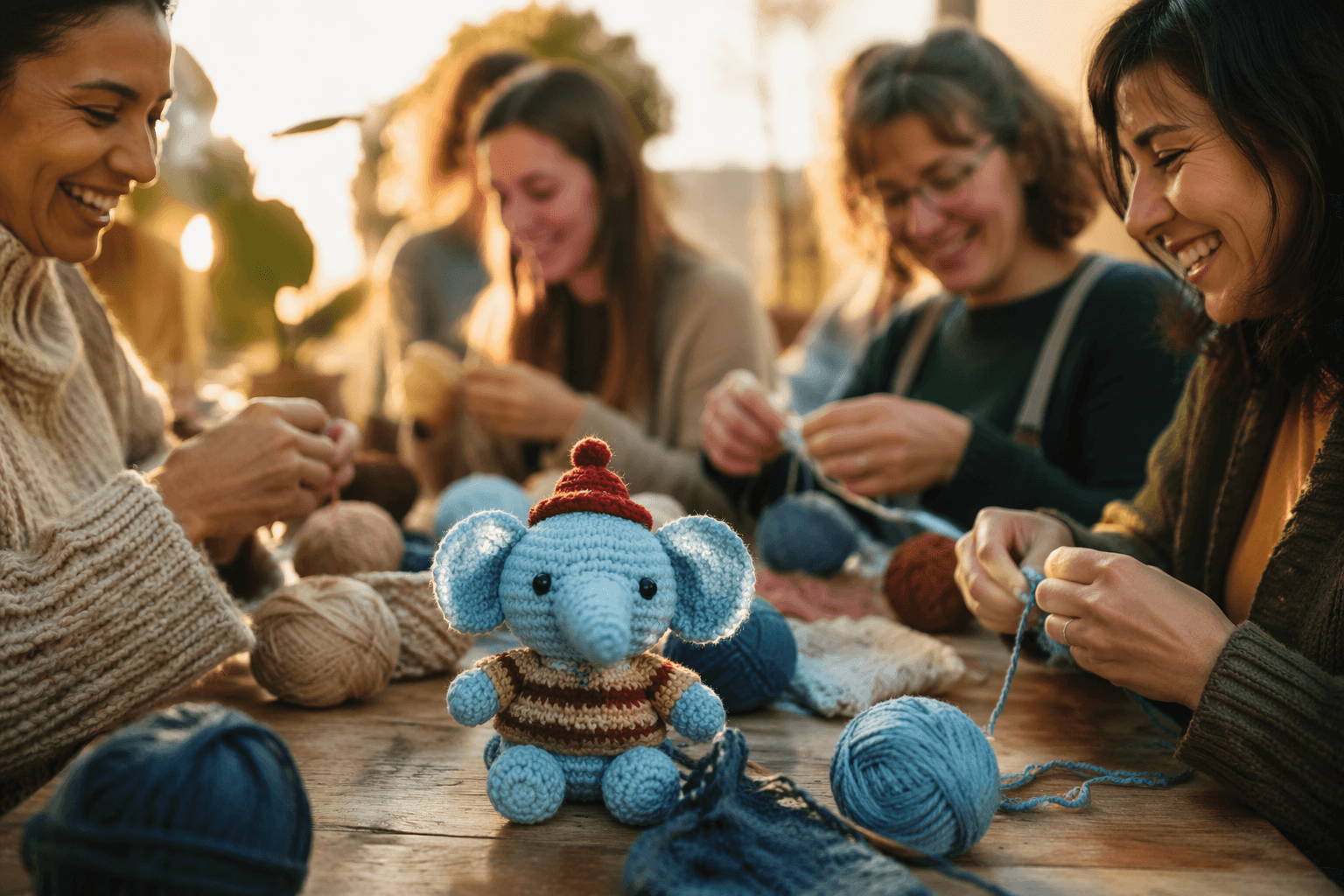
A cheerful blue elephant in a striped sweater and tiny red hat is exactly the kind of amigurumi that earns a permanent spot in a crochet queue. Nomad Knot’s free Crochet Happy Elephant Amigurumi Pattern leans hard into personality, giving this small toy enough charm to feel special while still staying approachable enough to make again in different colors.
A small elephant with a lot of presence
The first thing that separates this pattern from the usual parade of cute animals is the styling. Ana introduces the elephant as a happy blue amigurumi with big ears, a compact shape, and playful accessories that give it instant character. The striped sweater and red hat do a lot of visual work here, turning a simple animal into something that feels dressed for a party and ready to be gifted.
That matters in amigurumi, where hundreds of patterns can start to blur together. This elephant stands out because it is not just “cute” in a generic sense. It has a clear personality, and that personality comes through in the color choices, the clothing, and the overall rounded, cuddly look. It feels like the sort of toy that would make someone smile before they even pick it up.
Built for fun from first stitch to final assembly
Ana says the design was made to be fun and rewarding from start to finish, and that intention shows in how the project is framed. The pattern is meant to feel detailed enough to be satisfying, but not so fussy that it becomes a slog. That balance is especially appealing if you want a project that keeps your interest without demanding a full-scale production session.
The page also presents the elephant as approachable enough that you might want to make it more than once, which is a strong sign of a good amigurumi pattern. When a design invites color swaps, it usually means the shaping and finishing have enough structure to hold up across versions. In practice, that opens the door to a whole little herd of elephants, each with its own palette and mood.
Step-by-step help for a smoother make
One of the most useful parts of this release is the step-by-step photo tutorial. That makes the pattern especially practical for crocheters who like to see each stage of the build instead of relying only on written instructions. When a project involves shaping and assembly, photos can make the difference between a straightforward afternoon make and a frustrating detour.
The photo guidance also makes this a strong pick for makers who want confidence while working through amigurumi construction. Even if you already know your way around stuffed toys, a photo tutorial can speed up the process and help keep details consistent. For newer crocheters, that same visual support can turn the elephant into a confidence-builder rather than a challenge to abandon halfway through.
Why the no-sew angle matters
Ana also points readers toward other no-sew amigurumi patterns on the blog, which places this elephant within a broader design style that favors quick construction and less assembly stress. That is a meaningful detail for anyone who loves the look of amigurumi but would rather spend time stitching than sewing pieces together. Fewer joins often means a cleaner finish and a faster path from last stitch to finished toy.
The elephant fits neatly into that mindset because it is presented as a project that values both charm and efficiency. The emphasis on a guided, accessible build suggests a pattern made for practical enjoyment, not just display. If you like projects that feel polished without turning into a marathon of attachment work, this release lands in a very useful sweet spot.
Part of a larger Jungle Collection
This elephant is not a lone character dropped into the wild. It belongs to Ana’s Jungle Collection, alongside a crocodile and a tiger, which gives the release a built-in sense of momentum. That collection connection matters because themed sets tend to deepen a maker’s interest far beyond a single pattern.
When one animal lands well, the rest of the lineup suddenly becomes more tempting. That is part of the appeal here: the elephant does not just function as a one-off toy, it also acts as an invitation into a broader world of jungle characters. For crocheters who enjoy building matching sets, the pattern is doing double duty as both a standalone project and a gateway piece.
Best uses for the finished elephant
The design’s compact size, big ears, and soft styling make it easy to imagine in a few different settings. The page frames it as cuddly and giftable, and those qualities point to some especially natural uses. It could work as a nursery decoration, a child’s toy, a handmade present, or a collection piece for anyone who likes themed animal sets.
That versatility is part of what makes the elephant such a strong recommendation. A pattern earns extra value when it can move between shelf display and playroom without losing its appeal. This one seems built for exactly that kind of flexibility, which is another reason it feels memorable in a crowded amigurumi field.
- Nursery decor: the rounded shape and gentle look suit a baby room well.
- Gift make: the sweater-and-hat styling gives it a thoughtful, finished feel.
- Child-friendly toy: the compact form makes it easy to hold and carry.
- Collection piece: it fits naturally with the rest of the Jungle Collection.
- Color-play project: the design invites repeats in different shades.
The happiest thing about this elephant is how quickly the whole idea clicks. A blue body, a striped sweater, a tiny red hat, and a cheerful face are enough to make it feel like a keepsake instead of just another stuffed toy. In a pattern world crowded with cute options, that kind of personality is what gives a small elephant real staying power.
This article was produced by Prism’s automated news system from verified source data, official records, and press releases, then run through automated quality and moderation checks before publishing. The system is built and supervised by the people who set the standards it runs under. Read our full AI policy.
Did this article answer your question?