Oversized crochet sweater dress with hood blends comfort and texture
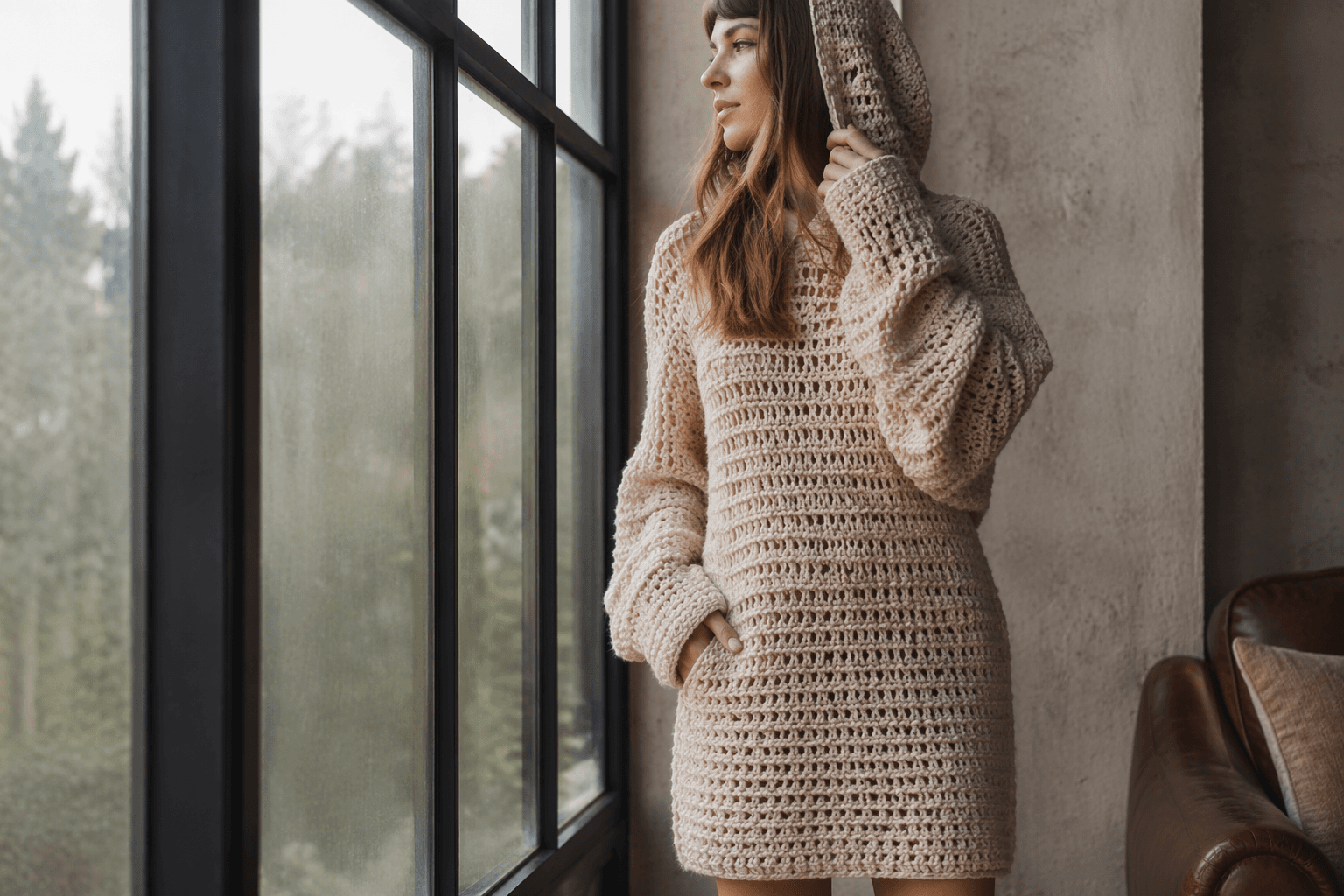
This hooded crochet sweater dress turns comfort into a real outfit, using simple stitches, texture, and fit tweaks to keep an oversized shape polished.
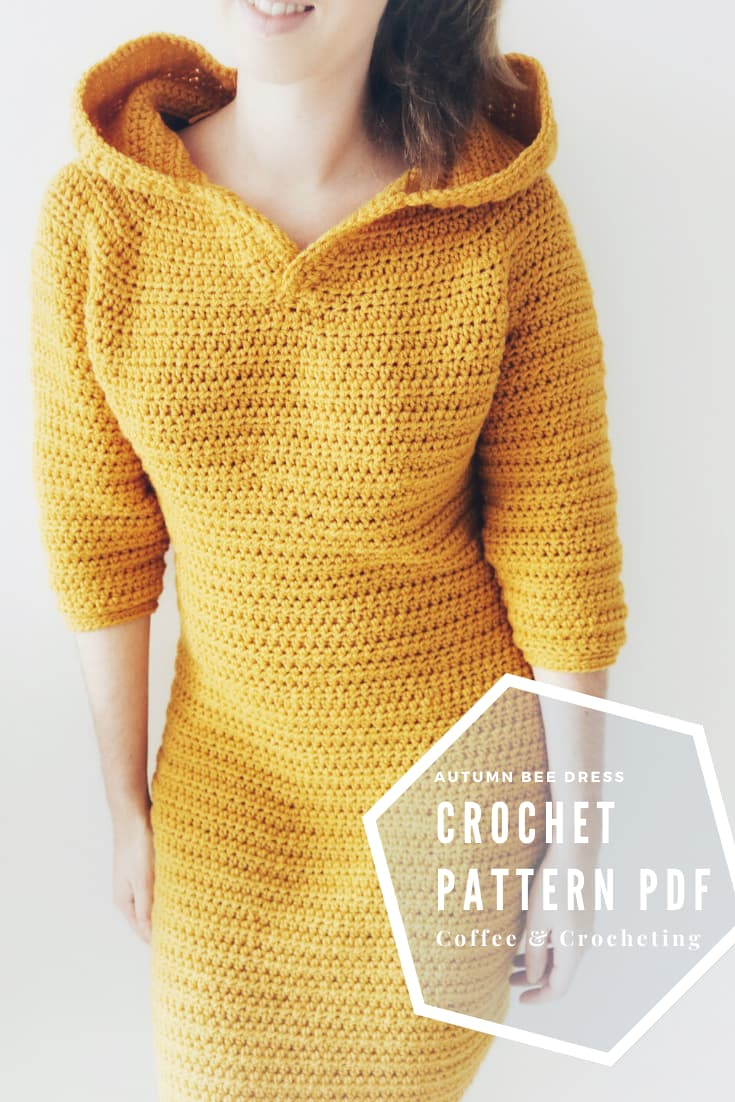
An oversized crochet sweater dress with a hood solves a familiar wardrobe problem in handmade clothing: how to stay comfortable without ending up in something that feels unfinished or boxy. The relaxed silhouette gives the piece an easy, casual drape, while the texture and hood make it feel intentional enough for everyday wear, not just loungewear.
Why the oversized fit works
The oversized shape is the first reason this dress stands out as a practical garment project. It feels less intimidating than a tightly fitted piece, which matters when you want to move into crochet clothing without wrestling with precision shaping at every turn. The relaxed cut also makes the dress easier to imagine in real life, because it works as a layered piece instead of demanding a perfect, body-skimming fit.
That same looseness gives the design range. It can read as a cozy dress for at-home wear, a layered outfit for cool evenings, or a handmade statement piece with enough ease to feel wearable all day.
Texture that keeps the fabric polished
The stitch work is simple on purpose. Single crochet and double crochet provide a familiar foundation, while the suzette stitch adds the surface texture that keeps the fabric from looking plain. That balance matters in an oversized garment, because a smooth, repetitive stitch pattern can sometimes make a large piece look flat or shapeless.
Here, the texture does the opposite. It gives the fabric visual depth, so the dress looks more refined than the stitch count alone might suggest.
The hood changes the whole job of the dress
The hood is not there just for style. It adds warmth and a practical layer of coverage, which immediately pushes the dress into cooler-weather territory and makes it feel less like a novelty and more like part of a real wardrobe. That extra function is what lets the piece work as something you can pull on when the temperature dips or when you want a little more comfort without adding another accessory.
AllFreeCrochet groups crochet dresses as pieces that can be light and airy for summer or useful for layering when it is colder out, with coverage that stretches across spring, fall, and winter wear. This hooded version lands firmly in the layering camp, where comfort and practicality are just as important as style.
Materials and fit signals that keep the project grounded
The materials list is straightforward: medium-weight yarn, a 5.5 mm crochet hook, scissors, a darning needle, and a measuring tape. That combination tells you a lot about the project before you even begin. Medium-weight yarn gives the dress enough body to hold its shape, while the 5.5 mm hook keeps the fabric in a workable range for clothing rather than making it too dense or too loose.
The measuring tape matters just as much as the hook. Schematics give you an overview of a piece’s size and shape and a point of reference for determining fit, and the Craft Yarn Council recommends reviewing the schematic before you begin. Its sizing guidance also notes that many crochet and knitting patterns include bust, neckline, back, waist, and sleeve length measurements, which is exactly the kind of information that helps an oversized garment stay flattering instead of drifting into a generic rectangle.
How to make the silhouette work for your body
The best part of this dress is that it is built as a base design, not a rigid formula. The pattern allows for customization in the ribbing length, sleeve length, and the front and back panel lengths, so the final silhouette can be adjusted to suit different proportions or style preferences. Those options matter because an oversized piece still needs structure if you want it to look intentional.
A longer ribbing section can anchor the shape. Changing the sleeve length can shift the garment toward a slouchier or neater finish. Adjusting the front and back panel lengths lets you decide how much coverage and drape you want, which is especially useful when you are trying to balance comfort with the proportions of a real outfit.
The sample’s concrete panel measurements and sleeve row counts add another layer of usefulness. They give you a technical framework to follow while still leaving room to shape the garment into something that fits your closet, not just the pattern page.
This article was produced by Prism’s automated news system from verified source data, official records, and press releases, then run through automated quality and moderation checks before publishing. The system is built and supervised by the people who set the standards it runs under. Read our full AI policy.
Did this article answer your question?