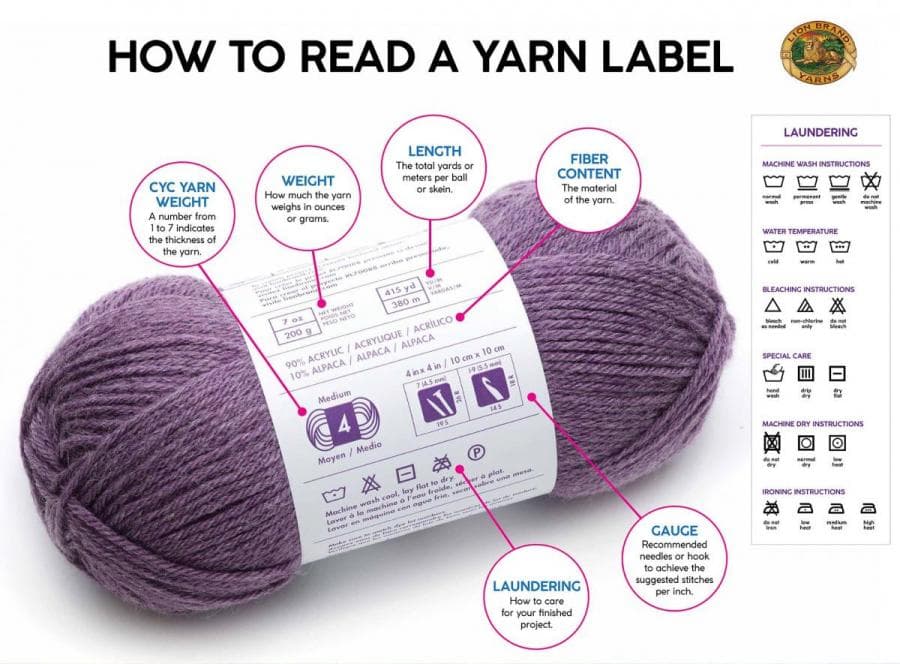
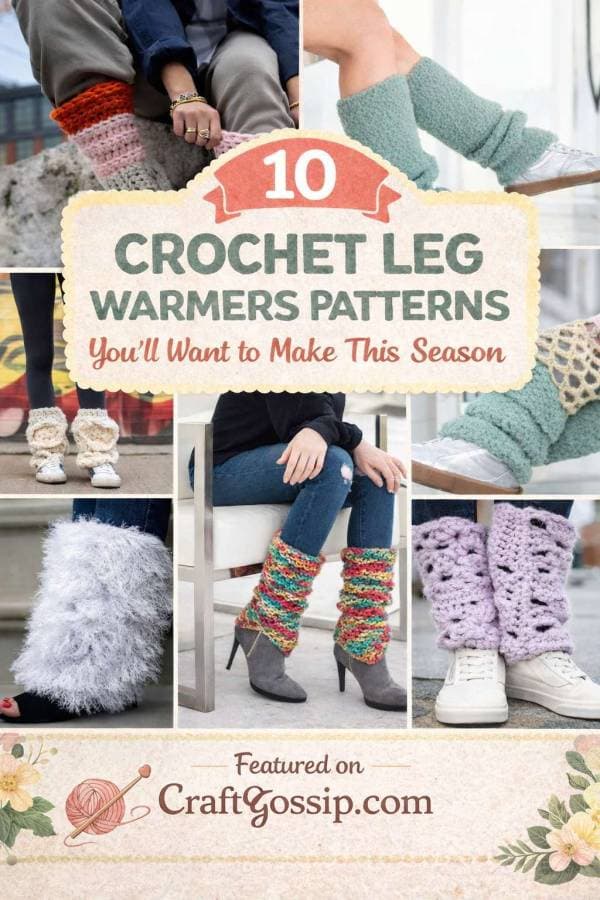
Photo Tutorial Shows Nora Stitch, Adding Texture Without Complex Shaping
A new photo lesson breaks down the Nora Stitch into linked HDC and back-loop rows, giving crocheters an easy way to build polished texture.

Nora Stitch makes texture feel approachable
crochetmelovely’s new Nora Stitch photo tutorial turns a textured fabric into something you can actually use right away. Instead of asking you to master a tricky shape or an elaborate motif, the lesson shows how a repeating structure built from linked half double crochet and back-loop single crochet creates a fabric that looks far more intricate than its parts. That balance, simple mechanics with a polished result, is exactly why the stitch stands out.
The tutorial is especially useful if you want texture without committing to complicated shaping. The Nora Stitch works as a rhythm, not a one-off trick, which makes it easy to remember once you’ve worked through the sequence. It also sits comfortably in the sweet spot many crocheters love: visually interesting, but still practical enough to use in real projects.
What you need before you start
The written lesson assumes you already know a short list of basics: chains, single crochet, half double crochet, linked half double crochet, and back-loop work. That foundation matters because the stitch builds from familiar motions rather than introducing a completely new construction.
You do not need to overthink your first swatch, either. The tutorial says any yarn or hook can be used for learning, which lowers the pressure and makes this a good stitch to test with whatever is already in your bag. If you like to swatch before you commit, this is the kind of pattern that rewards that habit without demanding specialty supplies.
How the Nora Stitch is built
At its core, the Nora Stitch uses a repeating two-row rhythm. The tutorial walks through making a regular half double crochet, then a linked half double crochet, followed by a row of back-loop single crochet, then repeating that structure to build the fabric. That sequence is what gives the stitch its layered look.
The half double crochet is a familiar anchor, and the Craft Yarn Council defines it with the standard motion many crocheters already know: yarn over, insert the hook, yarn over and pull up a loop, then yarn over and draw through all three loops on the hook. That standard keeps the stitch grounded in common crochet language, even as the linked variation changes the look of the fabric. The result is a surface that reads as subtle mesh or lace-like texture, not openwork so delicate that it falls apart in everyday use.
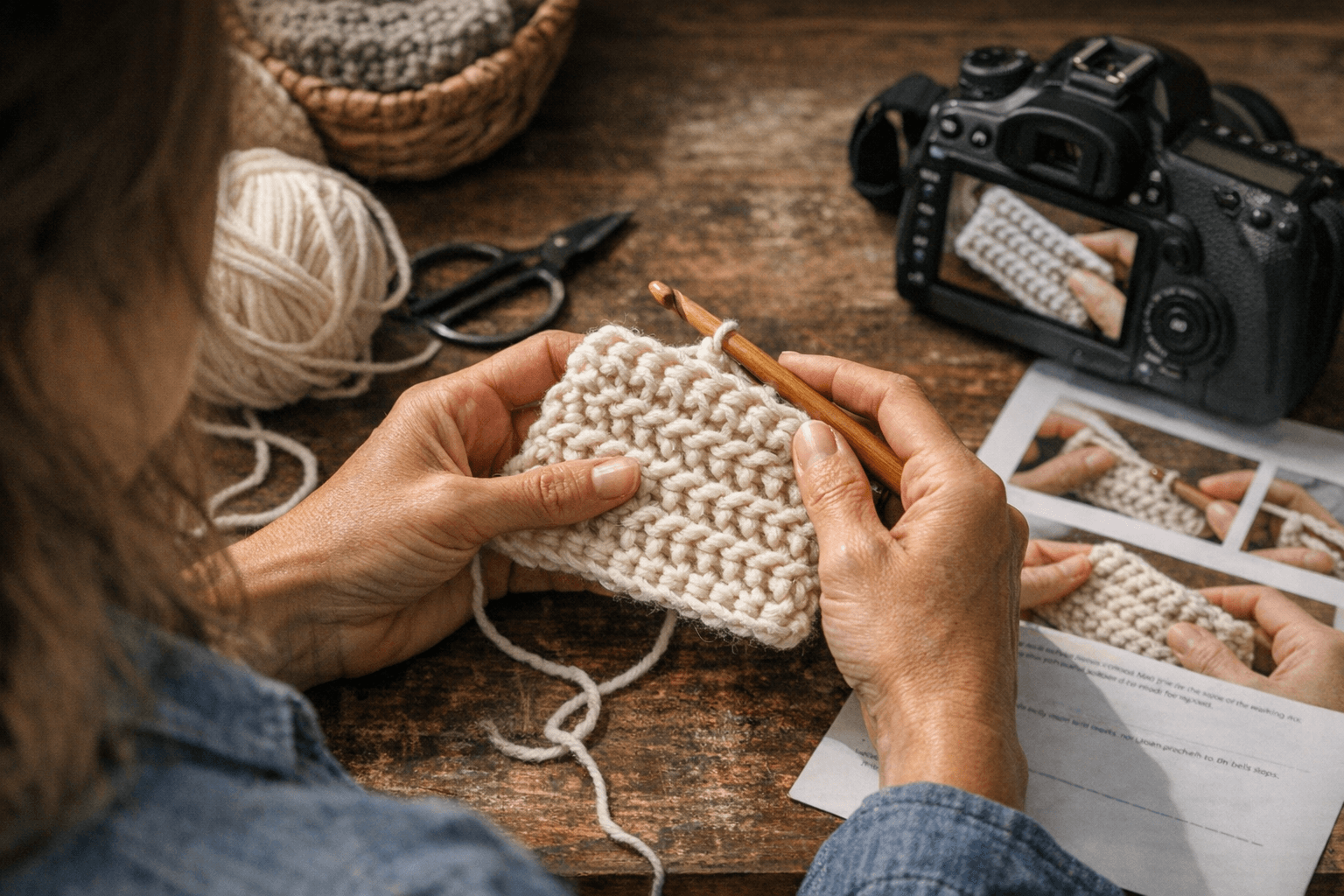
Linked half double crochet is often described as dense, flexible, and woven-looking, which helps explain why it works so well here. Back-loop work adds another layer of interest by shifting the stitch definition and creating a little extra drape and depth. Together, the two techniques give the Nora Stitch its signature texture without making the fabric feel fussy.
Why the photo tutorial format matters
Photo-based teaching makes a real difference for a stitch like this. When you are learning a new texture, a still image can freeze the exact placement of the hook, the loop, and the working yarn in a way that lets you compare your own work line by line. That is especially helpful when you are moving between a regular HDC, a linked HDC, and a back-loop row in the same repeat.
crochetmelovely also published a companion video tutorial on April 15, 2026, six days before the photo lesson. That pairing gives you two ways to learn the same stitch, which is useful if you prefer to see motion first and then check the photos while you work, or if you like to pause a still image while you build muscle memory. The blog points readers to the video as the newest walkthrough for the Nora Stitch, and that makes the lesson feel like part of an active teaching stream rather than a one-off drop.
Where this stitch fits in your project queue
The Nora Stitch is not just a technique to admire in a swatch. Its texture has clear project potential, especially in garments, accessories, and openwork home items that benefit from a polished, patterned fabric. Because the fabric looks more complex than the stitch count suggests, it can give finished pieces a more intentional, designed feel without adding much construction stress.
That makes it a smart choice when you want something that feels special but still wearable. A textured panel can elevate a cardigan front, a scarf, a market bag, or a lightweight home accent, and the repeating nature of the stitch means you can scale it up without redesigning the whole project. It is the kind of technique that can quietly become a favorite because it gives you a lot of visual payoff for a manageable amount of effort.
The stitch also suits makers who like to build a personal stitch library. Once you know how the repeat behaves, you can start imagining it in different yarn weights and different finishes, from crisp cotton to softer blends. The fact that the lesson allows any yarn or hook for learning makes that experimentation feel accessible from the start.
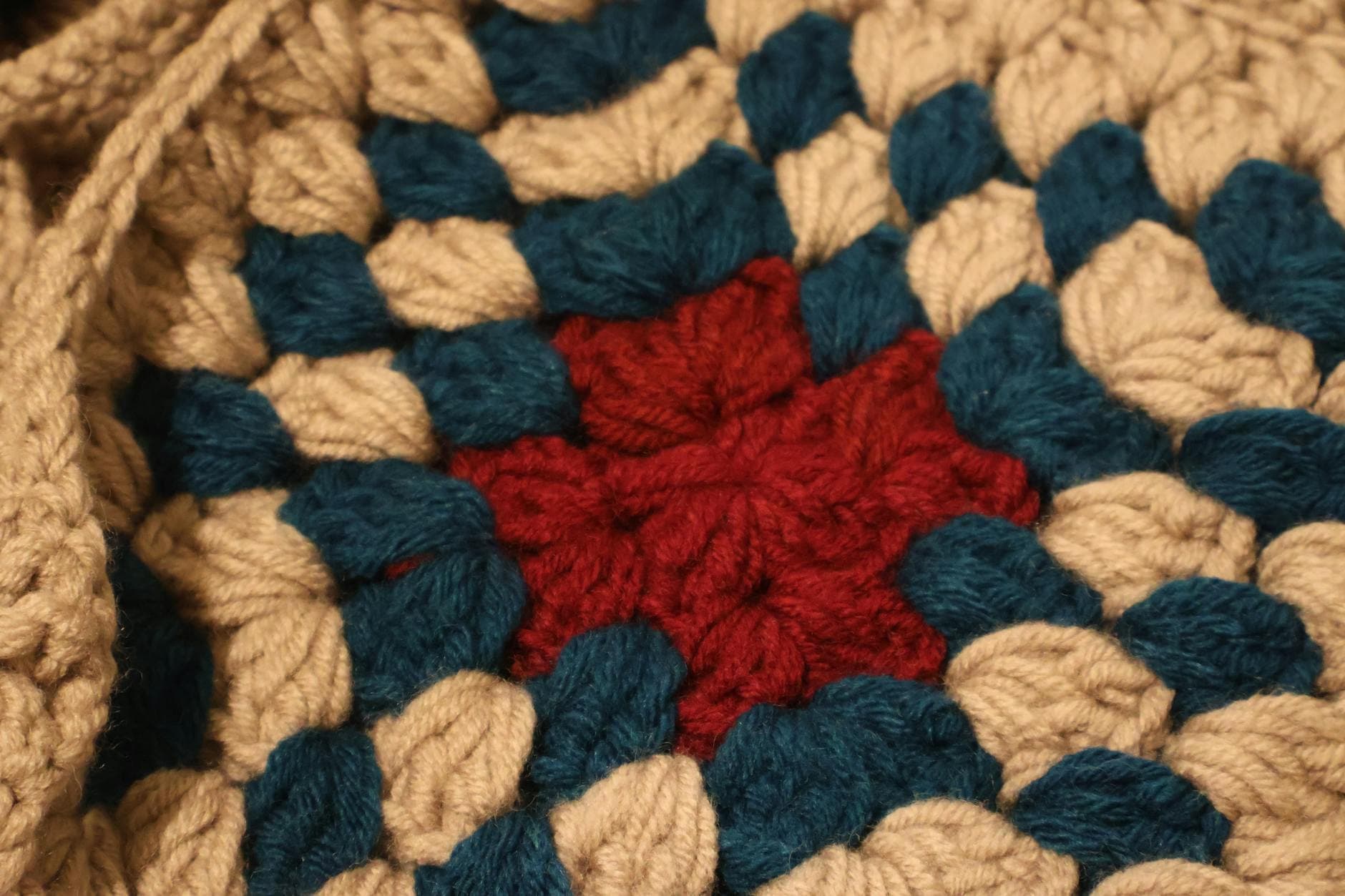
Part of a bigger stitch library
crochetmelovely is not presenting the Nora Stitch in isolation. The photo tutorial links it into playlists for Mesh Stitches and Lace Stitches, which places it squarely in the family of textured, breathable fabrics crocheters often reach for when they want surface interest without bulk. The post also points to Back Crossed Half Double Crochet Stitch, giving you a clear next stop if you want to keep exploring related fabric effects.
That broader context matters because it shows how the Nora Stitch fits into a larger way of working. It is not about inventing a brand-new crochet language. It is about combining familiar stitches in a way that expands what those stitches can do, which is a big part of how crochet keeps evolving.
Why this stitch belongs in modern crochet learning
Crochet has always been built on familiar blocks that get recombined into fresh results. Interweave notes that the craft likely originated in the early nineteenth century, and by the first quarter of that century the basic stitch set already included chain stitch, slip stitch, single crochet, half double crochet, and double crochet. That history makes the Nora Stitch feel very much in line with crochet’s long tradition: take the basics, shift the placement, and discover a new surface.
The Craft Yarn Council’s standards also underline why tutorials like this are so useful. Standard symbols and clear stitch definitions give crocheters a shared language, which means the Nora Stitch can be taught, read, and repeated without guesswork. In that sense, the photo lesson is doing exactly what the best stitch guides do: it turns a texture that looks novel into something you can immediately put to work.
crochetmelovely’s regular posting schedule adds to that sense of momentum. The site says new YouTube videos arrive every Monday and Thursday, plus one bonus video each month, so the Nora Stitch lands as part of a steady flow of fresh instruction. That ongoing pace makes the tutorial feel especially practical for anyone building a stitch library one textured repeat at a time.
The Nora Stitch delivers a polished look, a clear repeat, and enough versatility to earn a place in your next swatch pile, your next accessory, and probably your next favorite fabric.
This article was produced by Prism’s automated news system from verified source data, official records, and press releases, then run through automated quality and moderation checks before publishing. The system is built and supervised by the people who set the standards it runs under. Read our full AI policy.
Did this article answer your question?