Rich textures crochet shares free everyday dishcloth pattern
A free dishcloth pattern is winning on usefulness: fast, affordable, and textured enough to become a go-to make.
Why dishcloths keep beating flashier projects
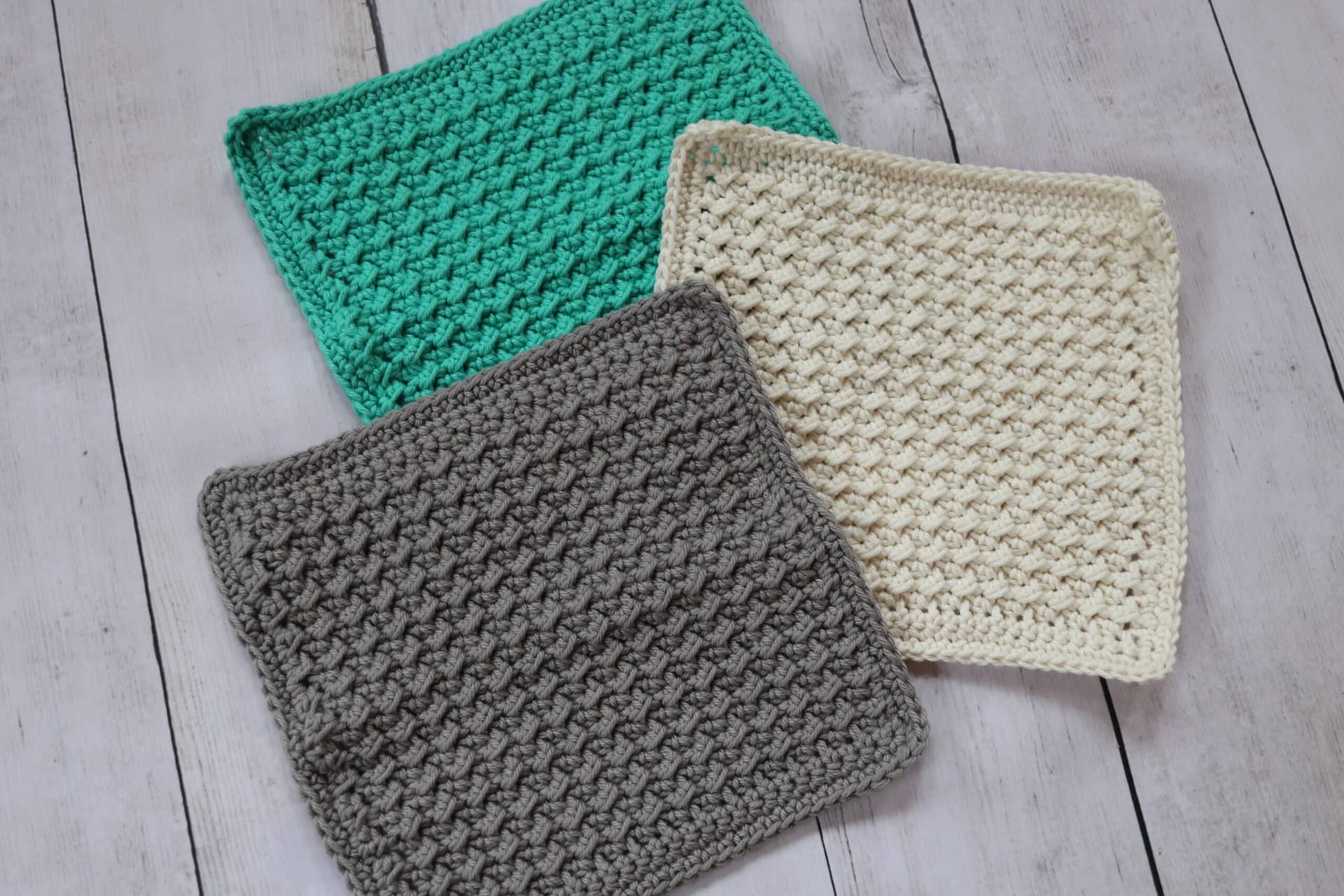
The Everyday Dishcloth from Rich Textures Crochet lands in the sweet spot every crocheter knows: useful, attractive, and quick enough to finish before the project starts feeling like homework. At about 8 by 8 inches, it asks for roughly 120 yards of yarn and an H/8, 5 mm hook, which keeps the cost and commitment low while still giving you something that will actually live in the kitchen. That practical balance is exactly why a well-made dishcloth can become a default repeat instead of a one-off pattern you admire and forget.
A tidy texture that works from both sides
The pattern is built on the even moss stitch, a fabric made from half double crochet and slip stitch. That stitch choice matters because it creates a double-sided texture that looks clean on the front and the back, which is a bigger deal in a dishcloth than it might be in a decorative square. The designer finishes the cloth with a couple of rounds of single crochet, giving the edges a crisp frame and helping the whole piece feel complete rather than merely functional.
That combination of texture and simplicity is part of the appeal. The even moss stitch gives you enough pattern to keep the work interesting, but not so much that it becomes fussy. For a beginner, that means practice with stitch rhythm and tension; for an experienced crocheter, it means an easy make that still feels satisfying in the hand.
Why cotton is the point, not just the suggestion
The yarn recommendation is just as practical as the stitch pattern. Rich Textures Crochet calls for 100 percent cotton, specifically Dishie from Knit Picks and WeCrochet, because cotton stands up well to repeated washing and everyday kitchen use. Knit Picks describes Dishie as a worsted-weight, 100 percent cotton yarn with a tight spin and high absorbency, made for hardwearing dishcloths and hand towels that stay bright and colorful wash after wash.
That matters more than it sounds. A dishcloth is only as good as its ability to handle water, soap, and constant laundering, and cotton is the fiber that makes that possible without turning the project into something delicate or precious. Dishie is also machine washable, sold in 100-gram skeins with 190 yards each, and positioned as a kitchen staple, which lines up neatly with what crocheters usually want from this kind of project: easy care, reliable wear, and a fabric that holds up after real use.
Small project, real utility
Dishcloths keep earning their place in crochet because they are one of the few projects that deliver immediate usefulness without demanding much yarn or time. They let you practice a new texture, try out a stitch pattern, and still end up with something that will be used instead of tucked into a drawer. That is part of the reason dishcloths remain such dependable starter projects: they are quick, practical, and forgiving enough to teach basic skills without the pressure of a blanket or garment.
The Everyday Dishcloth fits that role especially well because it offers a polished finish without complexity overload. The double-sided texture gives it a more finished look than a plain square, and the cotton choice makes it genuinely functional for dishes or hands. It also works as a giftable staple, because a handmade cloth that is attractive, washable, and useful feels thoughtful without being overdesigned.

A pattern that feels built for repeat making
One of the strongest signals here is that this does not read like a one-off concept. Rich Textures Crochet published the pattern on June 5, 2026, and the designer says the written version is free on the blog, with a free video tutorial to follow. That accessibility lowers the barrier for crocheters who like to learn visually, and it also makes the project easy to revisit whenever you want a fast make.
The designer’s broader teaching presence reinforces that sense of reliability. Rich Textures Crochet’s YouTube channel says it posts a new stitch tutorial every Sunday at 10 a.m. EST, and the channel has more than 327,000 subscribers. That kind of audience tells you the maker behind the pattern is already known for clear instruction, which is part of why a simple kitchen cloth can feel like a trustworthy choice rather than just another freebie in the queue.
What makes it a strong beginner or gift project
The real question is whether the texture-plus-cotton combination genuinely earns its keep, and the answer is yes. The even moss stitch gives you a neat, reversible fabric without complicated shaping. The cotton gives you durability and absorbency. The finished 8-by-8-inch size keeps the project manageable, while the 120-yard material estimate makes it easy to plan from stash or pick up one skein and get started.
- Beginner-friendly without feeling plain
- Double-sided texture that looks clean in use
- Cotton fibers that handle washing and drying well
- Small enough to finish quickly, useful enough to keep making
- A strong stash-buster for leftover kitchen cotton
That mix is why dishcloths continue to outperform flashier crochet projects in the background of the hobby. They are not trying to be the biggest thing on your hook. They are trying to be the smartest, the most usable, and the easiest to make again next week.
A familiar formula, refined
Rich Textures Crochet has also been here before. A dishcloth pattern from about a year earlier, Traditions Dishcloth, also used moss stitch and Dishie cotton, which suggests the designer is building a recognizable line of textured kitchen patterns rather than tossing out isolated releases. That continuity matters because it shows the appeal is not a gimmick. It is a formula that works: tidy texture, dependable cotton, small scale, and a finished cloth that feels right at home in daily use.
In the end, the Everyday Dishcloth succeeds for the same reason the best kitchen makes always do. It is practical first, pretty second, and fast enough to become the sort of pattern you reach for again before you have even put the yarn away.
This article was produced by Prism’s automated news system from verified source data, official records, and press releases, then run through automated quality and moderation checks before publishing. The system is built and supervised by the people who set the standards it runs under. Read our full AI policy.
Did this article answer your question?