Two-cat crochet pattern makes a matching amigurumi pair in one design
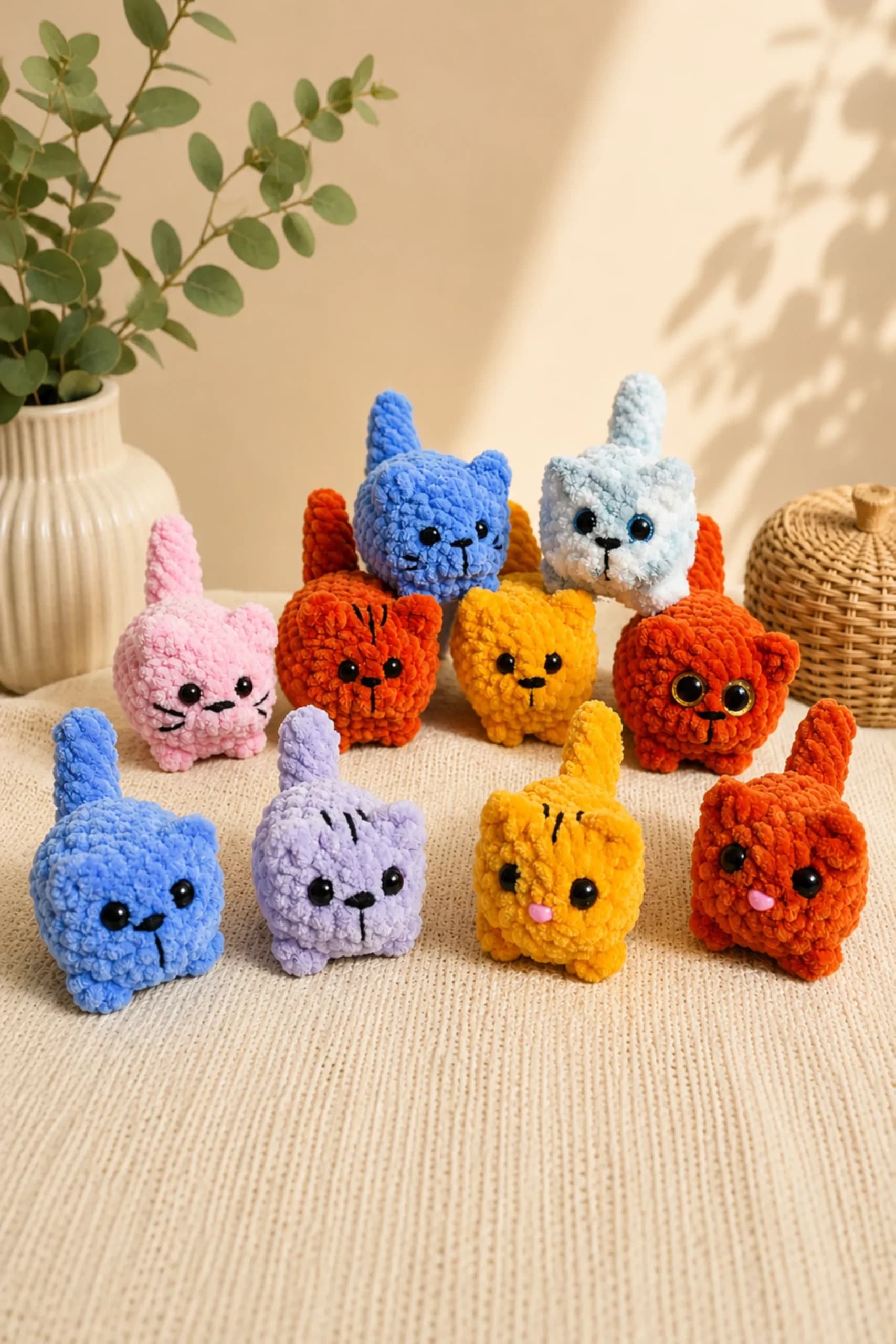
One pattern gives you a big cat and a mini sidekick, so you get a matched amigurumi pair without doubling the planning.
Why the two-cat setup stands out
This pattern earns attention because it does something crocheters always appreciate: it gives you more finished value from one set of instructions. Instead of one cat, you get a larger cat and a mini companion, which makes the project feel instantly more useful for gifting, display, or stash-busting practice.

Published May 12, 2026, it lands in that sweet spot between simple and satisfying. The appeal is not a flashy new stitch or a complicated sculpting trick. It is the built-in pair concept, the kind of idea that turns a familiar amigurumi animal into something that feels smarter than the average single-toy pattern.
For anyone who likes a matching shelf set, a nursery pair, or a gift that looks more intentional than a lone plush, that matters. Two cats from one design also mean the second make has a built-in payoff: once the structure is familiar, the mini version moves faster and feels less like starting over.
How the construction works
The backbone of the pattern is straightforward spiral amigurumi, worked from the base upward in continuous rounds. That is a familiar build for anyone who already has a few stuffed animals under their belt, and it keeps the shaping clean from the bottom of the body through the neck and head.
The other smart part is that the ears and paws are integrated directly into the rounds. There is no pile of tiny pieces to sew on at the end, which is exactly where a lot of cat patterns start to lose momentum. Here, the construction stays tidy and efficient, and the finishing stage does not turn into a separate project.
A few practical points make the design especially appealing:
- The larger cat uses about 13 rounds of body shaping before the neck and head take over.
- The mini cat follows the same logic, just in a smaller format.
- Both cats are made in continuous spirals, which helps the shape stay consistent.
- The ears and paws are built in as you go, so there are fewer loose parts to attach later.
- A locking stitch marker and dense fabric are key, because amigurumi needs to hold its shape cleanly.
That combination gives the pattern a very finished look without demanding a fussy assembly session. If you like projects that feel organized from the first round to the last, this is the kind of construction that rewards you.
Who this pattern suits best
The pattern is described as intermediate-friendly, and that tracks. You do not need advanced sculpting skills, but you do want to be comfortable with basic spiral amigurumi and with reading a pattern that asks you to manage shape changes as the body grows. In other words, this is a good choice when you want more design payoff than a beginner block but less headache than a highly detailed plush.
It also works well if you like repetition with a twist. Making the larger cat first gives you the full silhouette, then the mini version becomes a faster second pass through the same structure. That rhythm is part of the appeal, especially for makers who enjoy seeing how scale changes the personality of the same design.
The pair format also opens up easy use cases. A big cat and a small cat look natural together on a nursery shelf, they read well as a gift set, and they give you a built-in comparison if you want to test yarn, stuffing density, or hook tension on a smaller scale before committing to the full-size version.
Where it fits in the current amigurumi style
This pattern sits squarely inside the current low-sew, no-sew amigurumi trend. Recent cat patterns keep leaning toward faster construction and less finishing work, and that is no surprise. Crocheters tend to respond well when the pattern lets them spend more time stitching and less time threading tails, attaching limbs, and trying to make two sides match.
The comparison points make that clearer. Stitch by Fay’s no-sew crochet cat pattern is worked in one piece in a continuous spiral, with the ears and feet worked as you go and the tail crocheted on at the end. Pocket Yarnlings takes a similar approach, with the ears, snout, head, arms, body, and feet all done continuously without sewing. This two-cat design belongs in that same practical family, but adds the extra appeal of a matching pair in one pattern.
That is part of why cat patterns keep showing up so often in amigurumi roundups. Amigurumi Today defines amigurumi as the Japanese word for small knitted or crocheted stuffed toys, and cats are one of the subgenres that keeps drawing makers back. You see everything from pocket-sized cats to larger plush versions, plus multi-size sets like this one, which keep the idea fresh without abandoning the familiar animal shape.
Why the pair concept feels more rewarding
The real strength here is not novelty for novelty’s sake. It is the way a simple idea makes the finished result feel more complete. One cat can be cute; a coordinated big-and-mini pair feels deliberate, collectible, and easier to justify as a gift or display piece.
That is also why the pattern feels more marketable than a standard single-animal release. Crocheters are always looking for projects that are quick to explain and satisfying to finish, and a two-in-one cat pattern does both. It gives you a clear visual hook, a clean construction path, and a result that looks like more than the sum of its parts.
The best part is how little the design asks you to fight it. The spiral construction stays simple, the built-in features cut down on sewing, and the second cat benefits from everything you learned on the first. By the time you reach the mini version, the pattern is no longer just a cat project. It is a matched set that makes the whole make feel sharper, faster, and a lot more worth keeping.
This article was produced by Prism’s automated news system from verified source data, official records, and press releases, then run through automated quality and moderation checks before publishing. The system is built and supervised by the people who set the standards it runs under. Read our full AI policy.
Did this article answer your question?