Virus Shawl crochet pattern turns lace looks into an easy, rhythmic project
The Virus Shawl looks intricate, but the real surprise is how quickly its repeat becomes rhythmic once the chart and video help click in.
Why the Virus Shawl catches your eye
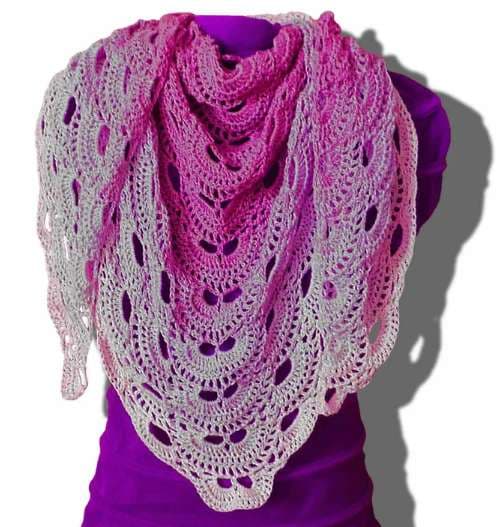
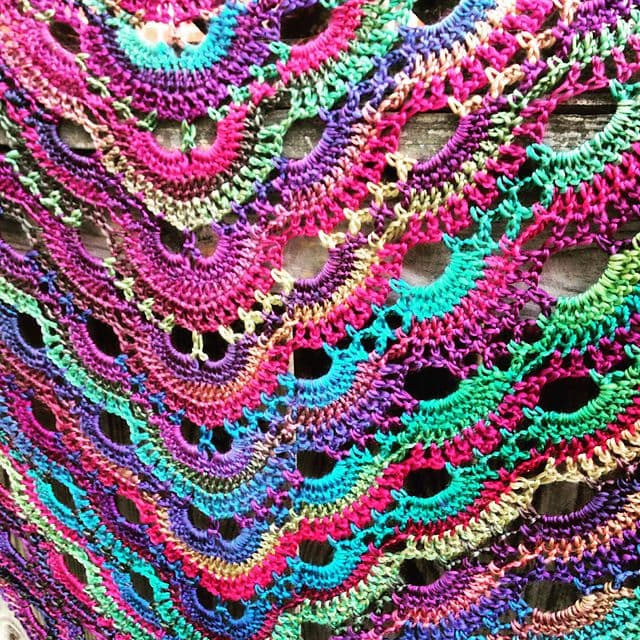
The Virus Shawl is one of those patterns that makes you stop and stare before you ever pick up a hook. It has the airy lace look, the scalloped shaping, and the kind of openwork that usually reads as advanced, yet the project’s real charm is that the visual drama outpaces the learning curve. Once the repeat settles into your hands, it turns into a steady, satisfying make instead of a stitch-by-stitch puzzle.
That is the hook here: this is decorative crochet that does not behave like a scare tactic. Julia Marquardt’s design has built a reputation as a famous shawl for a reason, and the appeal is not just the finished drape. It is the way the pattern rewards attention without demanding constant reinvention, which is exactly why it keeps showing up in beginner-friendly crochet conversations.
What makes the pattern more approachable than it looks
The strongest reason the Virus Shawl feels doable is structure. It is worked from the center, so you are not locked into a fixed size on day one. You can keep going until the shawl feels right for your yarn, your shoulders, or your stash, which takes a lot of the pressure off early in the process.
The other piece that makes a difference is how the pattern is presented. The Woolpedia version is a digital PDF that includes written instructions, a crochet chart, and video support, so you are never forced to learn the stitch flow from only one angle. If you read charts easily, you can follow the diagram. If you learn better by watching, the video parts break the motion down. If you want both, the pattern gives you both.
That combination matters because the Virus Shawl is not really about memorizing a complicated pile of stitches. It is about recognizing the repeat, trusting the rhythm, and letting the lace grow in a controlled way. That is a much friendlier path than the look of the finished fabric suggests.
The materials that fit the design
The pattern is listed in light fingering weight, with a 3.5 mm, or E, hook. Ravelry lists the yardage range at 547 to 1094 yards, which converts to about 500 to 1000 metres, and Woolpedia’s listing recommends Woolpedia Colors Virus yarn with a minimum of 500 metres, while 750 to 1000 metres is the safer choice for a larger shawl.
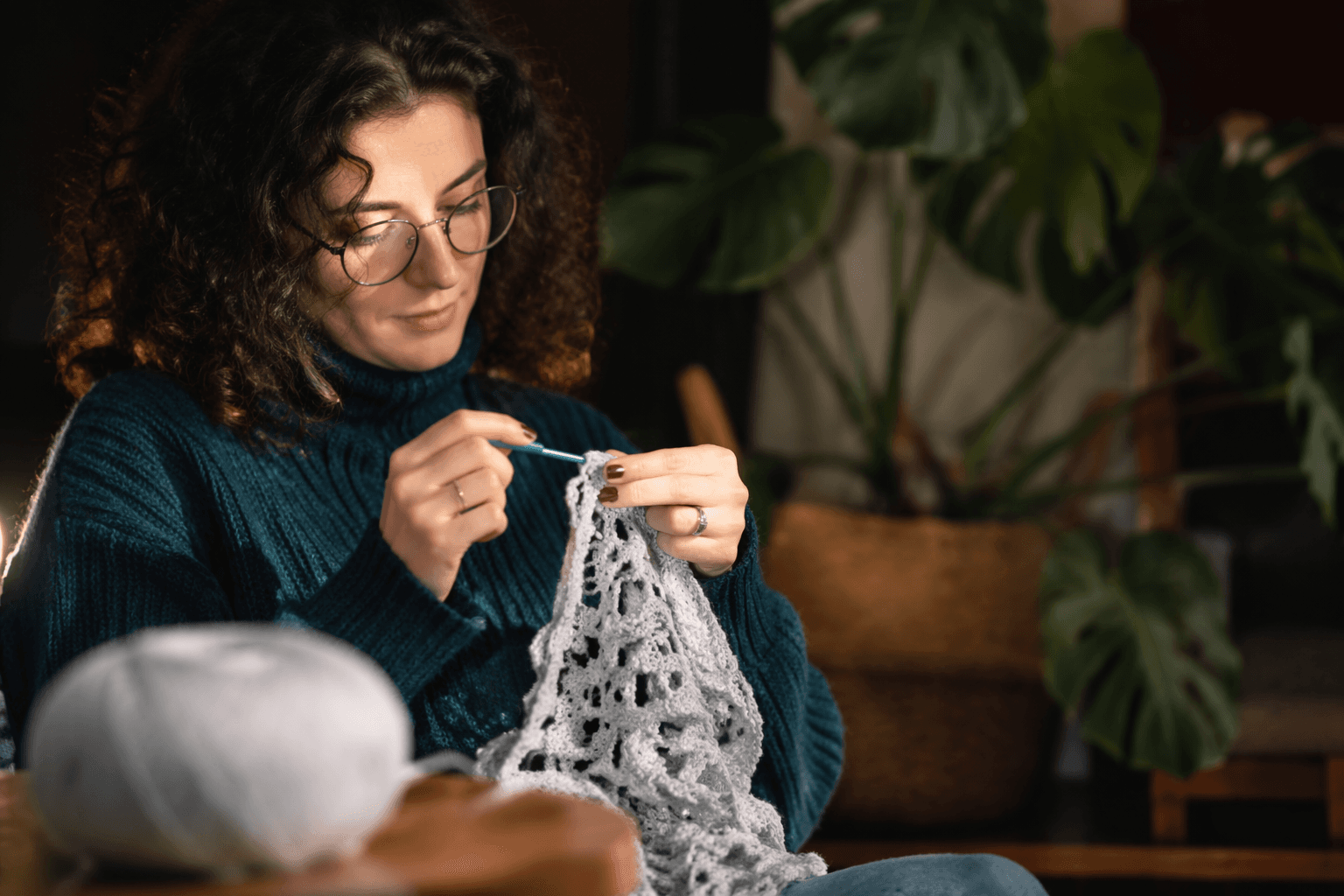
That range tells you a lot about how this project behaves in real life. A smaller shawl can be elegant without eating an entire cake, while a larger version has enough room to show off drape and movement. It also makes the pattern especially appealing for gradient cakes, self-striping skeins, and that one special ball of yarn you have been saving for something that deserves a little stage presence.
- a 3.5 mm hook
- a tapestry needle
- yarn with enough yardage to match the size you want
For finishing, you only need the usual support tools:
The yarn choice does a lot of the visual work here. The repeating shell structure is exactly the kind of fabric that lets color changes, subtle shifts, and long gradients show off instead of getting lost.
The beginner milestones that make it click
If you are new to a shawl like this, the first milestone is simple: getting through the opening section without overthinking it. The pattern is not trying to ambush you with unusual construction. It is asking you to learn a repeat, then trust that repeat long enough for the fabric to open up.
The next milestone is when the chart stops looking like a wall of symbols and starts looking like a map. That is usually the moment the project stops feeling decorative-only and starts feeling practical. Once the repeat is familiar, the stitch rhythm takes over, and that is when the shawl becomes the kind of project you can work on while keeping your brain half occupied.
A good way to think about the learning curve is this: 1. Settle into the center-out construction. 2. Watch the repeat appear in the chart and written instructions. 3. Use the video support to confirm the stitch flow. 4. Keep going until the scalloped texture becomes predictable.
That is the point where the shawl shifts from intimidating to meditative. You are not fighting the design anymore. You are following it.
Why the video support is such a big deal
The video backing is one of the smartest parts of this pattern package. Woolpedia’s product page includes five right-handed video parts and five left-handed video parts, and that is not a throwaway bonus. Left-handed crochet tutorials are still not common enough, so having a full left-handed version changes the experience for a whole group of makers who are often left to reverse-engineer instructions on the fly.
The pattern is also offered in English and German, which broadens its reach without changing the fact that the real teaching strength comes from its multiple formats. Black Sheep Wools specifically points out that the chart is downloadable and that helpful videos are available for both left-handed and right-handed crocheters. The Crochet Crowd also describes the Virus Shawl as a famous pattern by Julia Marquardt and directs readers toward the free pattern and diagram on her Ravelry page, which helps explain why this design has such staying power in crochet circles.
That layered support is the difference between a pattern that merely looks accessible and one that actually helps you get there. If you like learning visually, this is the kind of shawl that meets you where you are.
The sweet spot this shawl lands in
The Virus Shawl earns its reputation because it sits in a very useful middle ground. It is decorative enough to feel special, but structured enough that a crocheter moving beyond granny squares can genuinely make progress without getting lost. It also has enough clarity in its chart-and-video setup to reward repeat practice, which is why it still gets treated as a staple design years after its March 2015 release.
That is the surprise with this pattern. It looks like the sort of lace project you would admire from a distance, then abandon after one confusing evening. In practice, it is much kinder than it first appears. Once the repeat settles in, the Virus Shawl becomes exactly what the best crochet projects should be: rhythmic, readable, and just challenging enough to keep your hands interested.
This article was produced by Prism’s automated news system from verified source data, official records, and press releases, then run through automated quality and moderation checks before publishing. The system is built and supervised by the people who set the standards it runs under. Read our full AI policy.
Know something we missed? Have a correction or additional information?
Submit a Tip