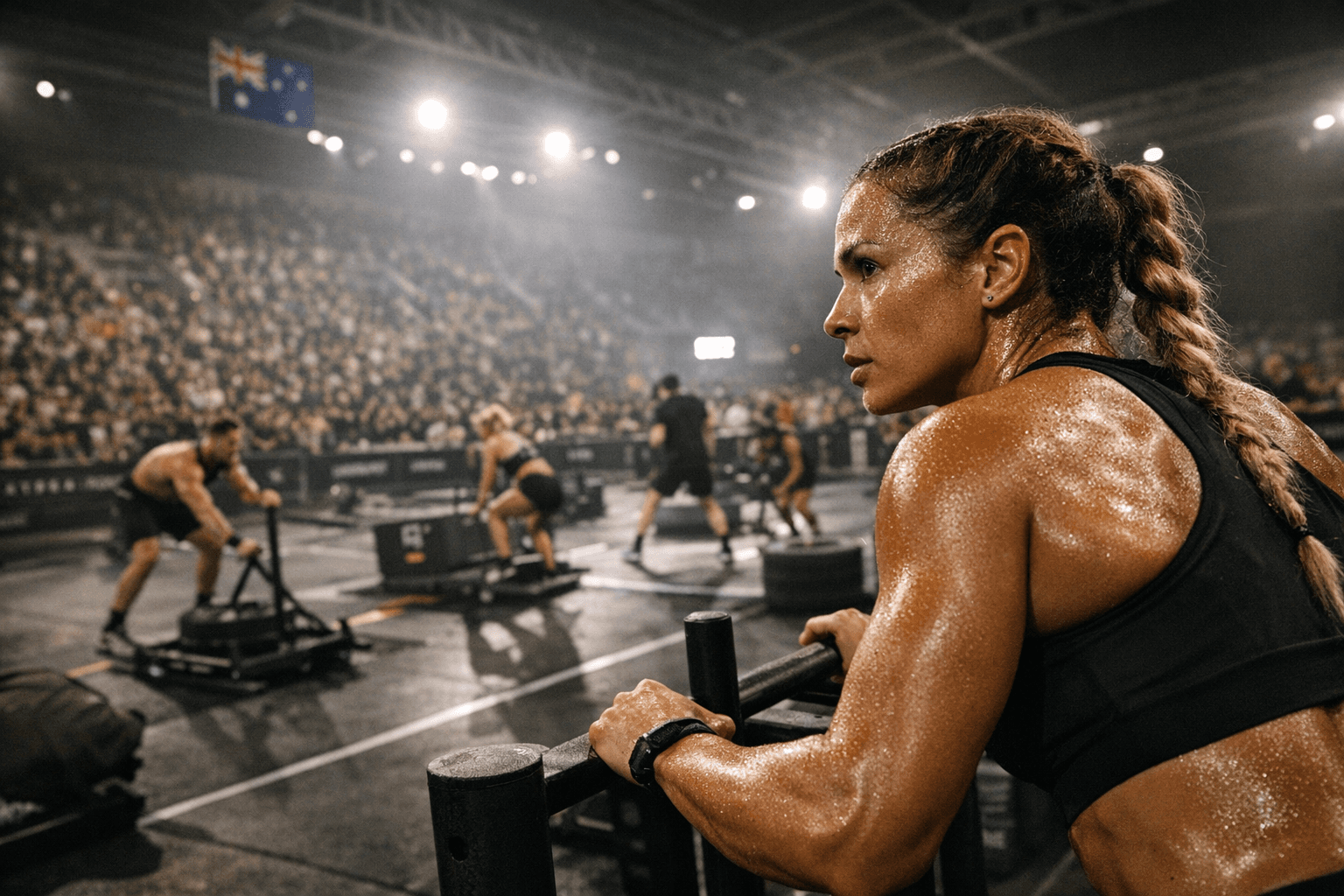
British Doctor Breaks European HYROX Record Hours After A&E Shift
Saskia Millard set a European HYROX record of 57:26 in London hours after an A&E shift, cutting over eight minutes from her debut time in under four months.
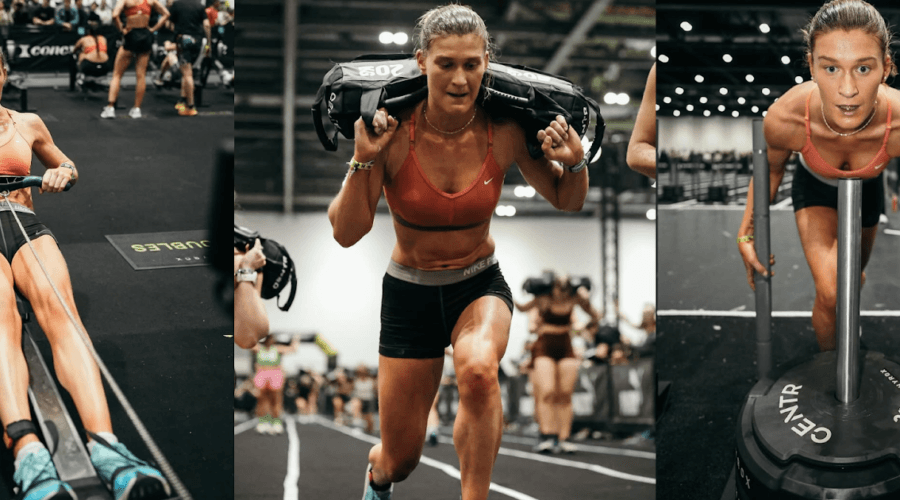
Saskia Millard finished a late shift in an accident and emergency department, laced up her race shoes, and crossed the finish line in 57:26 to become the fastest European in HYROX history. The British doctor and middle-distance runner set the continental record at the 2026 HYROX European Championships in London on April 7, producing the biggest result of her career on a day most athletes would have used as a rest day.
The number that defines the performance is not just 57:26. It is the 8 minutes and 25 seconds she stripped from her Pro division debut of 1:05:51, posted in December 2025. An athlete managing NHS emergency department shifts alongside full-time training preparation cut nearly nine minutes off a competitive HYROX time in a single four-month block. That trajectory reframes what is achievable for part-time competitors working around clinical rosters, night shifts, and irregular sleep.
Millard's approach to the London race also carries its own lesson. She entered with a specific intention: she "wanted to use it as an opportunity to practice the stations," treating a continental championship as a controlled execution environment rather than a time trial. That intensity cap, prioritising quality at each of the eight functional stations over chasing a number, is precisely the strategy that allows athletes without full recovery windows to race smart rather than race spent. When the finish line came, the outcome overshot every benchmark she had set for herself. She called it the "biggest pinch me moment of my life."
Her aerobic base did the structural work. Years of middle-distance running gave Millard a sustainable pace between stations that most HYROX competitors spend months developing from scratch. Targeted station practice closed the efficiency gaps. She had also accumulated race-specific sharpness through a doubles format alongside Holly Archer, building transition rhythm and station-to-station pacing without the full recovery cost of repeated solo all-out efforts.
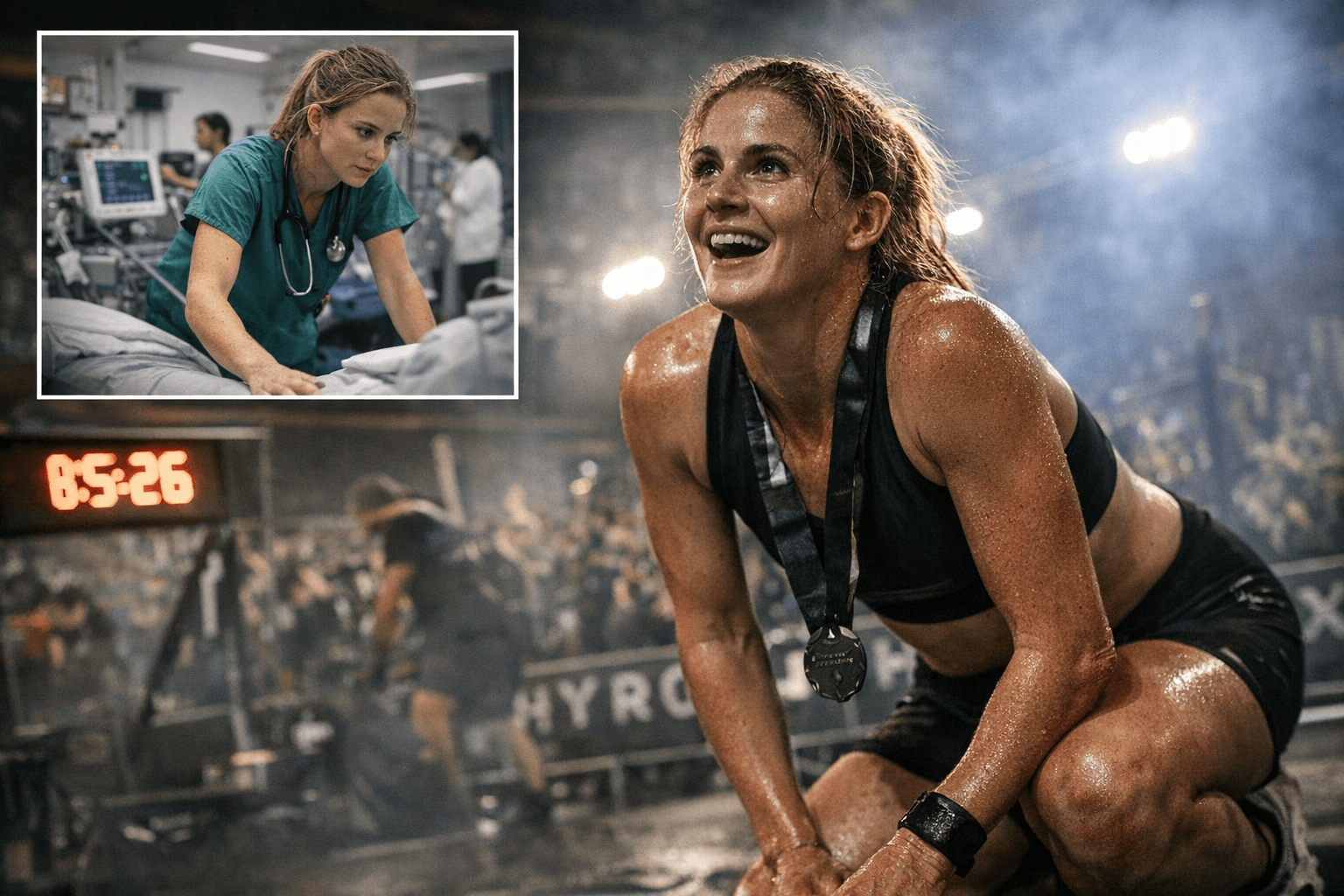
The competitive ceiling revealed itself in what came just after the record. Despite setting the European mark, Millard narrowly missed Elite 15 solo qualification for another event window. A continental record that would have seemed untouchable four months ago now sits just outside the cut line for the sport's most selective tier, a measure of how quickly the women's Pro field is compressing at the top.
For CrossFitters who train around hospital rotations or irregular shift patterns, Millard's arc is more transferable than any professional's schedule. The aerobic base absorbs the disruption. Treating early races as station-practice sessions, not outcome events, builds the efficiency that eventually produces the times. The record, in Millard's case, arrived as a by-product of that process rather than its explicit target.
Know something we missed? Have a correction or additional information?
Submit a Tip