CrossFit Says Aging Doesnt Mean Slowing Down, Functional Fitness Still Matters
Older athletes are not the exception in CrossFit. With 73-year-olds, top-25% cutlines, and scaled coaching, the sport treats age as a category, not a stop sign.
The leaderboard already tells the story
CrossFit’s clearest rebuttal to the “masters = decline” myth is not a slogan, it is the field itself. The 2025 Age-Group CrossFit Games included athletes from 14 to 73, and CrossFit’s season structure now sends the top 25% of age-group athletes from the Open to Quarterfinals. That is not the language of retreat. It is the language of competition, where older athletes still have a real path forward and real standards to hit.
The scale of the masters field matters too. CrossFit said 440 masters athletes would compete at the 2024 Masters CrossFit Games, a number that makes one thing obvious: aging has become a performance category inside the sport, not a reason to leave it. When a 70+ division was trialed in 2024 and the masters ladder stretches from 35-39 through 60+, CrossFit is making a practical argument with programming, not just a philosophical one.
What actually changes after 40
The biggest change after 40 is not that fitness stops working. It is that recovery, coaching, and precision matter more. CrossFit’s message in “You’re Not Slowing Down. You’re Just Getting Started.” is that decline is not a fixed script, and that functional movement, scaled thoughtfully and coached well, can help protect independence and even reverse some of the effects people assume are inevitable.
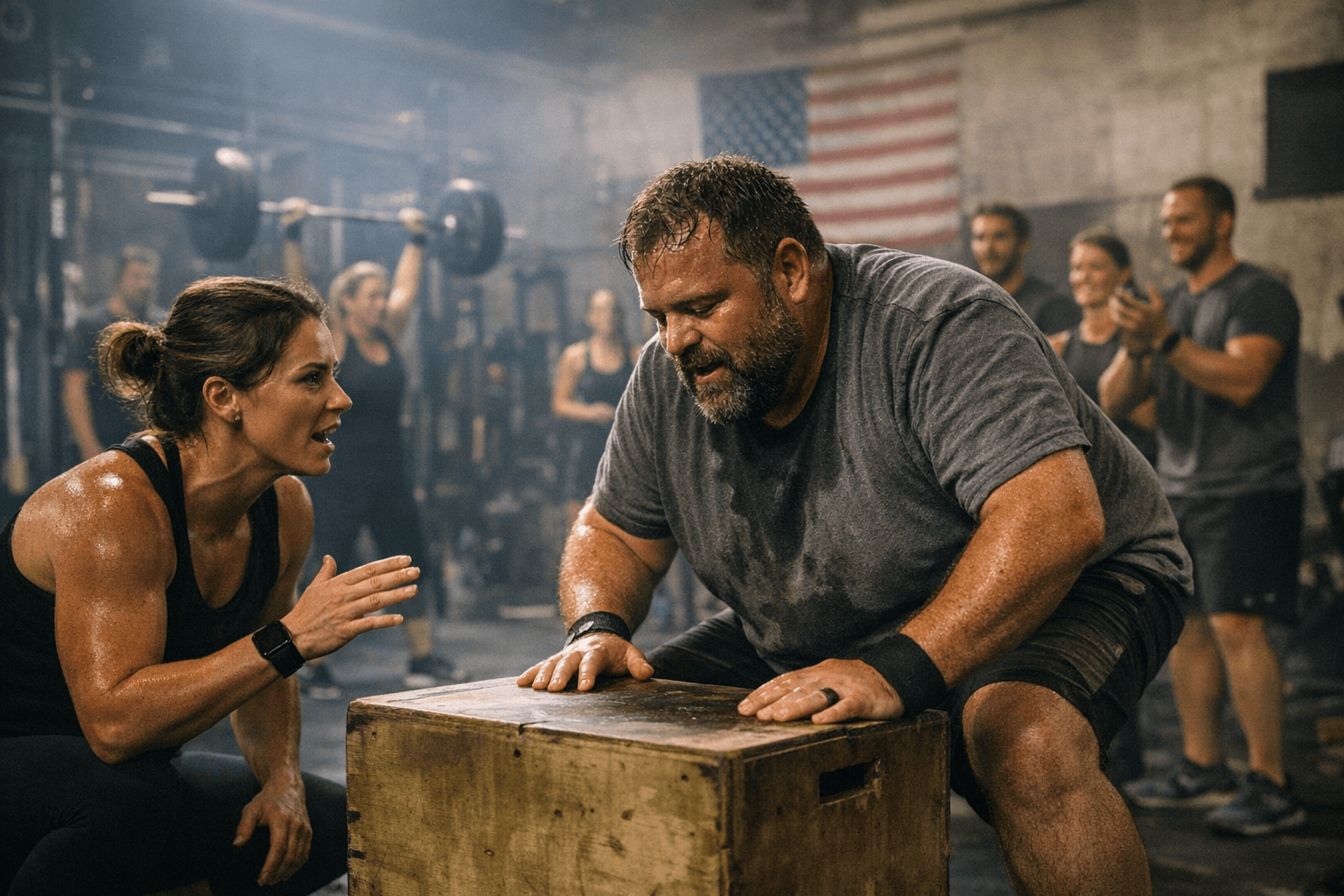
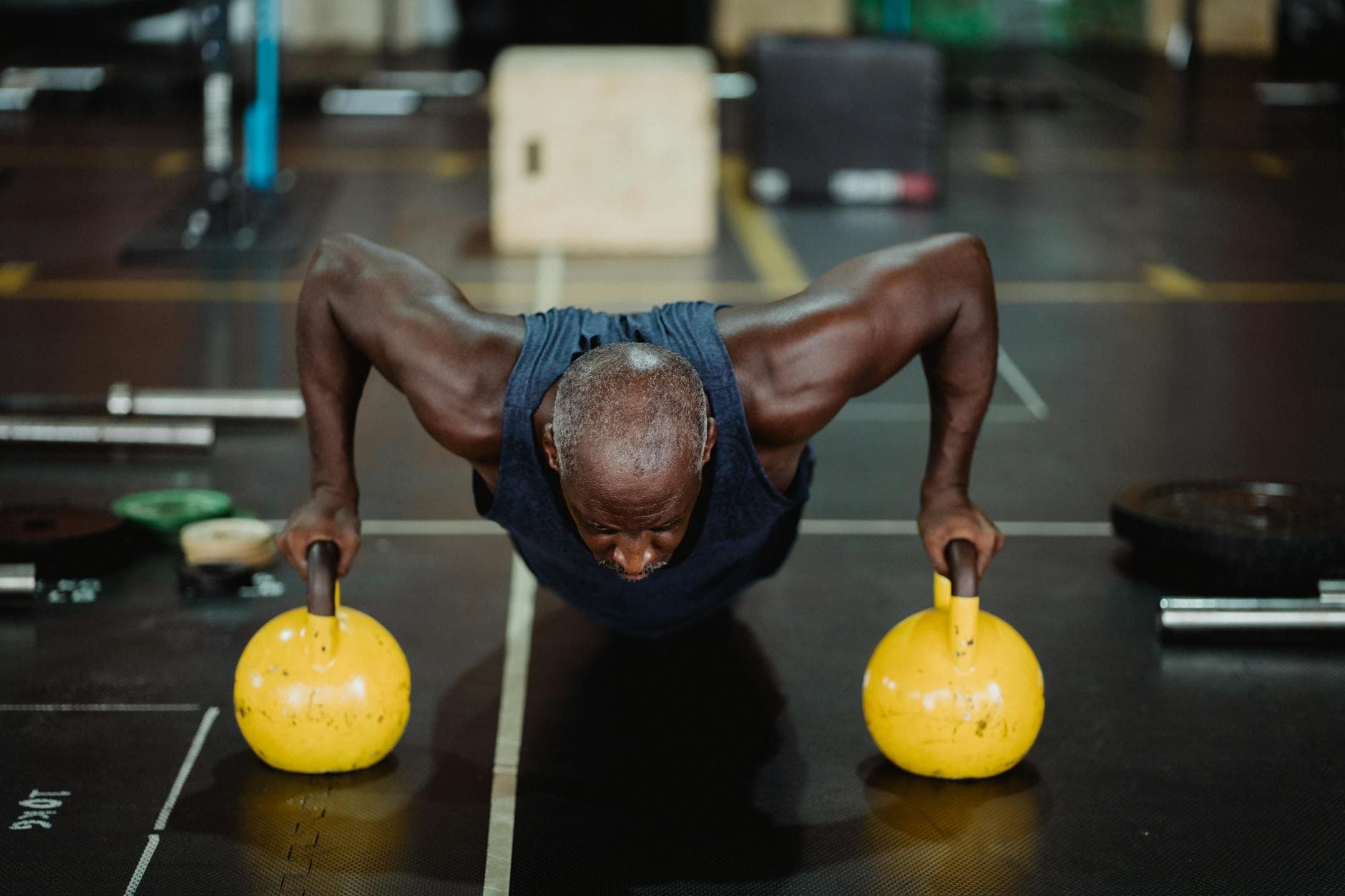
That shows up in the movement examples CrossFit uses. A deadlift is not just gym theater, it is a rehearsal for safely picking up something heavy from the floor. A squat mirrors sitting down and standing back up. A push-up or burpee becomes a meaningful life skill if someone ends up on the ground. Farmers carries translate almost directly into groceries, luggage, or the awkward household load that always seems heavier than it should. The point is not that every athlete over 40 should train like a Games contender. The point is that the work still maps to real life.
What does not change
The method stays the same. CrossFit still defines itself as “constantly varied functional movements executed at high intensity,” and that formula does not disappear with age. What changes is the dose. The movement standards, the intent, and the need for measurable work remain intact, but the loading, volume, and pacing can be adapted so the athlete keeps training instead of collecting injuries and excuses.
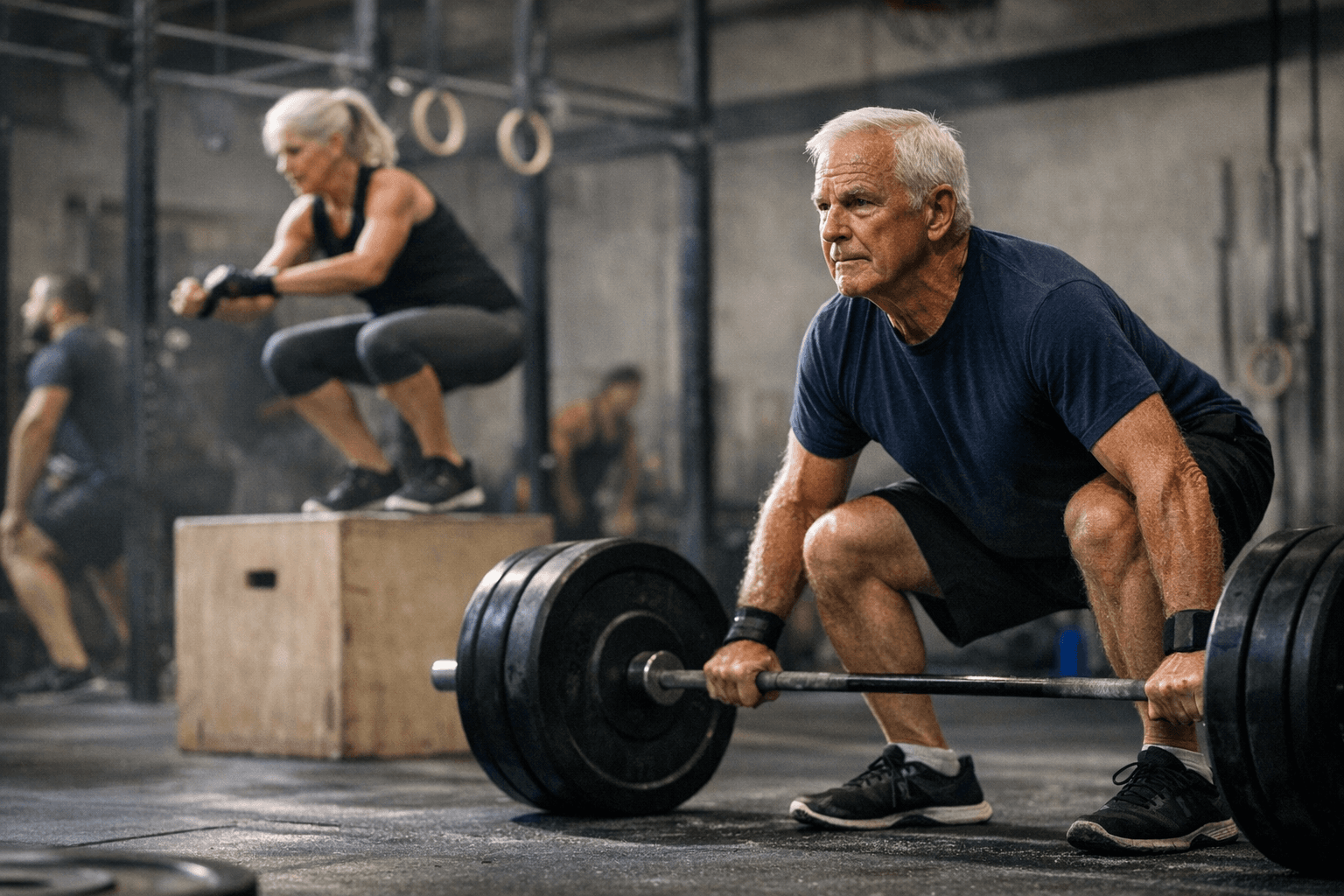
That distinction is at the heart of CrossFit’s own older-athlete guidance. The company has built an online Coaching the Aging Athlete course for trainers working with adults over 40, and its materials say appropriately scaled CrossFit can be effective for older athletes and active aging. In other words, the solution is not to back off into irrelevance. It is to coach better, scale smarter, and keep the stimulus honest.
Why this fits the health evidence
CrossFit’s argument lines up with mainstream public health advice. The Centers for Disease Control and Prevention says adults 65 and older should get at least 150 minutes of moderate-intensity aerobic activity each week, plus muscle-strengthening and balance work. The World Health Organization also emphasizes multicomponent activity with balance and strength training for older adults, specifically to help prevent falls.
That matters because the old story about aging fitness usually reduces everything to “stay active” in the vaguest possible way. CrossFit is pushing a sharper idea: the body needs varied, loaded, functional work, not just motion for motion’s sake. The everyday payoff is obvious. If squatting, hinging, carrying, pushing, and pulling remain part of training, then the gym is not just preserving fitness. It is preserving the ability to live independently.
Why the affiliate model matters
This is where coaching quality becomes more than a nice-to-have. CrossFit’s masters materials and older-athlete courses suggest that the right environment is what makes the methodology sustainable long term. That is especially true for athletes in their 40s, 50s, 60s, and beyond, where good coaching can keep intensity productive instead of reckless.
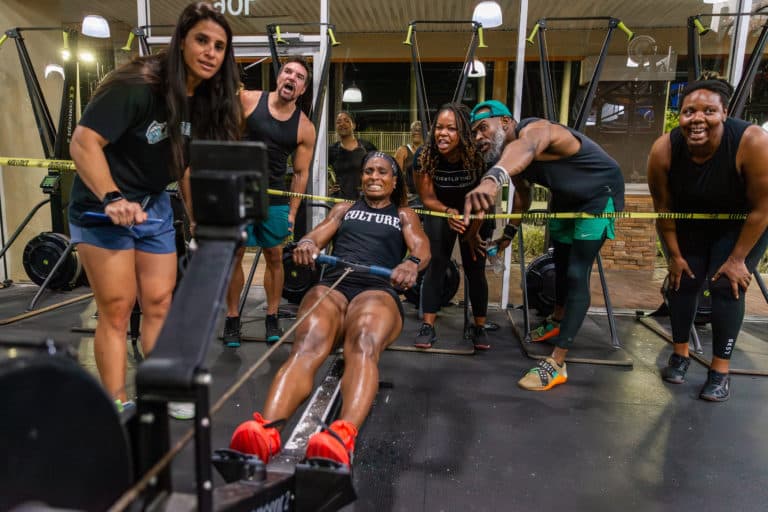
The affiliate model matters because it creates a place where scaling is not a sign of falling behind. It is the mechanism that keeps the athlete in the room. A well-run class can adjust load, range of motion, rep scheme, and movement choice without stripping out the challenge that makes CrossFit valuable in the first place. For older athletes, that balance is the difference between training that lasts and training that burns out.
How to think about expectations in your own training
The practical takeaway for everyday CrossFitters is simple: expect different inputs, not a different identity. After 40, the goal is still to build capacity, but with more attention to recovery, movement quality, and repeatability. That means the benchmark is not whether you can hang with the youngest athlete in the room every day. It is whether you can keep showing up, keep moving well, and keep your engine and strength online for years.
- Keep training the same movement patterns: squat, hinge, push, pull, carry.
- Scale to preserve stimulus, not to escape effort.
- Treat recovery as part of the program, not an afterthought.
- Measure progress by consistency, capability, and longevity, not just by one aggressive session.
A useful way to frame it is this:
That is also why CrossFit’s age-group structure matters beyond competition. The existence of masters divisions from 35-39 through 60+, plus the trialed 70+ group, sends a cultural message that many gym-goers need to hear: age changes the challenge, not the right to train hard. The sport has already built the brackets, the cutlines, and the programming logic to prove it.
The bottom line
The myth says masters is where performance fades. CrossFit’s own structure says something different. With 440 masters athletes on the floor, a field that stretches into the 70s, and a season where the top 25% still move on, age is being treated as a competitive lane, not an ending. For the everyday athlete, that should change expectations in the best possible way: train with purpose, recover with intention, and keep the movements that make life easier outside the gym.
Know something we missed? Have a correction or additional information?
Submit a Tip