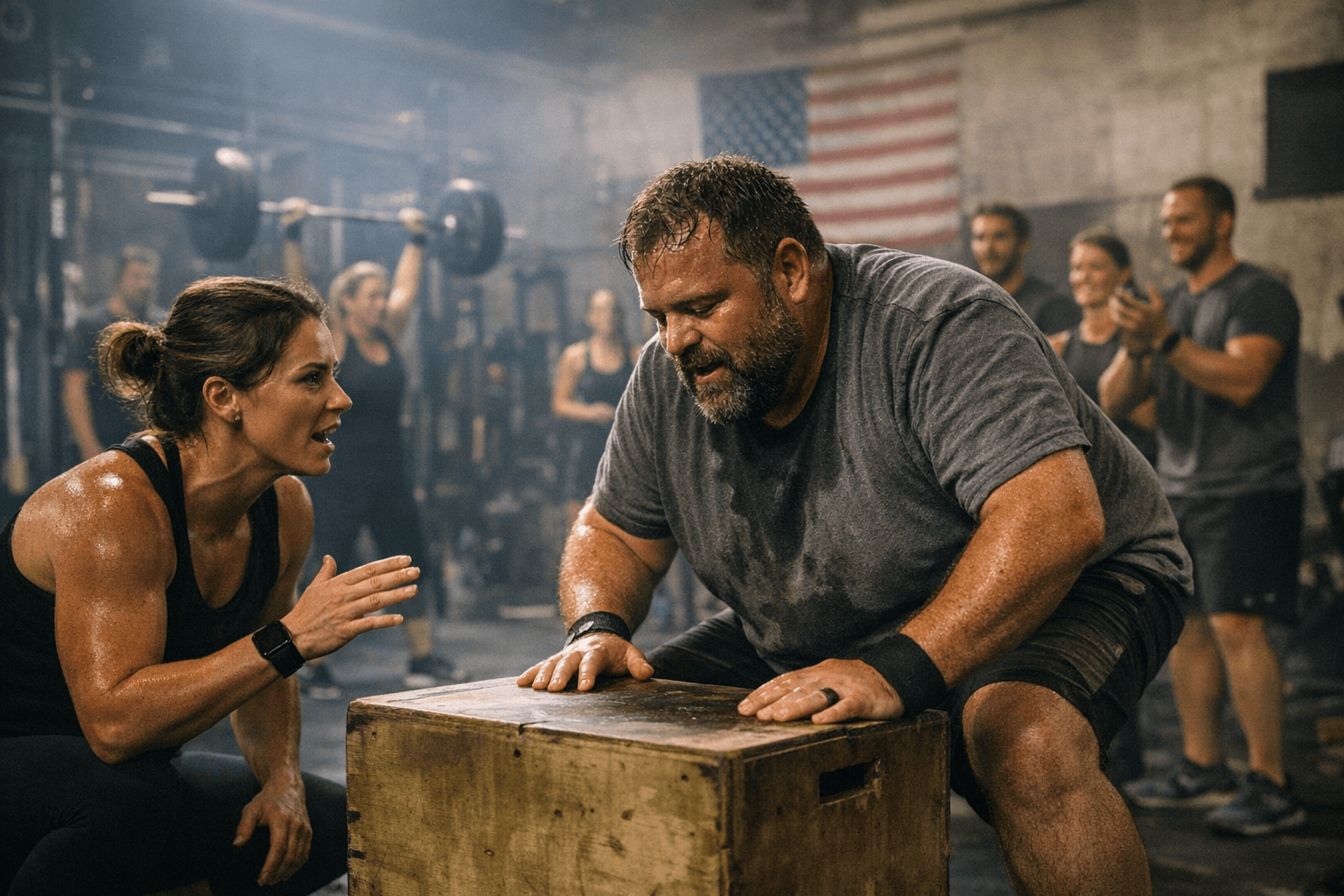
CrossFit Says General Fitness, Not Sport Mimicry, Builds Better Athletes
CrossFit’s answer is blunt: build the engine first, then let the sport get specific. For parents and coaches, that means less mimicry and more durable, transferable fitness.
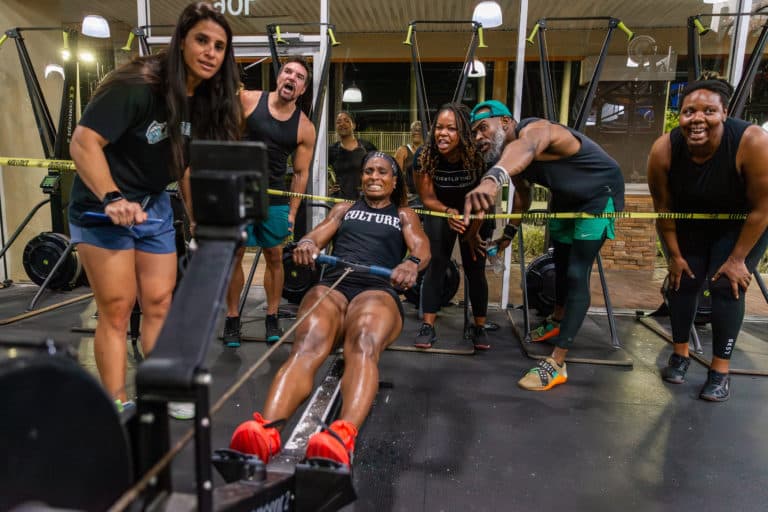
Why CrossFit draws a line between mimicry and preparation
The temptation in youth sports is easy to understand: if the game asks for a sprint, a cut, a swing, or a throw, the workout should look exactly like that movement. CrossFit’s argument is that this kind of sport mimicry is often the wrong place to start. The gym is not where sport-specific training happens, CrossFit says. The sport itself is where the details get sharpened, while training outside the sport should build the larger engine that lets an athlete handle whatever the game demands.
That is the core of CrossFit’s April 15 article, which frames training as a question of transfer. Rather than chasing narrow optimization through repetitive drills that resemble game day, CrossFit pushes broad physical preparedness: strength, stamina, power, and movement quality that carry across sports. For a parent or coach, that changes the question from “Does this workout look like the game?” to “Does this build the athlete who can survive and adapt in the game?”
The 10 skills behind the CrossFit case
CrossFit’s own definition of fitness rests on 10 general physical skills: cardiovascular and respiratory endurance, stamina, strength, flexibility, power, speed, coordination, agility, balance, and accuracy. That list matters because it shows why the brand keeps returning to general physical preparedness instead of sport imitation. If an athlete improves across those 10 qualities, CrossFit argues, the benefits can transfer into almost any sport, even if the exact movement pattern does not match a drill from practice.
That idea is not new to the company. In its 2002 “What Is Fitness?” article, Greg Glassman described CrossFit as “a core strength-and-conditioning program” built to elicit broad adaptation. The point was never to make the gym a duplicate of the field, court, pool, or mat. The point was to create a body that can express more capacity when the real sport shows up.
Why the youth specialization problem makes this debate sharper
The CrossFit position lands in the middle of a bigger youth sports conversation. The American Academy of Pediatrics says youth sports culture has shifted over the last four decades toward early specialization, year-round participation, and more pressure from coaches and parents to stay locked into one sport. That shift has been linked to overuse injuries, overtraining, and burnout, especially when athletes repeat the same stresses without enough recovery.
A newer AAP clinical report, published January 22, 2024, makes the risk feel even more concrete. It says overuse injuries can result from repetitive stress without sufficient recovery, and it identifies burnout as one of the main reasons youth athletes quit. The same report says more than 60 million children and adolescents in the United States participate in organized sports, yet 70% stop by age 13. Those numbers explain why a broad, resilient base of fitness has become more than a training philosophy. For many families, it is a retention strategy as much as a performance one.
Research summarized in the literature points the same way: sports specialization is associated with a higher risk of injury and serious overuse injury in young athletes. That is exactly where CrossFit’s GPP message finds an audience. If a child is already spending months or years under the same movement loads, a training program that expands capacity instead of narrowing it can look less like a detour and more like insurance.
What CrossFit Kids is trying to build
CrossFit has been making this case with youth-specific programming for a long time. CrossFit Kids was created in late 2003, and the company says it now operates in thousands of affiliates and more than 400 schools worldwide. The principle is the same as the adult model: constantly varied functional movements executed at high intensity relative to the individual. The difference is that kids spend much longer in lower-intensity development before intensity is pressed.
That matters because it reframes youth fitness as skillful preparation, not miniaturized adult competition. CrossFit also offers the Kids Certificate Course as a live webinar for ages 3 through 17, priced at $500, aimed at affiliate owners, teachers, coaches, and parents. The structure tells you a lot about how CrossFit sees the issue. This is not just a workout template. It is an education model built to help adults understand how children can develop movement competence, confidence, and a lasting relationship with fitness.
What actually transfers, and what still belongs to the sport
The strongest version of the CrossFit argument is not that sport-specific practice is useless. It is that sport practice works better when the athlete arrives with a wider base. Strength helps when contact gets messy. Stamina helps when the tempo rises late. Power and speed matter when separation appears in a small window. Coordination, agility, balance, and accuracy help a body stay organized when fatigue starts to blur technique.
Still, the sport itself has to take over eventually. CrossFit’s own framing is clear on that point: the gym is not the place where sport-specific training lives. That means a basketball player still needs basketball, a swimmer still needs swimming, and a soccer player still needs the tactical and technical repetitions that only the sport can provide. General physical preparedness is the platform, not the finish line.
Why the CrossFit origin story matters here
CrossFit’s competition history reinforces the same philosophy. The CrossFit Games began in 2007 in Aromas, California, as the brand’s first attempt to objectively measure fitness. The events were unannounced and varied, not a specialist format with one predictable test after another. That origin is important because it shows how deeply the brand connects fitness with adaptability. The question was never, “Can you perform one thing perfectly?” It was, “Can you handle the unknown?”
That is also why the broader public-health angle matters. The Centers for Disease Control and Prevention recommends that school-aged children and adolescents get at least 60 minutes or more of moderate-to-vigorous physical activity every day. CrossFit’s best use in sport training is not as a copy of the game, but as a way to help young athletes move more, move better, and build a base that can survive the demands of competition.
For parents and coaches trying to decide whether CrossFit helps or hurts sport performance, the answer is increasingly clear. It helps most when it is used the way CrossFit says it should be used: to build general fitness first, then let the sport itself provide the specific artistry, timing, and decision-making that no gym can fake.
Know something we missed? Have a correction or additional information?
Submit a Tip