CrossFit stars train with Air National Guard in Alaska service visit
Jayson Hopper, Justin Medeiros, Dallin Pepper and James Sprague took CrossFit’s Air National Guard tie-up into Alaska, turning a sponsor story into a service-first brand play.
Why the Alaska visit matters
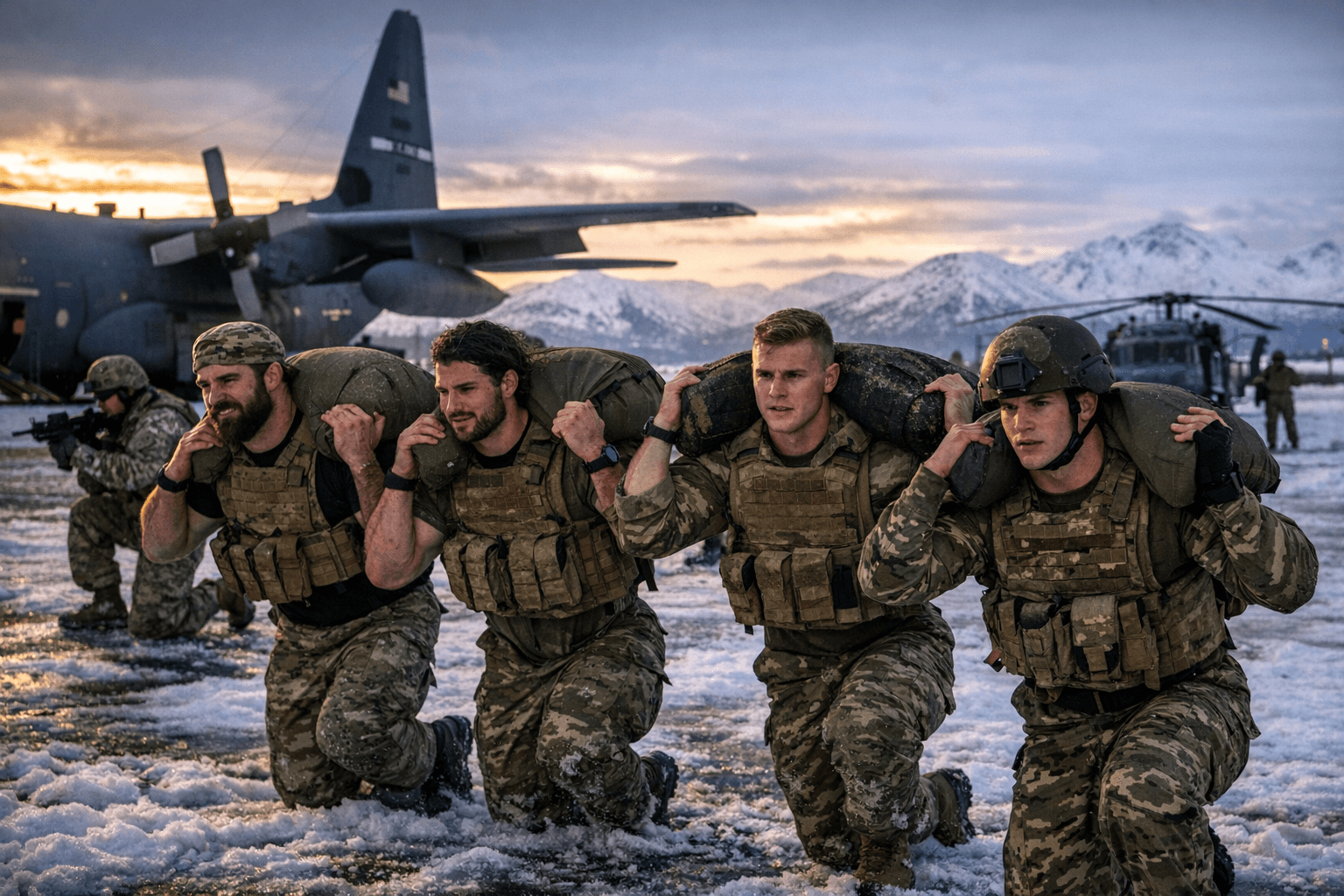
CrossFit did not keep its biggest names inside the gym. It sent Jayson Hopper, Justin Medeiros, Dallin Pepper and James Sprague to Alaska for a hands-on Air National Guard visit that turned athlete visibility into a much broader service story.
The setting changed everything. Instead of a leaderboard update or a workout breakdown, the group stepped into an operational environment built around readiness, recovery and mission support. They were introduced to training that included rucking, standing broad jumps and swim evaluations, then watched a pararescue exercise, toured aircraft and facilities, and joined select physical activities with pararescue specialists.
That choice says a lot about how CrossFit wants to be seen right now. The sport is not just packaging competition season around who wins the Open or who stands on the Games podium. It is also using its most recognizable athletes to show how the brand connects to military service, physical preparedness and the demands of rescue work.
The four athletes at the center of the trip
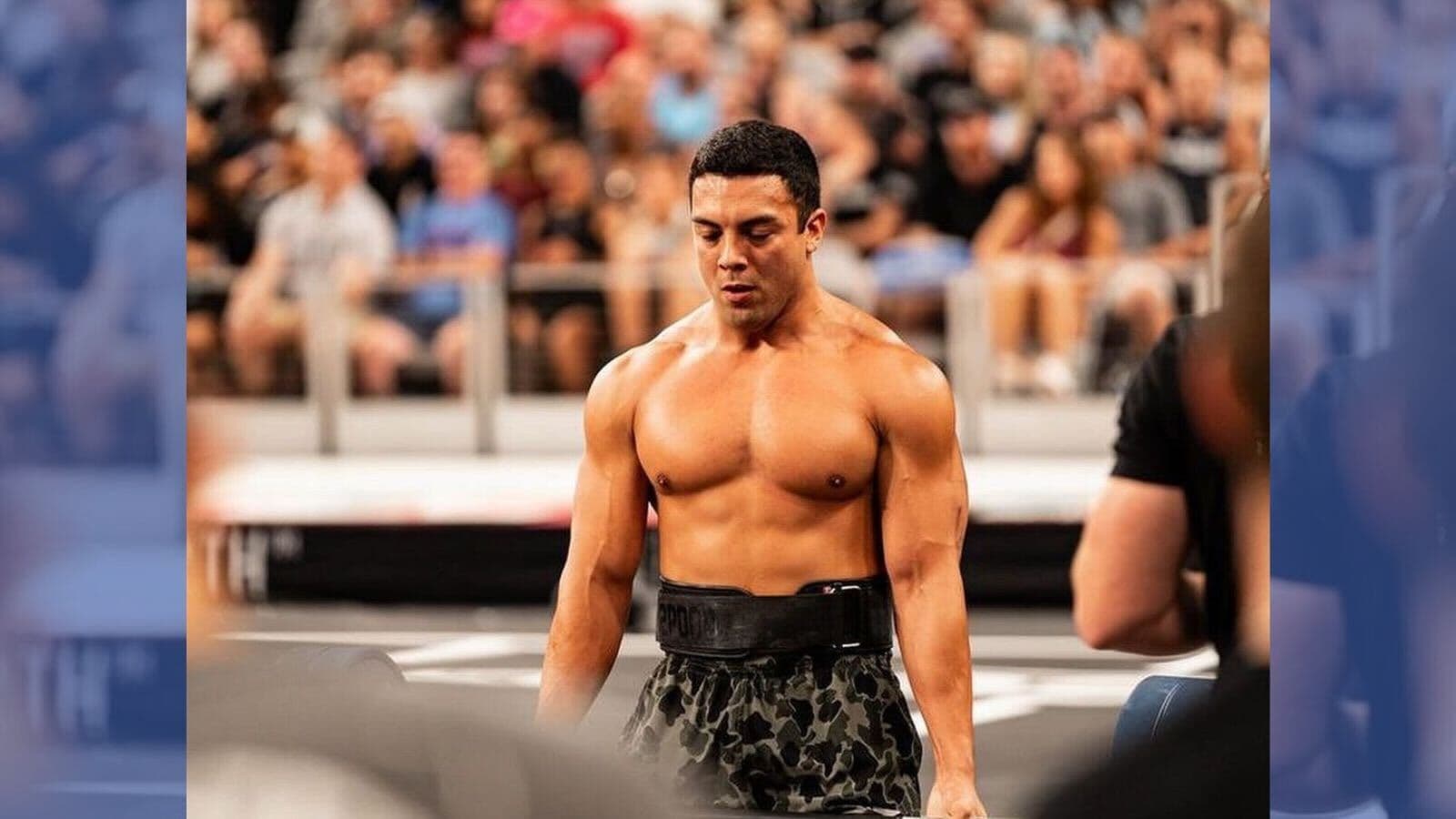
The athlete mix matters as much as the location. Hopper arrives with the status of reigning Fittest Man on Earth, which gives the trip instant weight. Medeiros brings two CrossFit Games titles and one of the sport’s most familiar championship résumés, while Pepper remains one of the most recognizable young stars in the field. Sprague, the 2024 Games champion, adds another major name with current championship relevance.
That lineup makes the Alaska trip more than a casual sponsor appearance. CrossFit put four athletes with real public pull into a setting where their physical abilities were tested against a different kind of standard. The result is a highly visible reminder that these athletes are being used as ambassadors, not just competitors.
For fans, that matters because the sport’s top figures are increasingly part of its public identity beyond the competition floor. Hopper, Medeiros, Pepper and Sprague are not being presented only as open-field rivals or Games hopefuls. They are also being framed as athletes capable of engaging with military training culture, rescue operations and service-oriented branding.
What the athletes actually saw and did
The Alaska visit leaned hard into practical, physical exposure. Rucking, standing broad jumps and swim evaluations gave the athletes a direct taste of readiness work, the kind of training that emphasizes movement under load, explosive power and comfort in the water. Those are not novelty drills in this context. They are tied to the operational realities of Air National Guard work and the physical demands of recovery missions.
The pararescue training exercise added another layer. Watching specialists work, then taking part in select physical activities with them, shifted the trip from observation to participation. That matters because pararescue is not presented here as a ceremonial backdrop. It is the anchor for why CrossFit would send elite competitors into this environment in the first place.
The aircraft and facility tours also fit the message. The athletes were not simply there to pose for photos. They were moving through the infrastructure that supports mission work, which helps explain the larger branding goal: CrossFit wants the partnership to read as credible and operational, not decorative.
How this fits the 2026 CrossFit brand
The Alaska trip lands in the middle of a broader presentation strategy for the 2026 season. CrossFit’s official 26.1 athlete-matchup page already hints at that approach by tying the Open launch to San Jose at Moffett Federal Airfield, home of the 129th Rescue Wing. Four Airmen took on 26.1 right after the elite athlete showcase, putting military and competition imagery in the same frame from the very start of the season.
That sequence is not accidental. The Open launch and the Alaska visit point to a deliberate effort to keep the Air National Guard partnership visible all season, not only at announcement moments. CrossFit is making the relationship part of the sport’s identity, and the athletes are the bridge.
For readers inside the community, the takeaway is simple: this is CrossFit using its stars as more than scorers, qualifiers or Games contenders. It is building a public narrative where elite fitness, service branding and military partnership all sit in the same lane. That keeps the sport in front of people even when there is no live competition floor in play.
What this signals beyond competition season
The most interesting part of the Boys Interrupted trip is not that it was inspirational. It is that it was strategic. Hopper, Medeiros, Pepper and Sprague were placed in a setting that reinforced the idea that CrossFit’s top athletes can stand for more than performance outcomes. They can also represent readiness, duty and a version of athletic identity that travels well outside competition season.
That matters in 2026 because CrossFit is clearly presenting itself as a broader fitness-and-service story. The Air National Guard partnership is not being treated like a side note. It is being kept visible through athlete appearances, military settings and public-facing events that connect the Open to real-world operational culture.
In that sense, the Alaska visit is a brand signal as much as a content piece. CrossFit is showing exactly what it wants its biggest names to mean now: championship-level athletes, yes, but also the face of a partnership built around service, readiness and performance under pressure.
Know something we missed? Have a correction or additional information?
Submit a Tip